What Is Voice Cloning: One Minute of Audio, $112,000 Fine
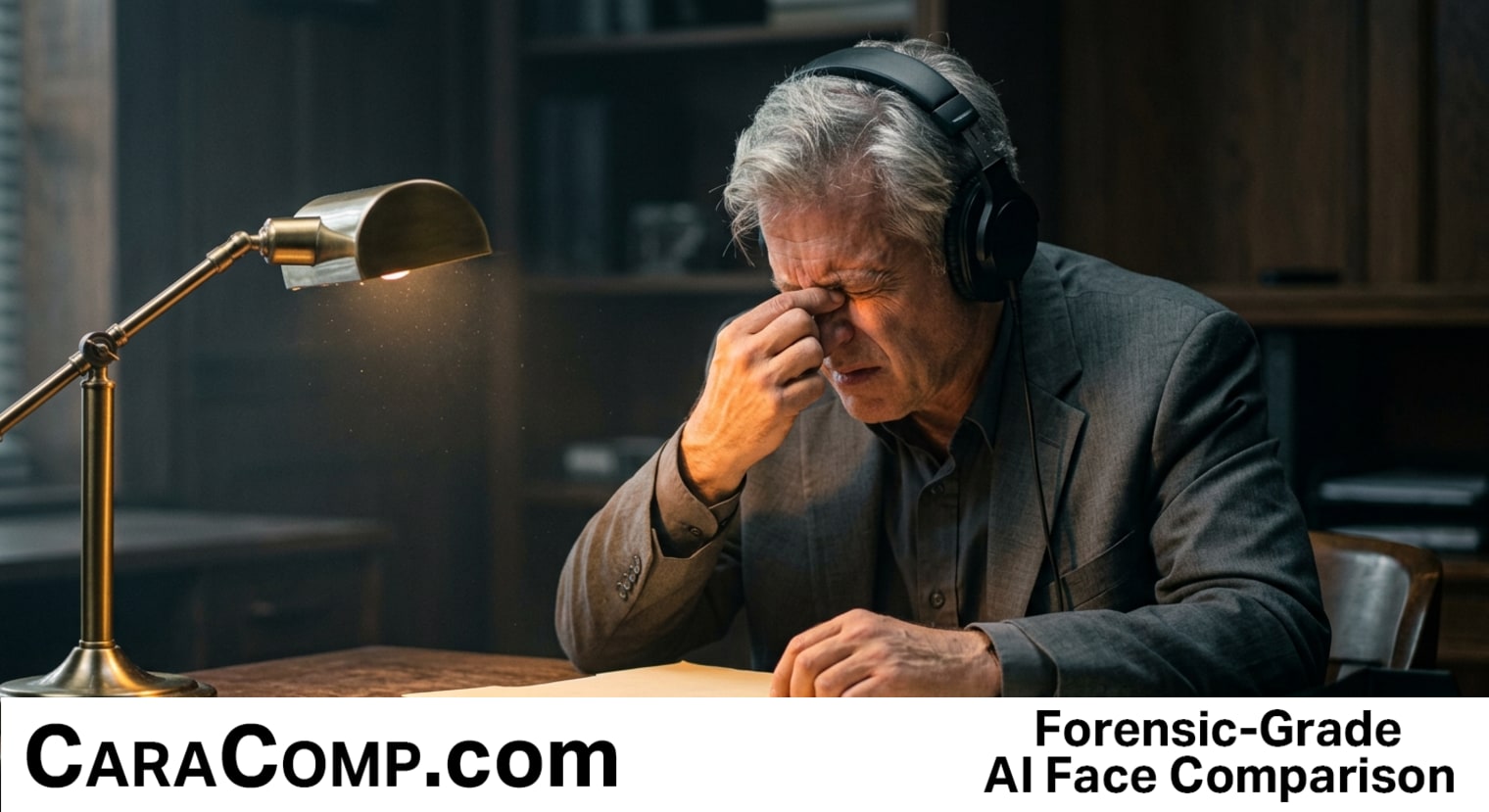
It takes exactly sixty seconds of reference audio to hijack someone's biometric identity, and a Shanghai court just proved that reality carries a definitive $112,000 price tag. When an AI service scraped a single minute of voice samples to clone dozens of distinct voices with forensic accuracy, it exposed an undeniable truth: unverified sensory evidence is dead.
For private investigators, insurance fraud analysts, and OSINT professionals, this landmark ruling extends far beyond gaming assets or copyright disputes. It represents an urgent operational warning about the collapse of traditional authentication. When accessible synthetic tools can mimic nuanced vocal inflections, pitch, and emotional cadence from a brief voicemail or social media clip, standard assumptions about recorded proof crumble. In modern case analysis, a familiar voice is no longer proof of presence—it is merely an unverified data stream.
As generative technology accelerates, this legal outcome underscores several vital implications for the investigative community:
- Auditory evidence is fundamentally compromised: Voice recordings can no longer stand alone as credible proof of identity in fraud or corporate investigations without corroborating visual and biometric verification.
- Biometrics are recognized as legal property: Courts are establishing clear precedent that digital identity markers—whether acoustic voiceprints or precise facial geometry—command enforceable legal protections against unauthorized commercial extraction and impersonation.
- Objective analysis must replace subjective perception: As synthetic deception evolves, investigators cannot rely on gut feeling. Defensible findings require structured, mathematical verification like Euclidean distance analysis to separate authentic subjects from manufactured fakes.
When sixty seconds of audio can withstand forensic scrutiny and trigger six-figure penalties, manual observation is no longer enough to protect your professional reputation. Navigating modern identity deception demands precise, repeatable comparison workflows that stand up in court. The era of trusting what you hear is over; objective verification is the only standard that holds.
Read the full article on CaraComp: What Is Voice Cloning: One Minute of Audio, $112,000 Fine


Comments
Post a Comment