What Is Voice Cloning: 3 Seconds of Audio Fakes a Family Call
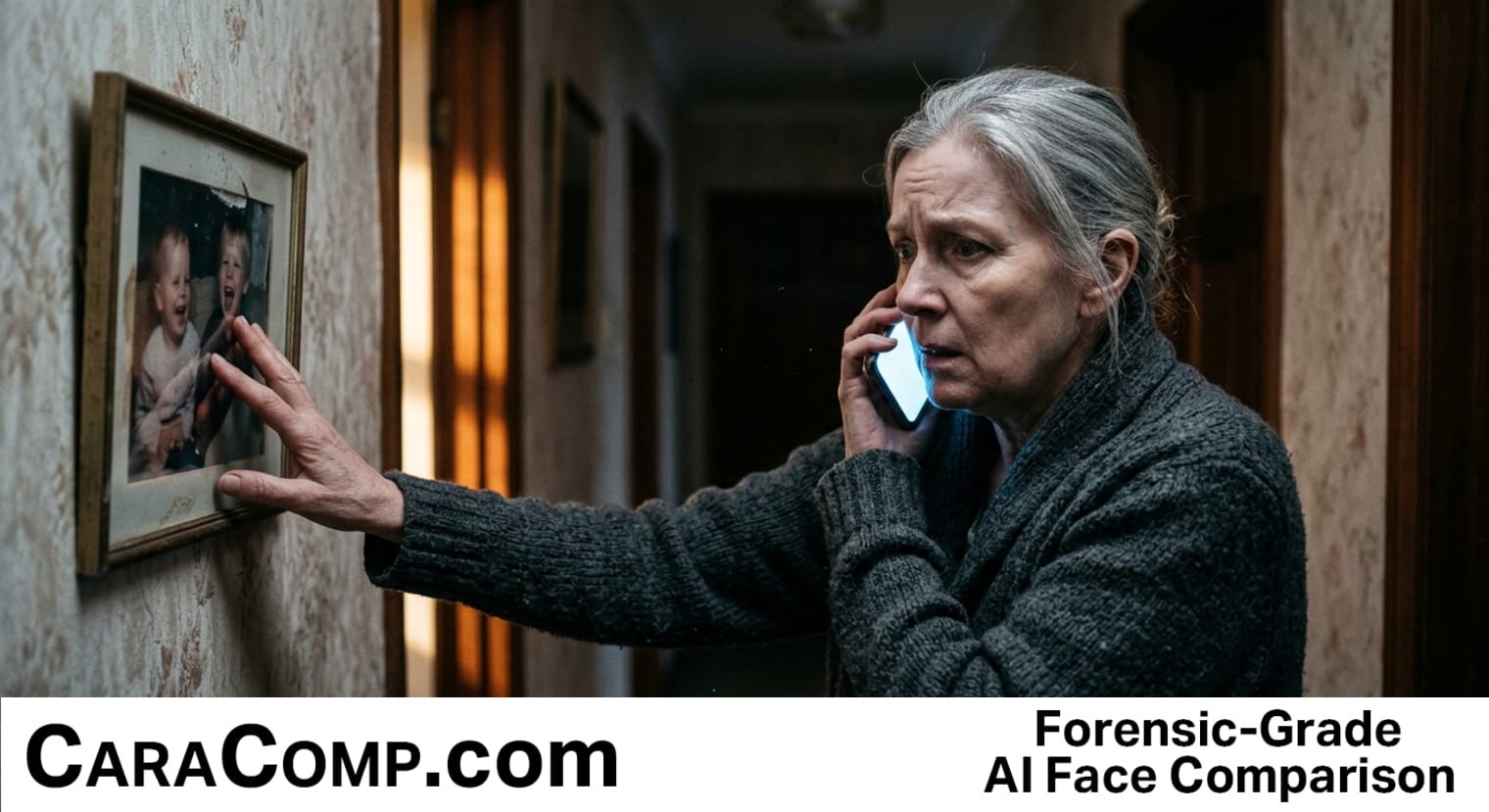
Three seconds of audio scraped from a public video is now all a bad actor needs to fabricate an airtight family emergency or a convincing executive authorization. Criminals have weaponized generative tools, transforming voice cloning from an expensive anomaly into an everyday confidence trick with zero overhead and massive scalability.
For private investigators, OSINT researchers, and insurance fraud analysts, this surge in synthetic media fundamentally changes the rules of evidence verification. Single-stream confirmation is officially obsolete. When caller IDs, email headers, and vocal signatures can all be spoofed simultaneously, relying on instinct or basic human perception leaves critical blind spots in any case analysis. Fraudsters are already beginning to pair cloned audio with manipulated visual media, forcing investigators to confront multi-layered identity deception on a weekly basis.
The core danger is that human cognition naturally relies on familiar shortcuts—we believe what sounds like a loved one or looks like a verified client. To defeat this, professional investigators must transition away from subjective evaluations and anchor their findings in repeatable, objective digital forensics.
Here is what this biometric shift means for active investigations:
- Vocal familiarity is no longer evidence: Audio clips can no longer verify identity on their own. Modern investigations demand cross-channel authentication and structured evidence handling before reaching conclusions.
- Synthetic deception requires mathematical validation: As bad actors combine audio cloning with altered imagery, investigators must rely on objective biometric metrics—such as precise Euclidean distance analysis in facial comparison—to separate real subjects from synthetic artifacts.
- Court-ready standards are non-negotiable: With fabricated digital evidence multiplying, presenting clean, defensible case reports is the only way to ensure findings hold up before judges, clients, and insurance adjusters.
Treating synthetic audio as an isolated phenomenon is a mistake. It is part of a broader shift in digital deception that demands faster, more rigorous investigation technology. Investigators who adapt their verification workflows today will protect both their clients and their professional credibility tomorrow.
Read the full article on CaraComp: What Is Voice Cloning: 3 Seconds of Audio Fakes a Family Call


Comments
Post a Comment