Utah age verification law: VPNs Out, ID Data In
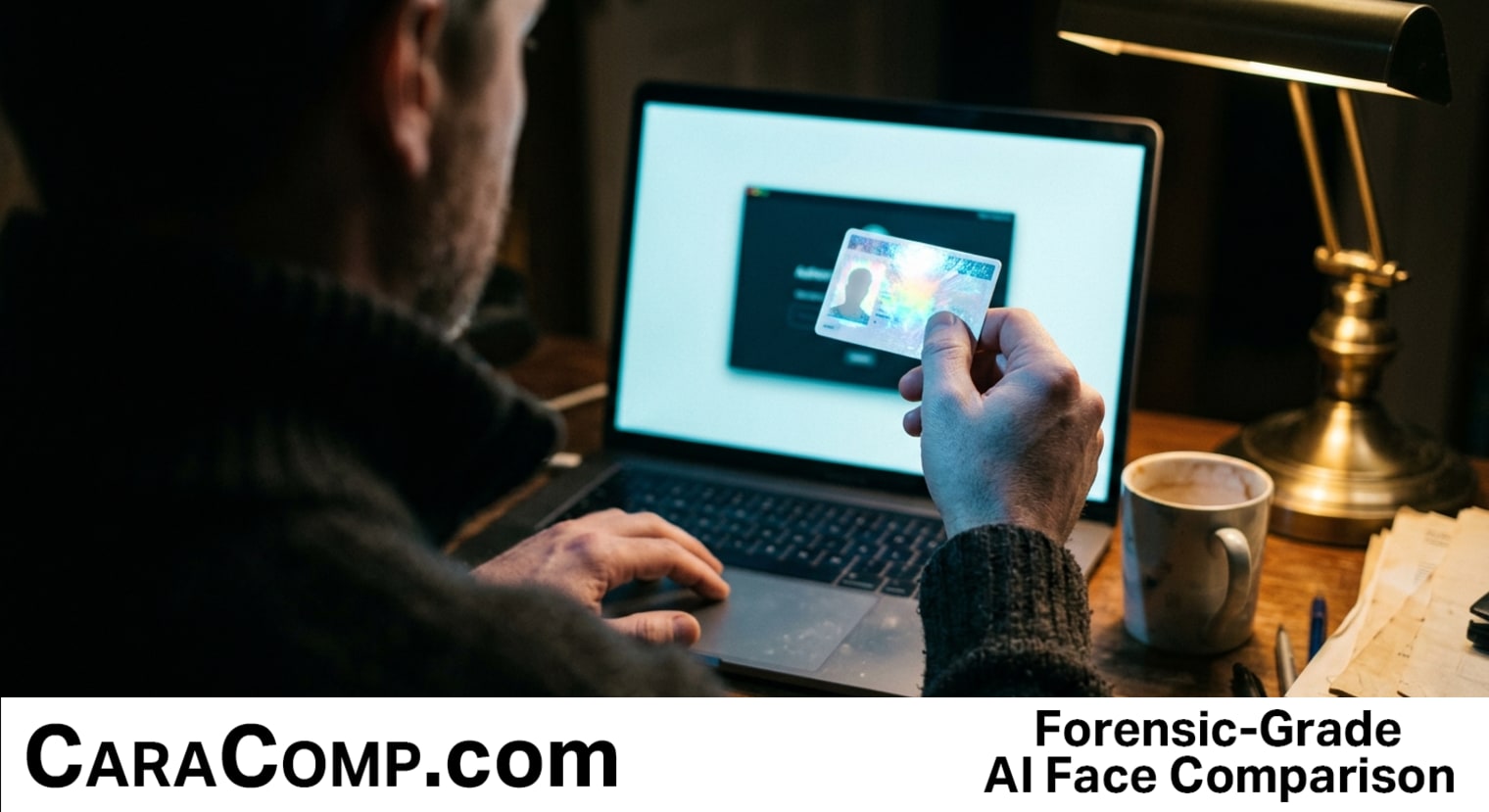
The illusion of digital anonymity just collided with state legislation in Utah, and the fallout is rewriting how identity gets verified across the internet. By holding platforms and app store providers legally liable for users masking their physical location behind a VPN, Utah has effectively declared IP-based verification obsolete. When network masking is removed as a compliance shield, platforms have only one real fallback: demanding direct identity proof, including biometric scans and government credentials.
For private investigators, OSINT analysts, and fraud specialists, this shift is monumental. We are watching the web transition from passive network indicators to mandatory identity validation. When platforms can no longer rely on where an internet connection claims to originate, they require facial verification to confirm who is sitting behind the screen. This fundamentally shifts the landscape of digital evidence and case analysis.
The legislative push carries several critical implications for investigative technology:
- Network proxies no longer shield identity: Bypassing digital gates with simple connection hopping is becoming legally unviable, forcing digital platforms to implement hard biometric checkpoints.
- The urgent demand for objective verification: As identity checks enter legal and regulatory crosshairs, superficial algorithmic estimates will fail under courtroom scrutiny. Professional investigations require mathematically verifiable Euclidean distance analysis rather than consumer-grade guesswork.
- Hardened digital evidence footprints: Moving verification upstream to app stores creates structured identity data that will reshape OSINT workflows, subject identification, and cross-platform case analysis.
The takeaway for serious investigators is clear: as legislative mandates push platforms to trade transient IP addresses for hard facial and identity validation, the tools used to evaluate photographic evidence must meet professional standards. You cannot stake a client's case or your professional reputation on unreliable consumer search engines. Fast, accurate, and court-ready facial comparison is no longer a luxury reserved for multi-million-dollar government agencies—it is the baseline requirement for modern investigation.
Read the full article on CaraComp: Utah age verification law: VPNs Out, ID Data In


Comments
Post a Comment