Synthetic Identity Fraud: Fake Mahama Video Sold Crypto Scam
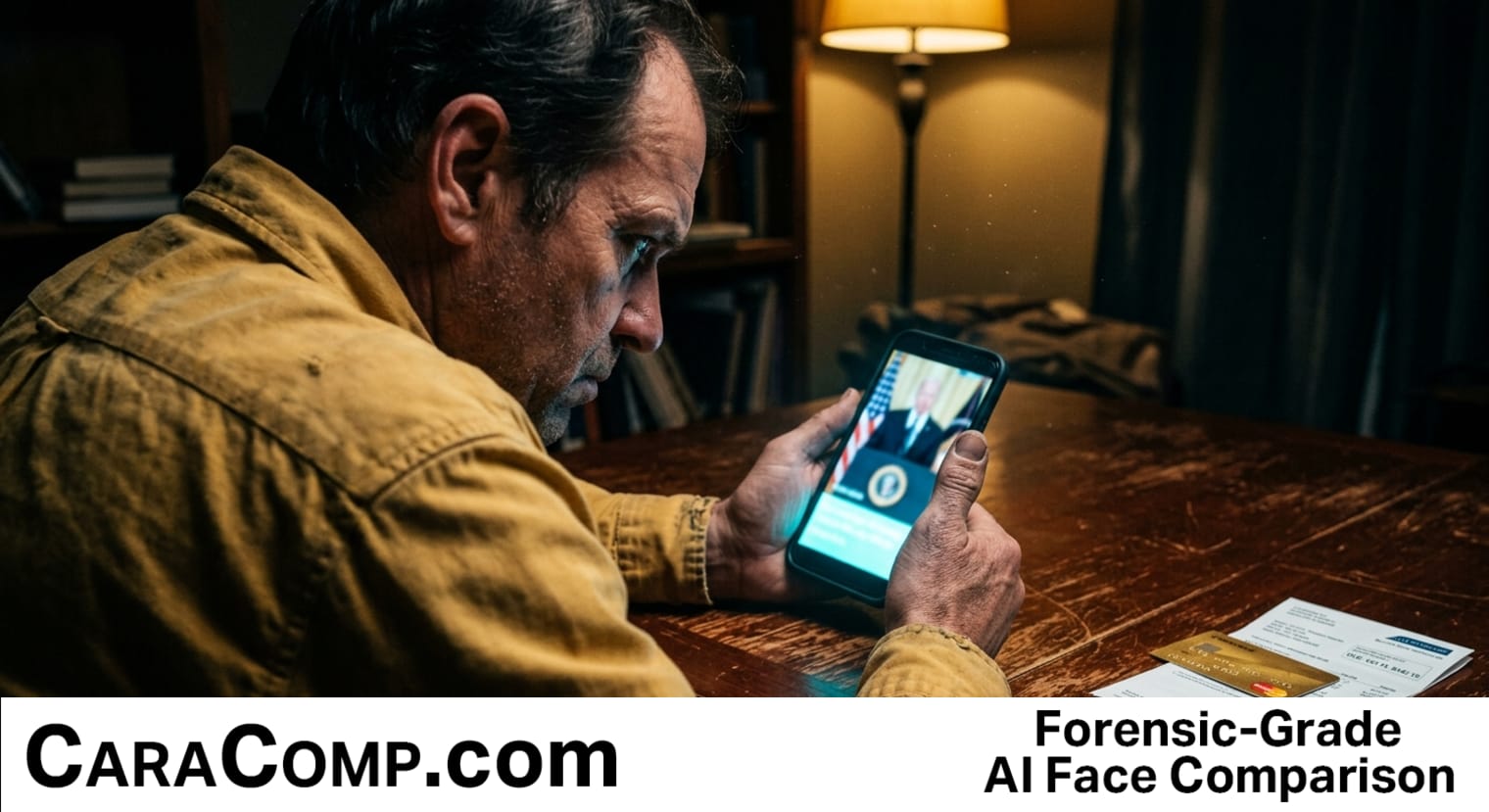
When scammers can hijack the face of a sitting head of state to run a high-yield investment scheme, video evidence has officially lost its presumption of truth. Regulators in Ghana were forced to issue urgent public alerts after an AI deepfake of President John Dramani Mahama was circulated to pitch a fraudulent crypto platform dubbed "Daily Wealth Guide."
This is not a one-off amateur experiment. Following the arrest of 11 suspects across Ghana's Volta Region, it is clear that organized crime has industrialized synthetic identity fraud. Fraud syndicates are no longer limited to fabricating paper trails and credit files; they are weaponizing readily available generative video tools to hijack trusted reputations at scale, moving rapidly from stolen documents to stolen biometrics.
For private investigators, OSINT researchers, and fraud units, this development is a loud warning shot. Human perception naturally falls victim to cognitive shortcuts—if an individual looks real, speaks naturally, and appears on video, the brain assumes authenticity. But in modern casework, manual visual inspection is obsolete. Investigators cannot stake case outcomes or professional reputations on subjective visual assessments when algorithms can generate convincing facial features in seconds.
Key implications for investigators and digital forensics:
- Video is no longer self-authenticating evidence: High-profile deepfakes demonstrate that recorded footage cannot be accepted at face value without rigorous facial comparison against verified baseline imagery.
- Euclidean distance analysis must replace manual review: Forensic facial comparison anchors case analysis in objective mathematical geometry, identifying inconsistencies that human observers overlook when evaluating manipulated media.
- Industrialized fraud requires scalable investigation technology: Because criminal rings rapidly recycle hijacked faces across multiple fraudulent schemes, investigators require batch comparison capabilities to connect suspect networks efficiently.
Trusting raw visual intuition in an environment flooded with synthetic media leaves casework vulnerable. Modern investigators must leverage reliable facial comparison technology to separate legitimate identities from synthetic deception.
Read the full article on CaraComp: Synthetic Identity Fraud: Fake Mahama Video Sold Crypto Scam


Comments
Post a Comment