Mobile Identity Verification: Banks Now Take Phone IDs
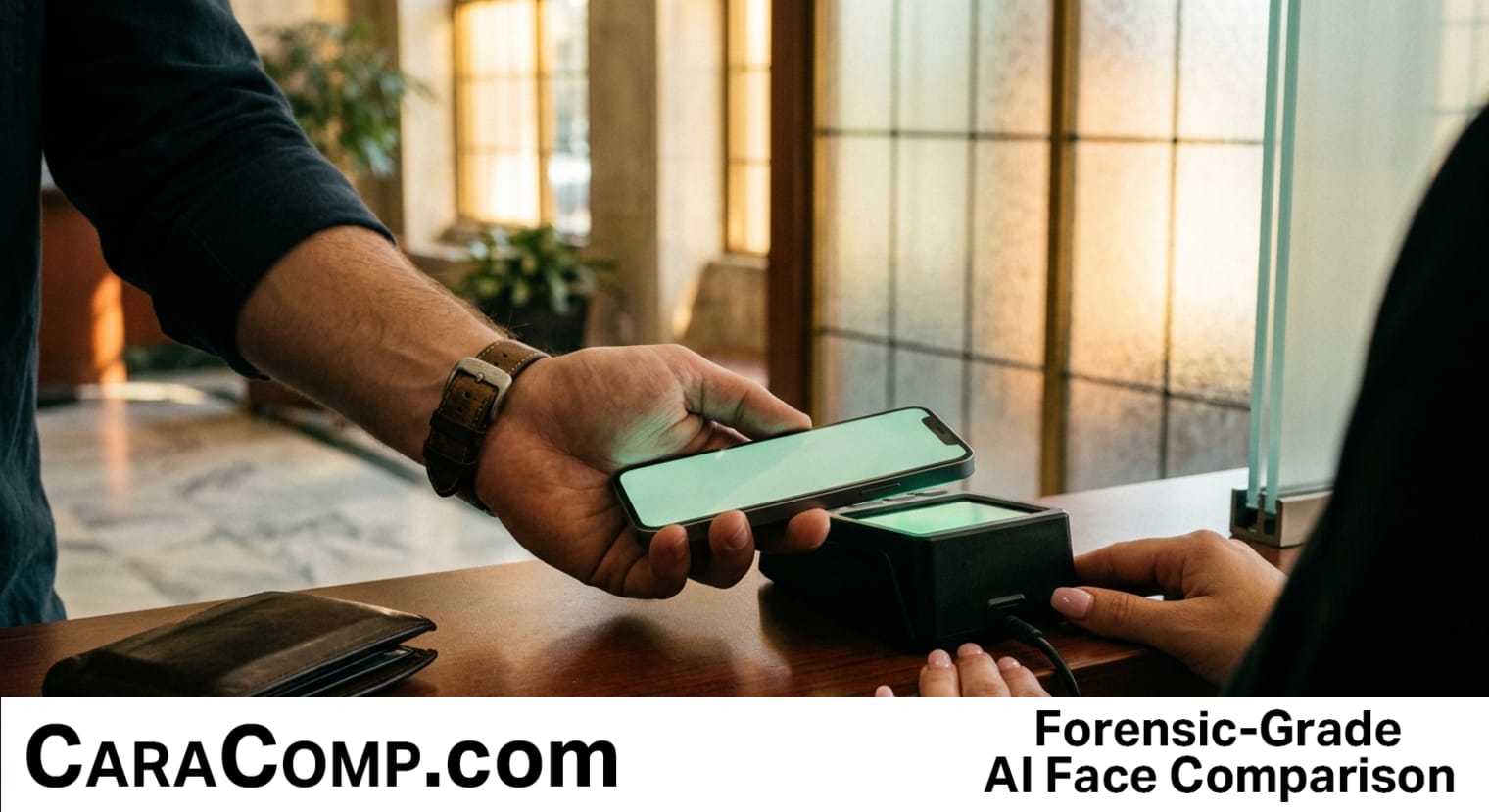
The physical plastic card inside your wallet is an investigative liability masquerading as security. Federal regulators just granted banks permission to accept state-issued mobile driver's licenses (mDLs) for customer verification, accelerating a fundamental shift that the investigation and security industry cannot afford to ignore: subjective, manual visual inspection is officially obsolete.
For decades, verification meant handing over an entire identity—address, date of birth, license number, and photo—just to answer one simple question. Now, cryptographically signed digital IDs and selective disclosure allow institutions to confirm precise claims without retaining unnecessary data. This isn't just a banking update; it is an undeniable signal that identity verification is shifting permanently toward objective mathematical proof.
For private investigators, fraud analysts, and OSINT professionals, this transition highlights a glaring industry divide. While institutional compliance moves toward cryptographic validation, far too many private investigators still rely on manual photo reviews and subjective visual checks. Spending hours manually comparing faces across case photos is no different than a bank teller squinting at a plastic hologram. It introduces human error, exhausts billable hours, and produces conclusions that struggle to hold up under legal scrutiny.
The broader implications for modern case analysis are clear:
- Mathematical certainty replaces visual guesswork: Moving away from subjective eyeball comparisons to precise algorithmic verification—such as Euclidean distance analysis in facial comparison—eliminates fatigue and human bias from critical casework.
- Data minimization becomes standard practice: Verifying identity claims without archiving sensitive, redundant records mitigates breach exposure and keeps investigative workflows clean, compliant, and defensible.
- Enterprise-level rigor is no longer optional: As regulatory frameworks embrace automated mathematical verification, solo investigators and small firms must adopt modern investigation technology to deliver court-ready results that meet today's standard of evidence.
The transition from physical cards to cryptographic identity proofs proves that precision always beats visual intuition. Whether verifying a banking customer or conducting side-by-side facial comparison on case evidence, mathematical measurement is the future of credible investigation.
Read the full article on CaraComp: Mobile Identity Verification: Banks Now Take Phone IDs


Comments
Post a Comment