Meta Age Verification: 3 in 100 Teens Slip Through as Adults
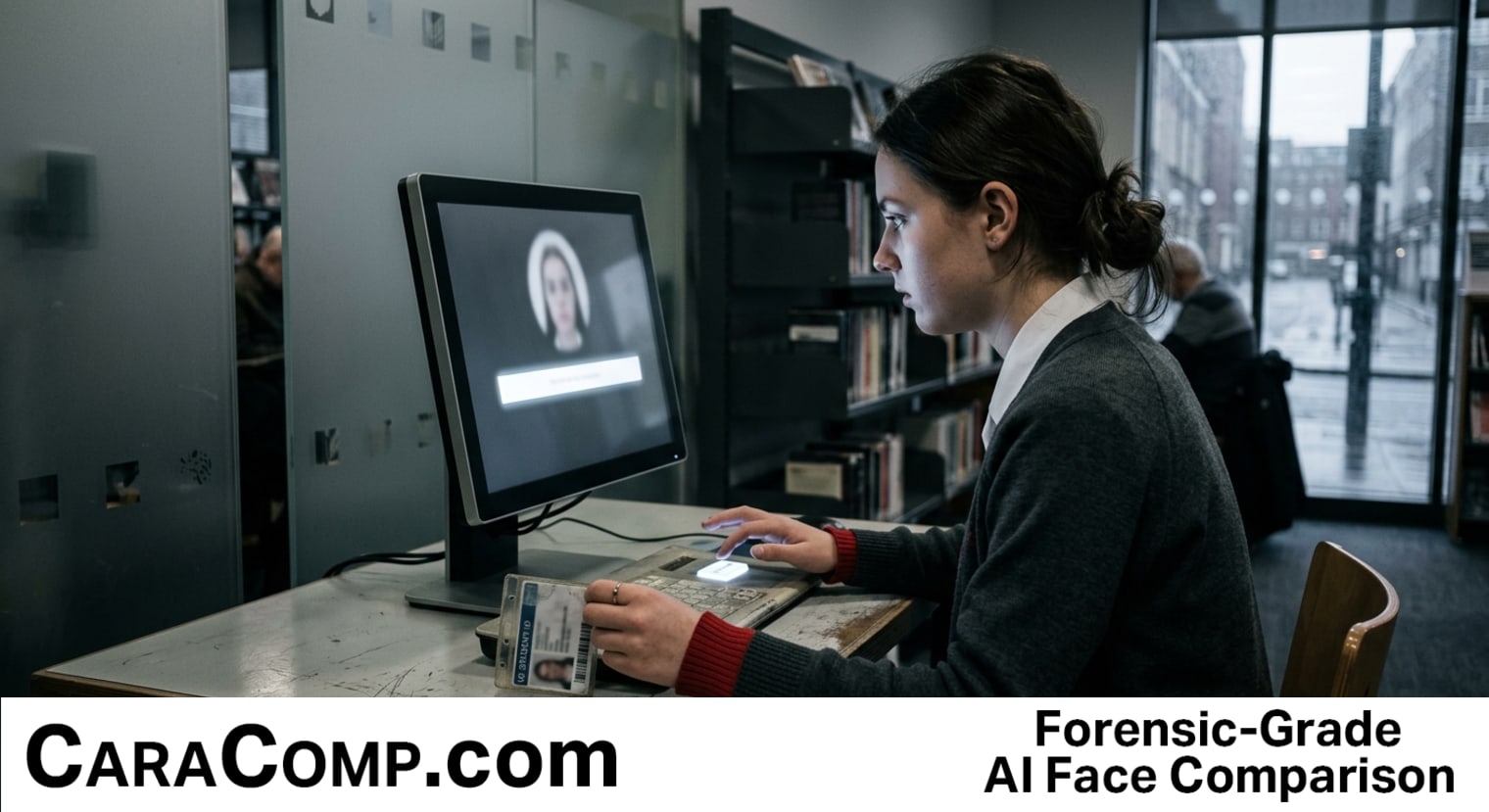
When a major tech giant formally codifies that three out of every hundred young teenagers can legally bypass an identity check and pass as adults, they aren't admitting a glitch—they are acknowledging the messy mathematics of automated biometric estimation. For years, platforms slapped an "AI-verified" badge on automated systems, giving users and regulators the illusion of absolute accuracy while burying the real margin of error in unread fine print.
The newly codified 3% false-positive tolerance for young teens (and a 10% tolerance for older teens) highlights an undeniable technical reality: no automated face analysis operates without trade-offs. Facial features change rapidly during adolescent development, creating average baseline error margins of 2.5 years right at the critical age boundary. Every algorithm must balance false positives against false negatives, dialing its confidence threshold up or down based on risk rather than absolute certainty.
For private investigators, OSINT researchers, and fraud analysts, this public policy shift provides a critical lesson in biometric scrutiny. Relying on opaque consumer tools that offer zero insight into their underlying error rates is a direct threat to professional credibility. Serious case analysis requires repeatable mathematical rigor, not unverified algorithmic guesses.
Here is what this biometric milestone means for professional investigations:
- Thresholds dictate reality: Automated visual tools provide statistical confidence scores, not infallible facts. Knowing precisely how a threshold is calibrated makes the difference between actionable intelligence and a misleading lead.
- Facial comparison demands transparent math: High-stakes case analysis relies on objective Euclidean distance analysis across case photos rather than unmeasured probabilistic assertions.
- Court-ready documentation requires auditability: If a tool cannot produce transparent, verifiable reports detailing how a conclusion was reached, it has no place in a professional investigation file.
As major tech companies are forced to publish their error rates, investigators must demand the same standard of transparency from their own investigative toolkits. Reliable facial comparison is built on verified math and clear methodology, never blind trust in a black box.
Read the full article on CaraComp: Meta Age Verification: 3 in 100 Teens Slip Through as Adults


Comments
Post a Comment