Is Facial Recognition Safe: The Face Data Job Nobody Approved
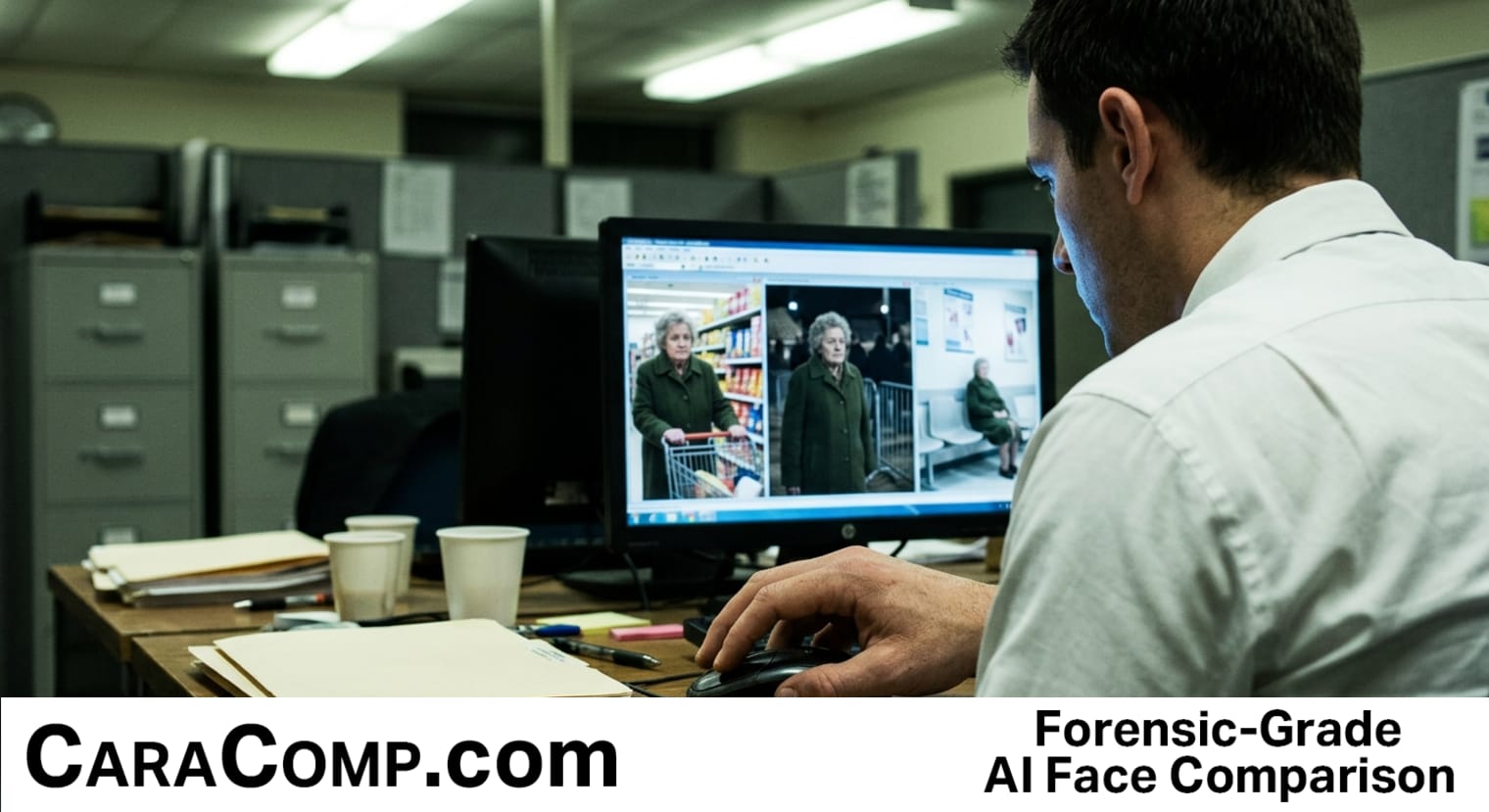
The most dangerous moment for biometric data is not the day an organization installs a camera—it is the afternoon an executive boardroom quietly decides to give that stored database a secondary job nobody signed up for. Commercial venues frequently deploy matching hardware under the justifiable banner of incident prevention, only for that central data repository to inevitably drift into behavioral indexing, customer profiling, and unauthorized secondary applications without consumer knowledge.
This architectural "function creep" underscores a critical dividing line that professional investigators, OSINT specialists, and fraud analysts must recognize. The rising backlash against corporate biometrics is not an indictment of mathematical identification tools; it is a structural failure of unconstrained, centralized databases. When organizations treat facial records as permanent, repurposable assets, severe regulatory scrutiny and evidentiary challenges follow immediately.
For private investigators and fraud examiners, maintaining operational credibility means drawing a strict boundary between ambient data collection and controlled, ethical case analysis. Legitimate investigation technology does not rely on opaque central data scraping. Instead, professional methodology centers on closed-loop facial comparison—leveraging precise Euclidean distance analysis against verified case photos to confirm identities, eliminate false positives, and produce defensible, court-ready documentation.
Key implications for the investigation and biometric sector:
- Secondary data use destroys public and legal trust: When organizations expand their data scope without transparent governance, they invite severe regulatory penalties and compromise the credibility of biometric tools in courtroom settings.
- Targeted facial comparison protects case integrity: Unlike sprawling commercial databases, direct side-by-side analysis keeps evidence strictly confined to individual case files, ensuring an uncompromised chain of custody.
- Mathematical rigor must replace speculative matching: Modern investigators cannot stake case outcomes on vague probabilities; they require precise Euclidean distance analysis to deliver objective, verifiable evidence that holds up under cross-examination.
As judicial standards tighten around digital evidence, investigators who rely on controlled, purpose-built facial comparison will stay miles ahead of those relying on risky, unaccountable databases.
Read the full article on CaraComp: Is Facial Recognition Safe: The Face Data Job Nobody Approved


Comments
Post a Comment