Illinois BIPA: Court Says a Recorded Voice Is Now a Face Scan
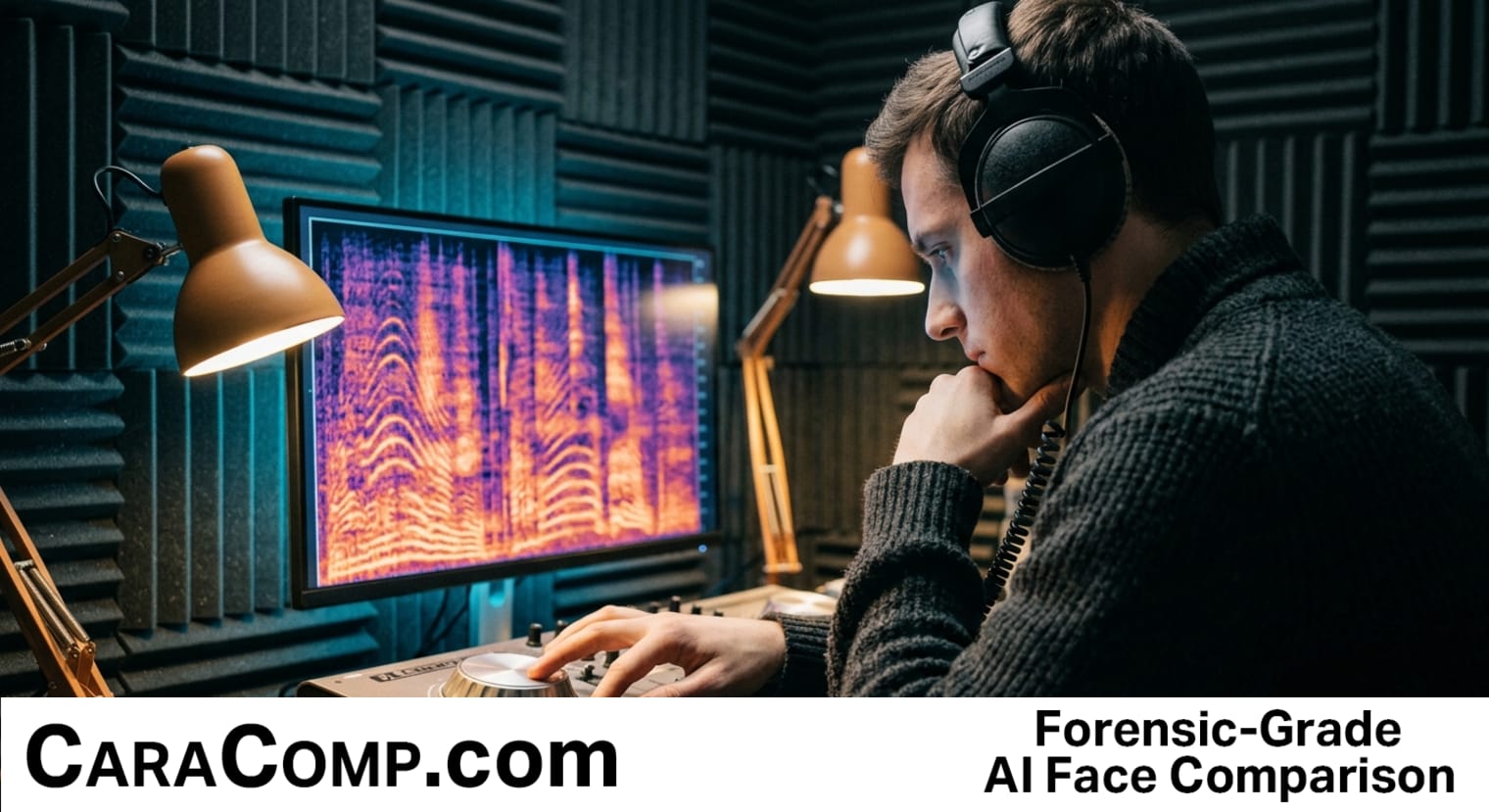
A federal court just dealt tech giants a major blow by ruling that an organization does not even need to actively run an identity match to violate biometric privacy law. The mere technical capability to extract unique mathematical identifiers—converting raw pitch, cadence, and vocal geometry into structured profiles—is enough to trigger severe liability under the Illinois Biometric Information Privacy Act (BIPA).
By equating acoustic prints directly with facial geometry, judicial standards are rapidly evolving. The message from the bench is unmistakable: the moment unstructured media is ingested into an automated pipeline capable of measuring human physical features, the legal landscape changes entirely. For professional investigators, private investigation firms, and OSINT researchers, this signals a massive shift in how biometric investigation technology must be understood and applied.
This ruling reinforces why modern case analysis must rely on rigorous, court-admissible standards rather than reckless data aggregation. Key implications from this decision include:
- System capability establishes legal exposure: Courts are no longer waiting for proven damages or active identification queries; maintaining an architecture capable of converting raw media into matchable vectors triggers biometric scrutiny.
- Mathematical comparison requires strict boundaries: True forensic case analysis depends on clear, targeted facial comparison using precise Euclidean distance analysis, cleanly separating legitimate casework from untargeted extraction.
- Transparent reporting is essential for court admissibility: As biometrics face heightened judicial review, solo investigators and small firms must rely on objective, defensible metrics rather than unreliable consumer tools.
As state and federal courts draw harder boundaries around biometric identifiers, the investigative community must double down on defensible, structured workflows. Relying on professional facial comparison tools that process evidence systematically ensures your findings withstand legal scrutiny while closing cases faster and keeping firms ahead of the curve.
Read the full article on CaraComp: Illinois BIPA: Court Says a Recorded Voice Is Now a Face Scan


Comments
Post a Comment