Illinois BIPA: Court Exempts Home Care Fingerprint Scans
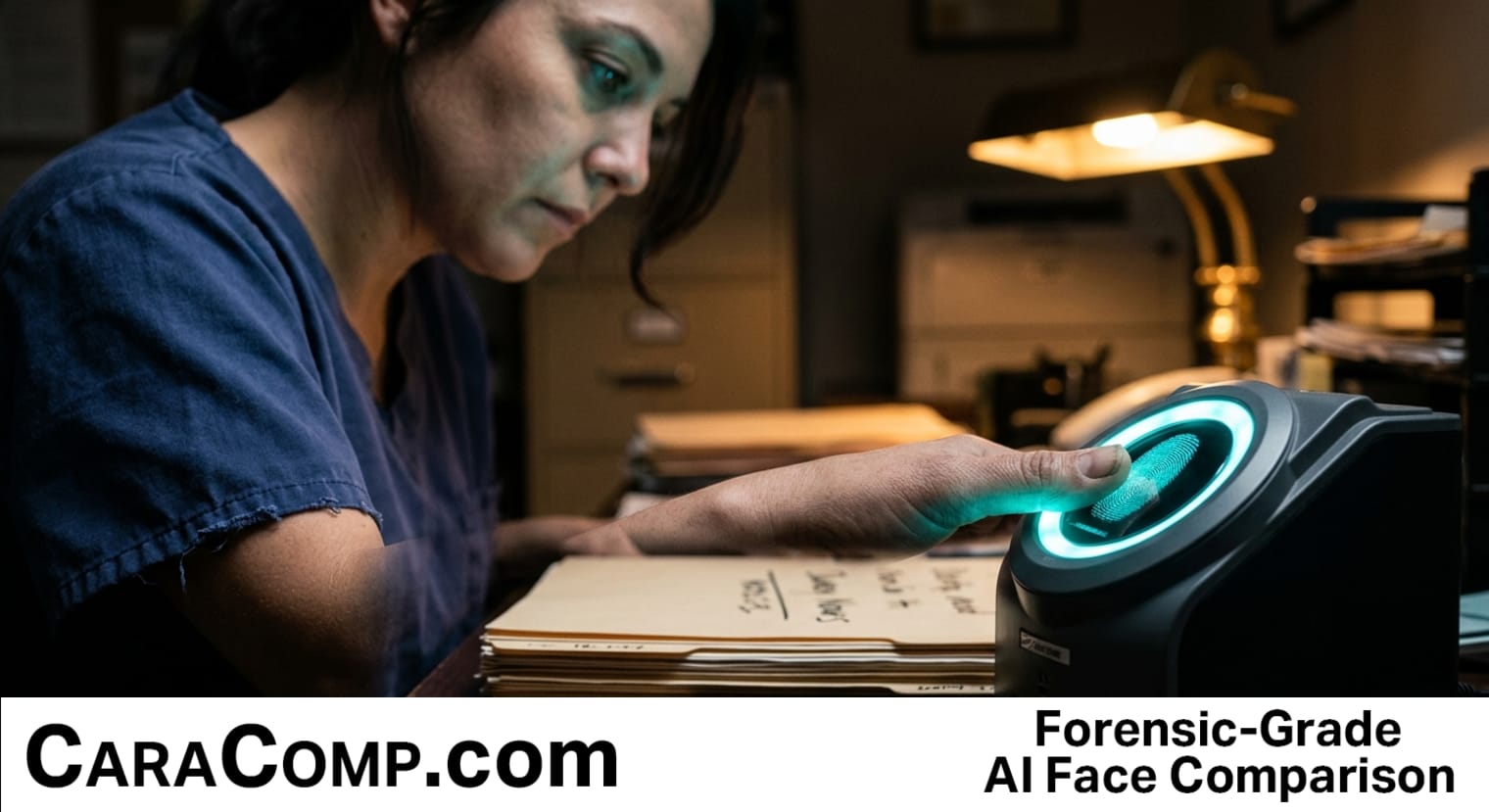
The exact same biometric record can be aggressively shielded under privacy statutes on Tuesday and completely exempt from consent mandates on Wednesday. An Illinois appellate court just upheld an exemption for a home care provider's employee fingerprint collection under the state's Biometric Information Privacy Act (BIPA). The ruling exposes a reality that many corporate risk officers and field investigators still misunderstand: biometric data is not legally defined by the pixel or ridge pattern itself, but by the statutory intent behind the collection.
For years, multi-million dollar class-action settlements led organizations to treat BIPA as an inescapable, blanket barrier. Yet this decision reaffirms that context dictates compliance. When biometric capture ties directly into mandated functions—such as state-required background vetting or essential operational protocols—statutory exemptions take precedence. Handing over biometric data does not trigger identical protections across every scenario.
For the investigative and security sectors, this ruling underscores why precision matters. There is a fundamental difference between running indiscriminate public sweeps and utilizing targeted, case-specific Euclidean distance analysis on specific case files. As courts continue to interpret biometric statutes through the lens of purpose rather than the raw data type, professional investigation technology must operate with clear, defensible boundaries.
Key takeaways from the ruling include:
- Purpose dictates legal standing: Biometric protection is not intrinsic to the scan itself; compliance obligations and liability hinge strictly on the defined administrative purpose behind the collection.
- Exemptions are surgical, not organizational: Qualifying under a government contractor or healthcare exemption for background checks does not grant an organization blanket immunity to repurpose that same data for secondary uses.
- The necessity of defensible methodology: As regulatory scrutiny increases, investigators and fraud analysts must rely on purpose-bound facial comparison workflows that withstand judicial review and maintain strict chain-of-custody standards.
Read the full article on CaraComp: Illinois BIPA: Court Exempts Home Care Fingerprint Scans


Comments
Post a Comment