ID Verification: Korea's QR Scan Shares Just 3 Facts
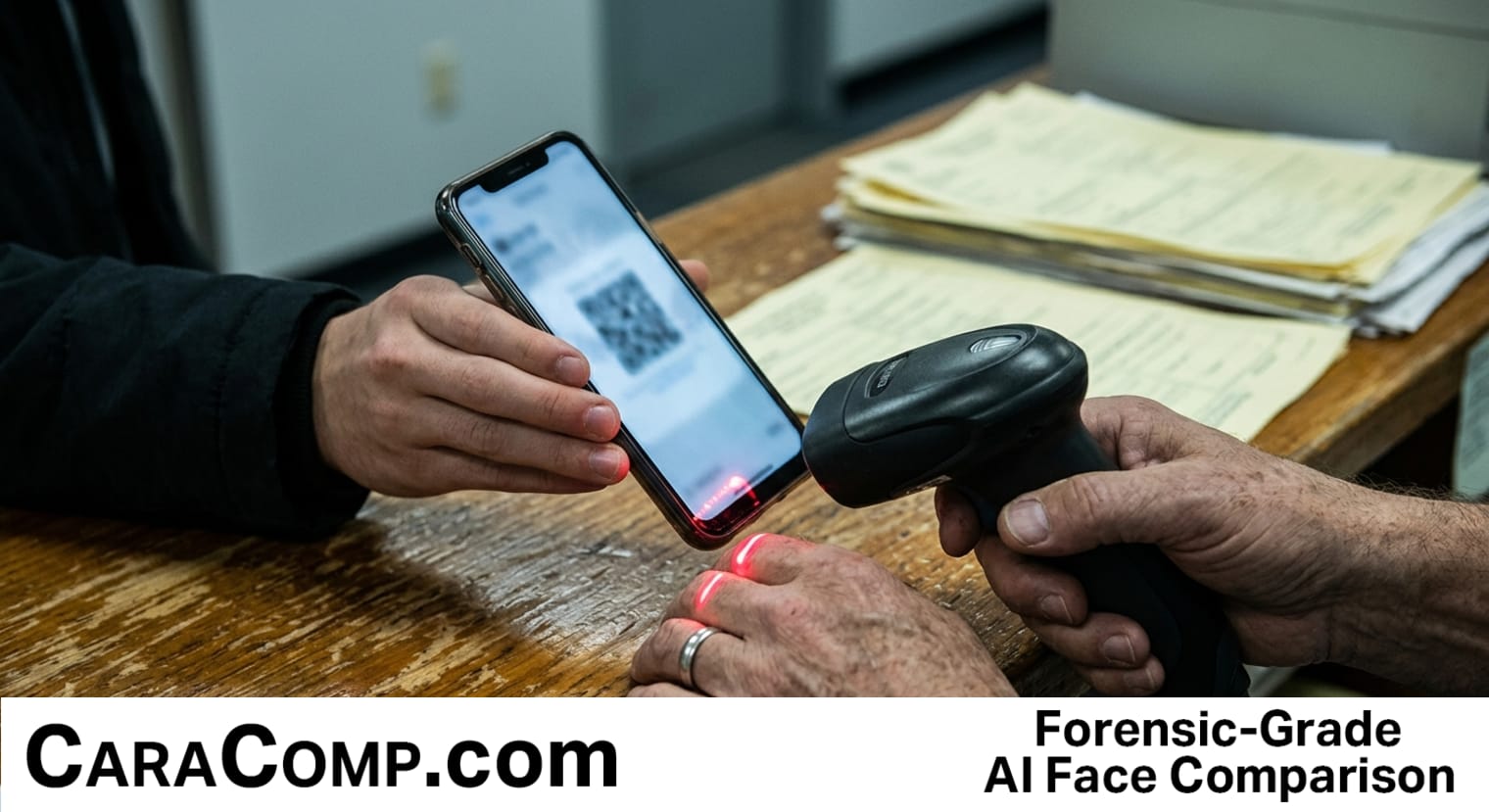
Human visual inspection is officially dead as a reliable identity check. If South Korea’s nationwide identity overhaul proves anything, it is that forged screens and doctored visuals have rendered the standard "eyeball test" completely obsolete. When major telecom carriers must deploy five separate layers of live cryptographic handshakes just to verify three simple data points, the message to the investigative sector is unmistakable: relying on human intuition to verify digital credentials is a fast track to case failure.
For private investigators, OSINT researchers, and fraud specialists, South Korea’s rollout of the PASS mobile verification framework underscores a critical shift across forensic and biometric workflows. True digital verification is never about dumping massive identity files or assuming a digital image is genuine simply because it looks modern. It is about architectural precision—confirming specific, verifiable facts while enforcing strict data minimization.
This principle mirrors the essential distinction investigators must make every day in case analysis. Just as dynamic verification validates a single identity claim without compromising a subject's broader profile, professional facial comparison relies on objective mathematical measurement—specifically Euclidean distance analysis—to compare case images side-by-side. It replaces subjective visual guesses with repeatable, defensible data built for courtroom scrutiny.
- Visual authentication is an active investigative liability: High-quality spoofing and edited digital media mean that manual visual checks invite unforced errors and missed matches across critical case files.
- Data minimization separates professional tools from crude searches: Modern verification succeeds by validating narrow, specific questions rather than harvesting or exposing irrelevant personal records.
- Algorithmic precision is replacing intuition: Whether verifying mobile credentials or running high-stakes facial comparison, defensible results require objective mathematical metrics over subjective gut feelings.
Investigators who continue to rely on manual photo comparisons or unverified digital assets are falling behind an industry that demands absolute precision.
Read the full article on CaraComp: ID Verification: Korea's QR Scan Shares Just 3 Facts


Comments
Post a Comment