ID Verification: 3 Seconds of Audio Clones a Child's Voice
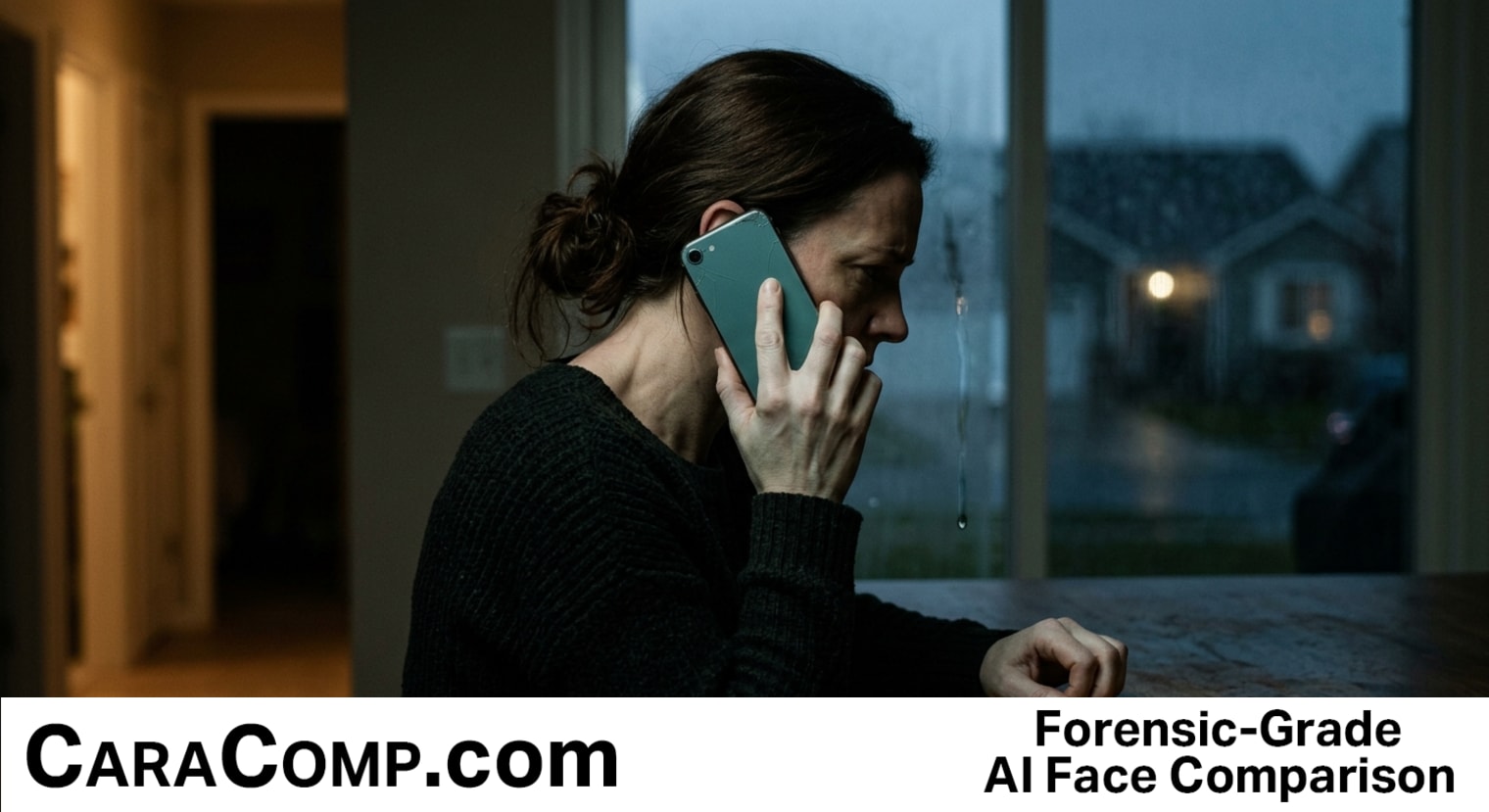
Three seconds of stray audio is now all bad actors need to construct a flawless synthetic clone of a child's voice. With human detection accuracy hovering at a dismal 0.1%, relying on natural sight and sound to verify identity has officially become obsolete. Generative AI has collapsed the line between authentic human presence and synthetic deception, completely upending how we authenticate individuals under pressure.
For modern fraud analysts, private investigators, and intelligence professionals, this shift is monumental. The era of trusting manual reviews or "gut-check" identification is over. Synthetic media is no longer an emerging threat—it is an active weapon engineered to exploit emotional panic and bypass conventional scrutiny. As synthetic impersonation cases skyrocket, investigative methodology must transition from subjective observation to rigorous, mathematical validation.
This reality brings critical implications for the future of identity validation and case analysis:
- Manual verification is an active investigative liability: When audio and imagery can be generated in seconds, visual and auditory impressions fail. Investigators must utilize scientific methodologies, such as Euclidean distance analysis in facial comparison, to evaluate evidence based on verifiable geometry rather than surface-level appearances.
- Verification protocols must replace sensory trust: From family emergency scams to corporate fraud schemes, identity authentication requires deterministic checks. Objective side-by-side comparison across authentic case assets is the only reliable defense against synthetic manipulation.
- High-level biometric tools must be accessible to field investigators: With generative cyber threats surging by over 1,300%, solo practitioners and private investigation firms cannot operate behind outdated methods while enterprise teams deploy modern biometrics. Reliable, court-ready comparison tools must be in every investigator's daily toolkit.
Investigative integrity now hinges on moving past subjective reviews. When synthetic media can mimic a person down to their vocal inflections, verification requires empirical data, repeatable processes, and precision case analysis.
Read the full article on CaraComp: ID Verification: 3 Seconds of Audio Clones a Child's Voice


Comments
Post a Comment