Facial comparison: 150 fake photos, 49% of schools hit
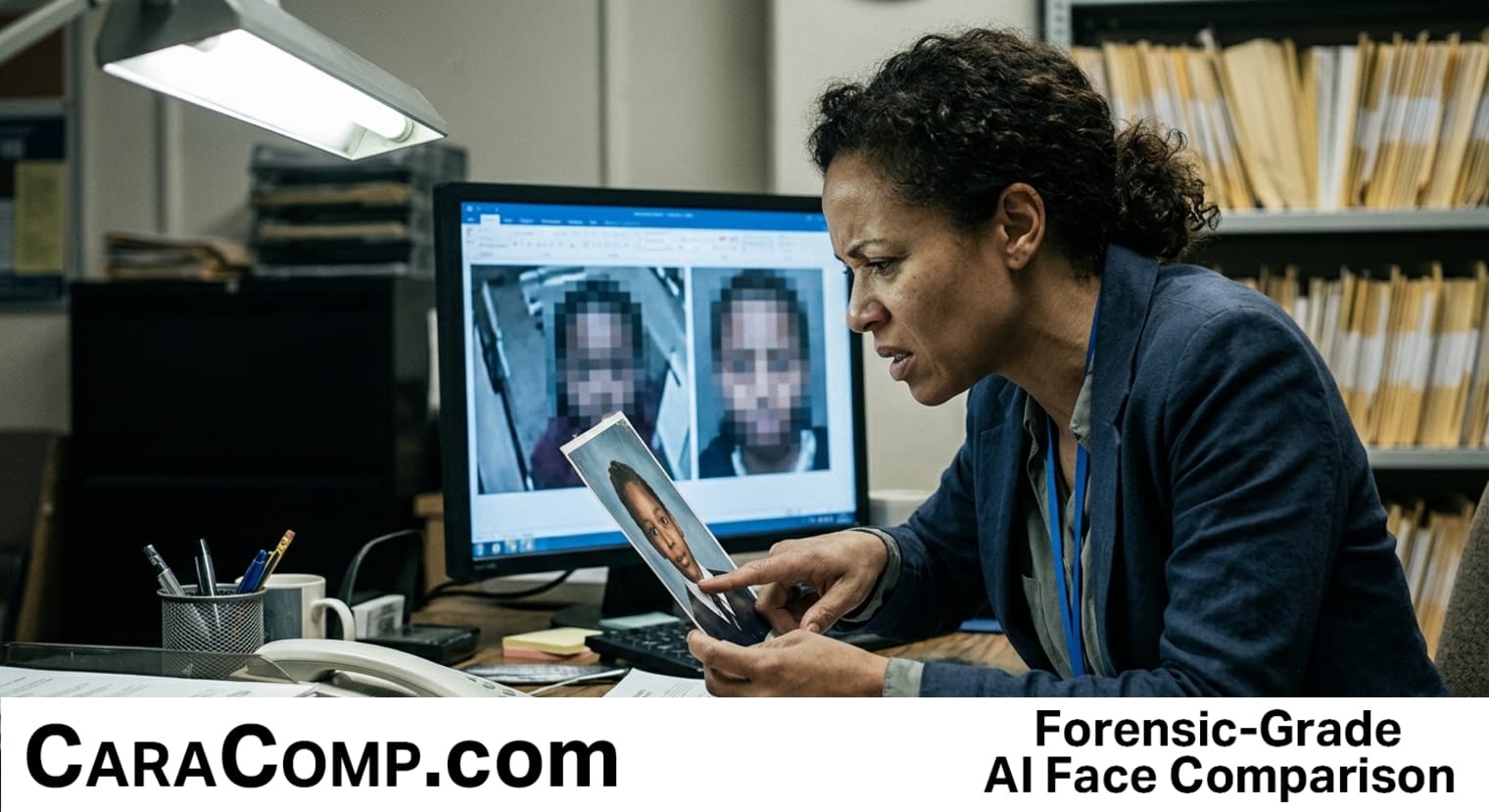
When an extortion ring weaponizes 150 synthetic abuse images manufactured from ordinary yearbook portraits, the resulting institutional panic is completely intentional. With 49 percent of UK headteachers already dealing with pupil photo manipulation and fewer than 43 percent equipped to respond, we are witnessing a complete breakdown in legacy verification methods. The immediate danger isn't just that generative models have weaponized child exploitation at scale—it's that frontline administrators and private investigators are still relying on manual visual checks to separate fabricated media from genuine danger.
Manual photo inspection is entirely obsolete under active extortion threats. When criminals impose tight deadlines, investigators cannot spend hours cross-referencing anatomical features across case files or waiting on backlogged enterprise forensics labs. This crisis demands rapid, mathematically grounded verification.
This dynamic reinforces the vital distinction between mass crowd monitoring and targeted facial comparison. Closed-case biometric analysis—utilizing Euclidean distance calculations between a verified reference image and a questioned file—measures precise facial landmarks to determine true geometric similarity. Instead of paralyzing organizations with uncertainty, mathematical comparison delivers immediate, court-admissible certainty that establishes identity parameters in seconds.
The operational shift taking place across digital forensics reveals critical implications for modern investigations:
- Automated extortion requires instant mathematical verification: As criminal groups automate the scraping of public directories, private investigators and security teams must utilize batch landmark comparison to triage hundreds of suspicious assets simultaneously rather than guessing under duress.
- Comparison methodology protects operational integrity: Safeguarding investigations require strictly controlled, side-by-side comparisons using verified case evidence, keeping the analytical workflow focused entirely on objective identity confirmation rather than expansive crowd data collection.
- Fast forensic reporting eliminates extortion leverage: Deepfake blackmail relies entirely on manufactured fear and administrative hesitation. Generating definitive, verifiable similarity scores equips detectives and safeguarding leads with the concrete data required to neutralize criminal claims immediately.
The expanding gap between malicious synthetic media generation and digital defense tools must be closed. Equipping field investigators with professional-grade, rapid facial comparison capabilities is no longer a luxury—it is the operational baseline for modern case resolution.
Read the full article on CaraComp: Facial comparison: 150 fake photos, 49% of schools hit


Comments
Post a Comment