Facial Age Estimation: Meta Sets a 3% Error Limit
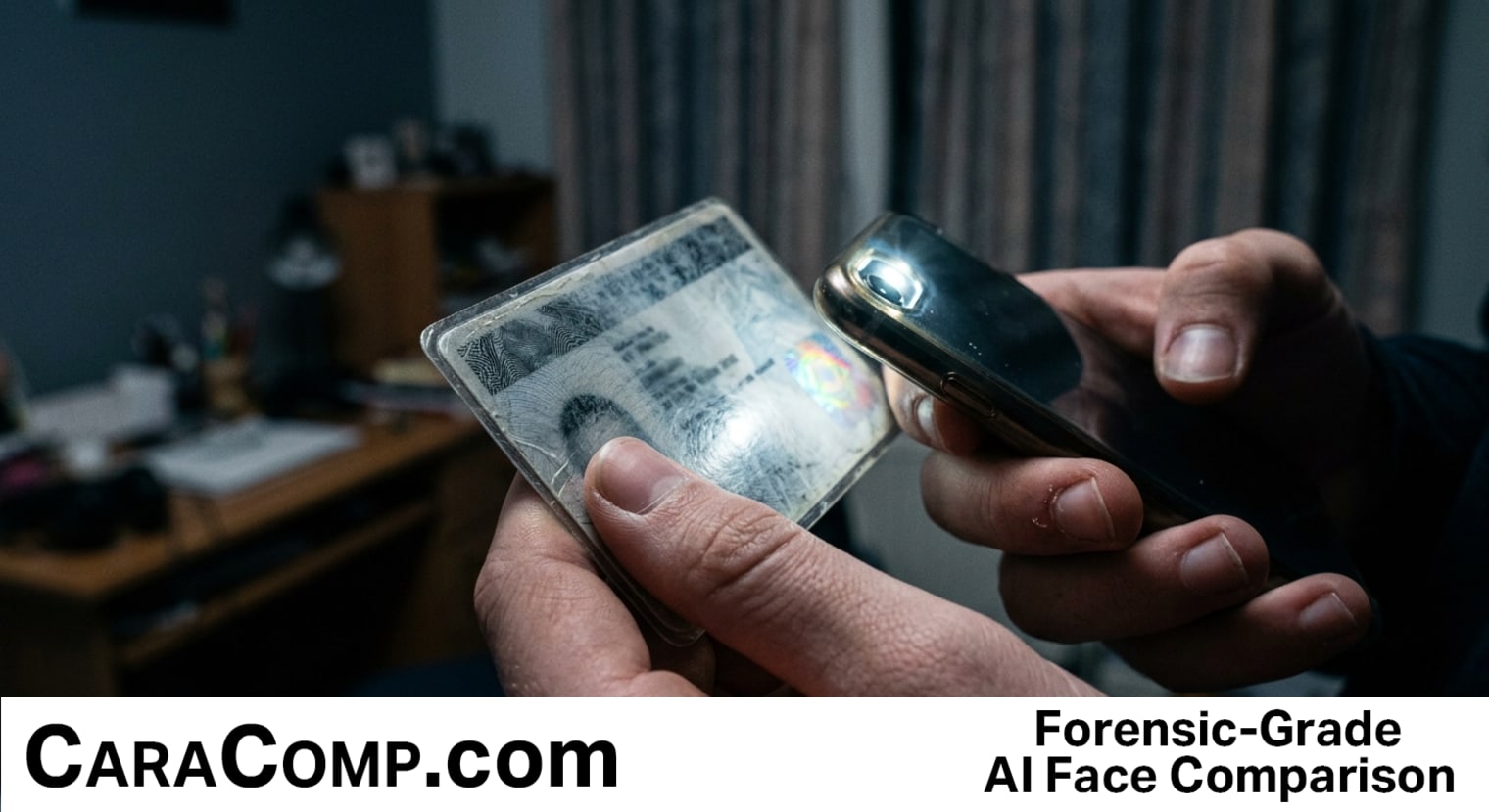
The internet’s favorite polite lie detector—the "enter your birthday" drop-down—is officially heading to the graveyard. Meta’s recent legal settlement requiring third-party biometric vendors to prove a false positive rate of 3% or lower for teens aged 13 to 15 marks a pivotal turning point in visual tech. For years, tech platforms treated biometric screening like an unverified feature. That approach ended the moment an independent annual audit requirement was codified into a legally binding standard.
For professional investigators, forensic analysts, and case researchers, this development is a massive validation. The broader technology landscape is finally catching up to what serious investigators have known for years: unverified algorithms and subjective guessing have zero longevity when legal scrutiny enters the room. In digital case analysis, precision is not optional. Whether assessing subject authenticity or evaluating identity markers across thousands of case files, relying on black-box tools with unknown failure rates is an operational liability.
This settlement sets a precedent that will inevitably ripple across courtrooms, compliance frameworks, and investigative methodologies:
- Hard accuracy benchmarks replace marketing hype: Forcing software vendors to certify error rates below 3% through annual third-party audits creates a blueprint for how image analysis software must perform. Vague claims are out; quantifiable, documented metrics are in.
- Mathematical facial comparison is becoming mandatory standard practice: As platforms phase out self-reported data in favor of direct photographic analysis, the demand for structured, court-defensible analysis—powered by reliable Euclidean distance methodology—is moving firmly into mainstream casework.
- The liability shift will hit unverified consumer tools hardest: When big tech is forced to document exact error thresholds, investigators using uncertified, noisy web tools will face impossible questions in evidentiary hearings. Case analysis demands verifiable image-to-image comparison.
The shift from honor-system inputs to verified visual analysis is permanent. As biometric standards tighten worldwide, investigators who rely on rigorous mathematical comparison rather than subjective guesswork will lead the field.
Read the full article on CaraComp: Facial Age Estimation: Meta Sets a 3% Error Limit


Comments
Post a Comment