Deepfake Phishing: A Student Faked a Teacher in Jeju
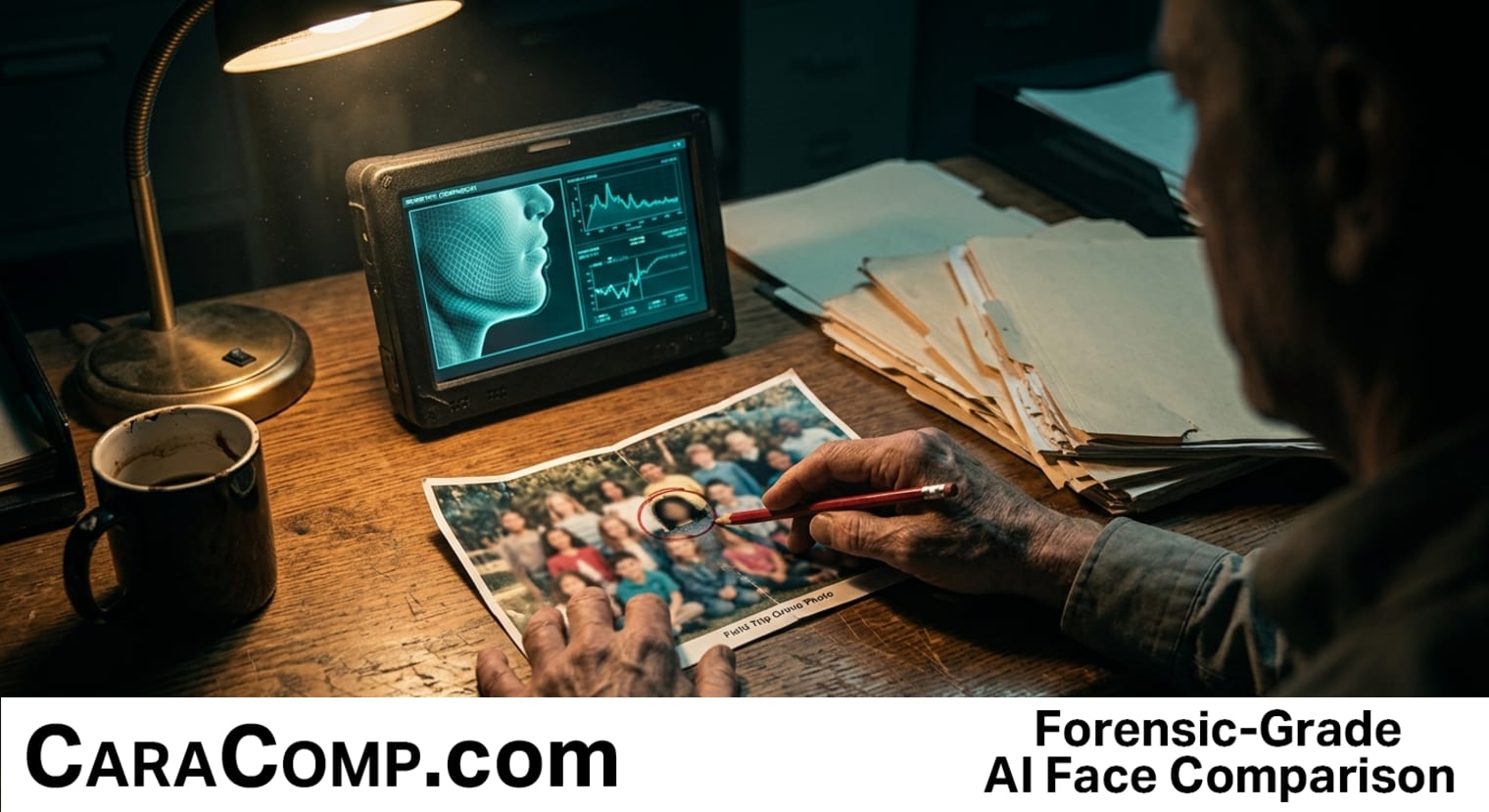
A student on a school trip in Jeju secretly recorded video footage of a teacher, fed it through accessible generative software, and manufactured explicit synthetic images. No sophisticated hacking. No credential theft. Just a casual video clip converted into synthetic leverage in minutes.
The weaponization of everyday imagery has officially arrived at ground level. For private investigators, digital forensics experts, and fraud analysts, this shift is a seismic wake-up call. The standard assumption that visual evidence is inherently authentic is dead. When high-fidelity synthetic manipulation can be executed on a smartphone, every photo or video presented in a dispute, fraud claim, or workplace investigation requires rigorous, objective verification.
Manual photo review is completely obsolete against modern synthetic media. Spotting mismatched lighting or blurred textures by eye is no longer enough to build a court-ready case or protect a client's reputation. Investigators need mathematically grounded facial comparison tools—leveraging objective Euclidean distance analysis—to establish whether a person in a questioned file matches verified reference photos.
Here is what this evolution means for modern case analysis:
- Everyday visual assets are now primary attack vectors: Harmless workplace photos, casual trip clips, and public headshots are being harvested as raw material for synthetic extortion and identity fraud, demanding faster verification workflows from investigators.
- Manual review creates critical case liability: Relying on human intuition to compare faces across dozens of case files leads to missed matches, false conclusions, and unvetted evidence that fails scrutiny in legal proceedings.
- Enterprise-grade facial comparison must be accessible: Solo practitioners and small investigative firms cannot afford multi-thousand-dollar enterprise contracts just to perform reliable side-by-side biometric validation. Affordable, objective case analysis tools are essential to level the playing field.
As synthetic media blurs the line between authentic evidence and AI-generated fabrications, the investigators who survive will be the ones equipped with objective, mathematical facial comparison workflows.
Read the full article on CaraComp: Deepfake Phishing: A Student Faked a Teacher in Jeju


Comments
Post a Comment