Biometric Time Clocks: $5,000 Per Scan, Court Rules
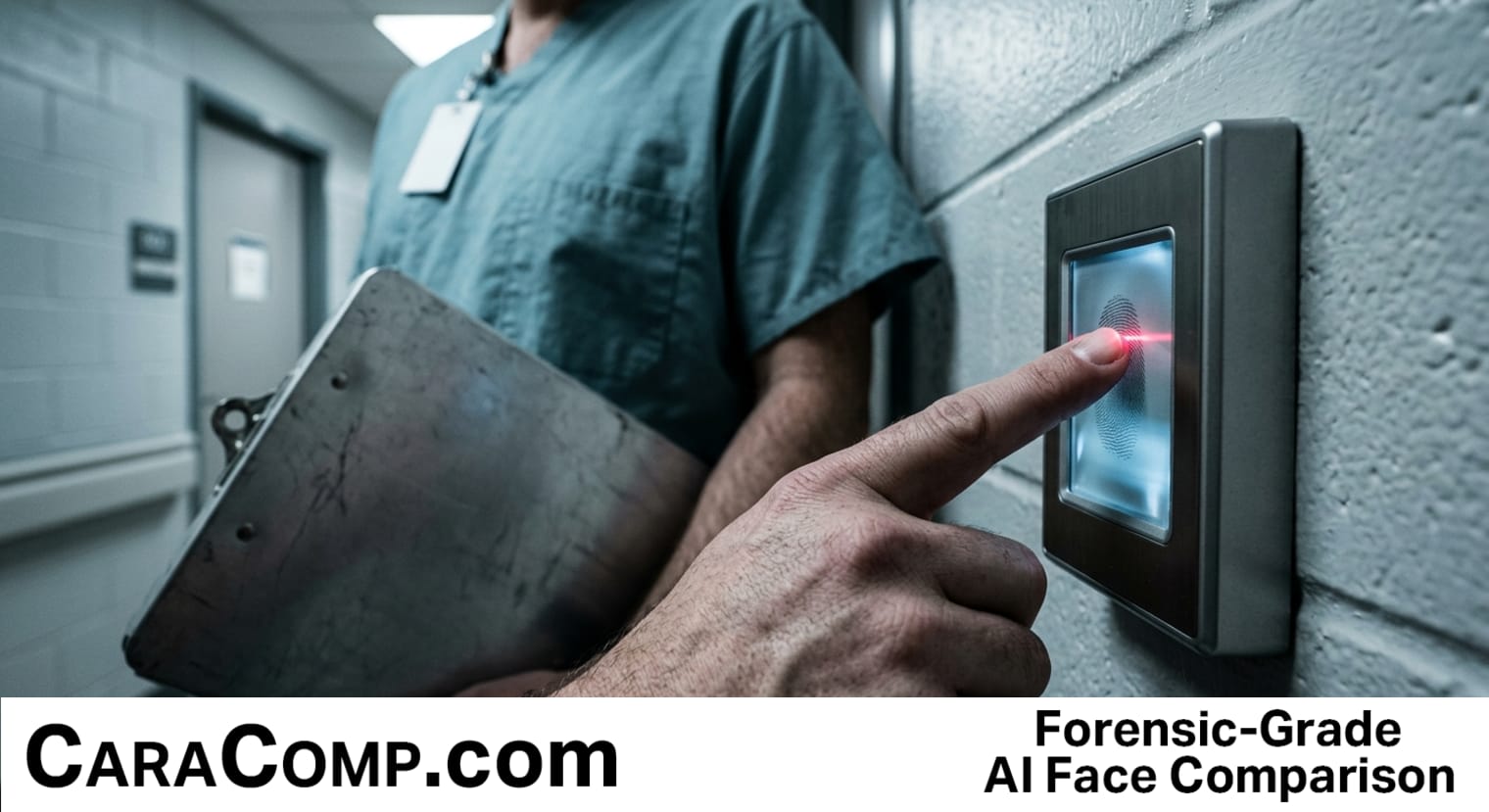
A single employee clocking into work on a hand scanner can generate over $1.25 million in statutory liability in twelve months. An Illinois appellate court just dismantled one of corporate leadership's favorite legal shields, ruling that simply operating inside a healthcare facility does not grant blanket immunity from state biometric privacy legislation.
Judges are sending an unmistakable message across the biometrics landscape: the legal exposure of biometric processing hinges entirely on intent and purpose, not the industry stamped on the front door. Healthcare employers assumed that HIPAA-adjacent operations shielded routine administrative timekeeping from statutory damages under the Biometric Information Privacy Act. They were wrong. Administrative payroll is not patient care, and the judiciary refuses to let organizations blur those boundaries.
For private investigators, fraud examiners, and intelligence analysts, this judicial hard line highlights a critical distinction between continuous workplace capture and targeted investigative technology. Running continuous biometric hardware across an entire workforce without airtight consent creates catastrophic liability. By contrast, methodical facial comparison applied strictly to case-specific evidence remains a sound, legally defensible investigative methodology. Precision matters, both in the analytical algorithms you choose and the specific scope of your case files.
The key takeaways from this ruling reveal where biometrics law is heading next:
- Purpose over industry label: Courts evaluate the exact operational reason behind biometric data processing, invalidating broad institutional exemptions when technology is applied to administrative functions like attendance.
- Compounding statutory risk: With penalties climbing up to $5,000 per violation, passive biometric hardware without explicit, documented consent poses existential financial exposure.
- Case-specific workflows win: Purposeful facial comparison built for discrete case analysis and Euclidean distance evaluation avoids the regulatory hazards plaguing continuous workplace biometric systems.
The legal hammer falling on biometric time clocks proves that technical utility cannot outrun compliance. If an organization cannot defend the exact purpose and retention parameters of every biometric point it processes, the courts are ready to issue devastating penalties.
Read the full article on CaraComp: Biometric Time Clocks: $5,000 Per Scan, Court Rules


Comments
Post a Comment