Biometric privacy: Yoti quits Spain over €950,000 fine
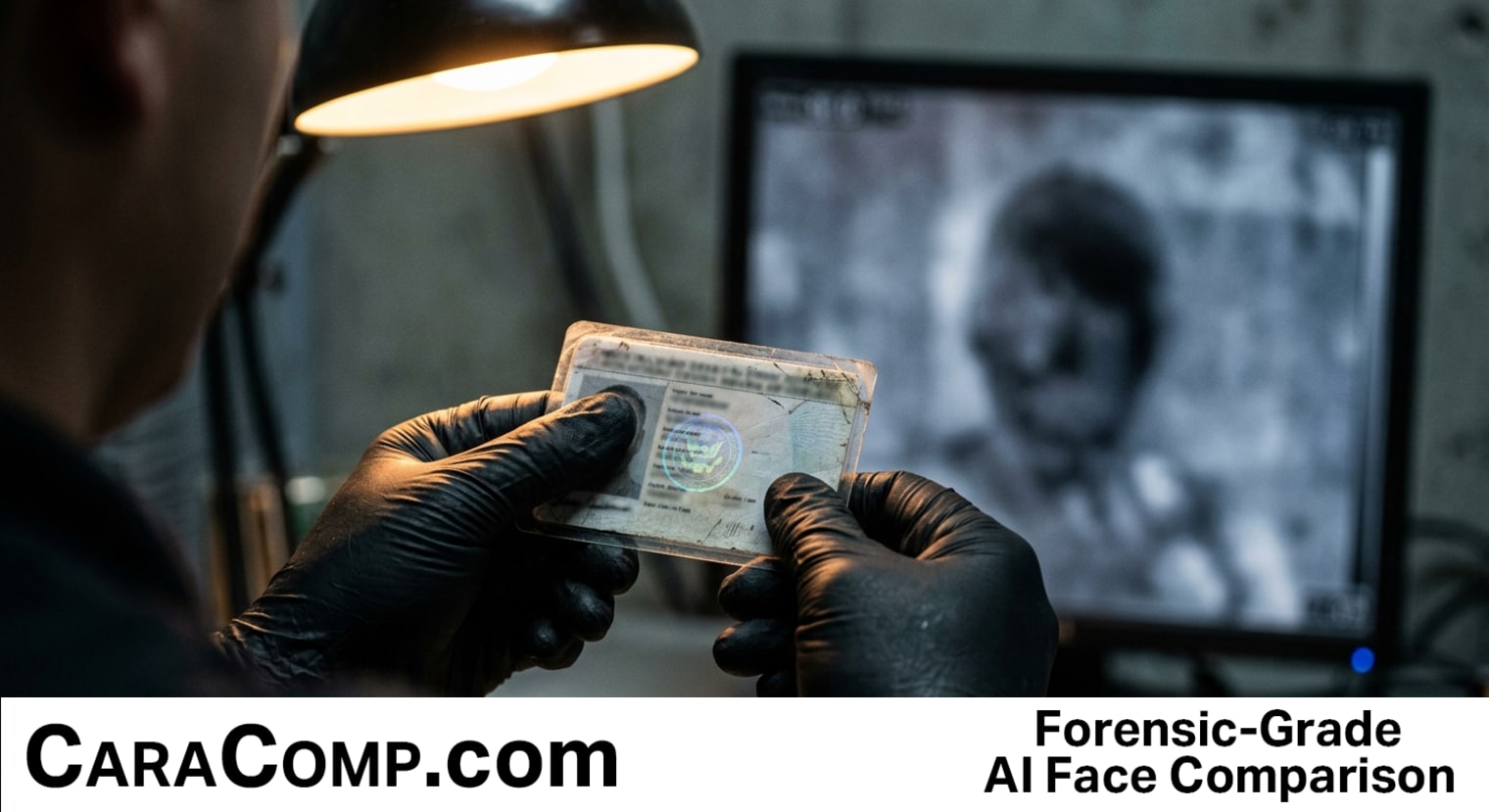
A digital identity provider abandoning an entire national market rather than weakening a single biometric security check sounds extreme—until you realize what happens when regulators treat authentication as optional. When Spain's data protection authority hit identity firm Yoti with a €950,000 fine for mandating facial verification during high-risk account events, the company refused to compromise its architecture. It pulled its app from the country entirely.
The core issue is straightforward: in security architecture and case analysis, an optional lock is not a lock—it is an open invitation for fraud. This standoff exposes a critical distinction that fraud analysts and investigators encounter daily. A surface-level face match merely confirms physical presence at a single moment; it does not prove credential authenticity, account ownership, or true identity. While consumer platforms wrestle with regulatory pushback, professional investigators understand that reliable facial comparison requires objective mathematical rigor, not superficial verification shortcuts.
For private investigators, OSINT researchers, and fraud specialists, the Spanish ruling underscores several critical takeaways:
- Regulatory mandates cannot override technical reality: Forcing systems to offer non-biometric workarounds creates a clear target for bad actors. In both digital authentication and case analysis, bypassing objective verification undermines the integrity of the entire process.
- A face match is only one piece of the puzzle: Mathematical alignment between an image and a template proves similarity, but it does not validate the underlying credential. Professional investigation technology relies on multi-layered verification and Euclidean distance analysis to deliver defensible conclusions.
- Methodology must withstand scrutiny: As legal standards around biometrics tighten globally, investigators cannot risk their reputations on opaque consumer tools. Defensible case findings require structured, court-ready reporting based on transparent comparison metrics.
When the stakes involve fraud detection or evidentiary proof, surface-level automation is not enough. Serious case analysis demands reliable, specialized facial comparison tools built to deliver objective evidence that holds up under scrutiny.
Read the full article on CaraComp: Biometric privacy: Yoti quits Spain over €950,000 fine


Comments
Post a Comment