Biometric Device Quality: DHS Bets $440M on Cameras
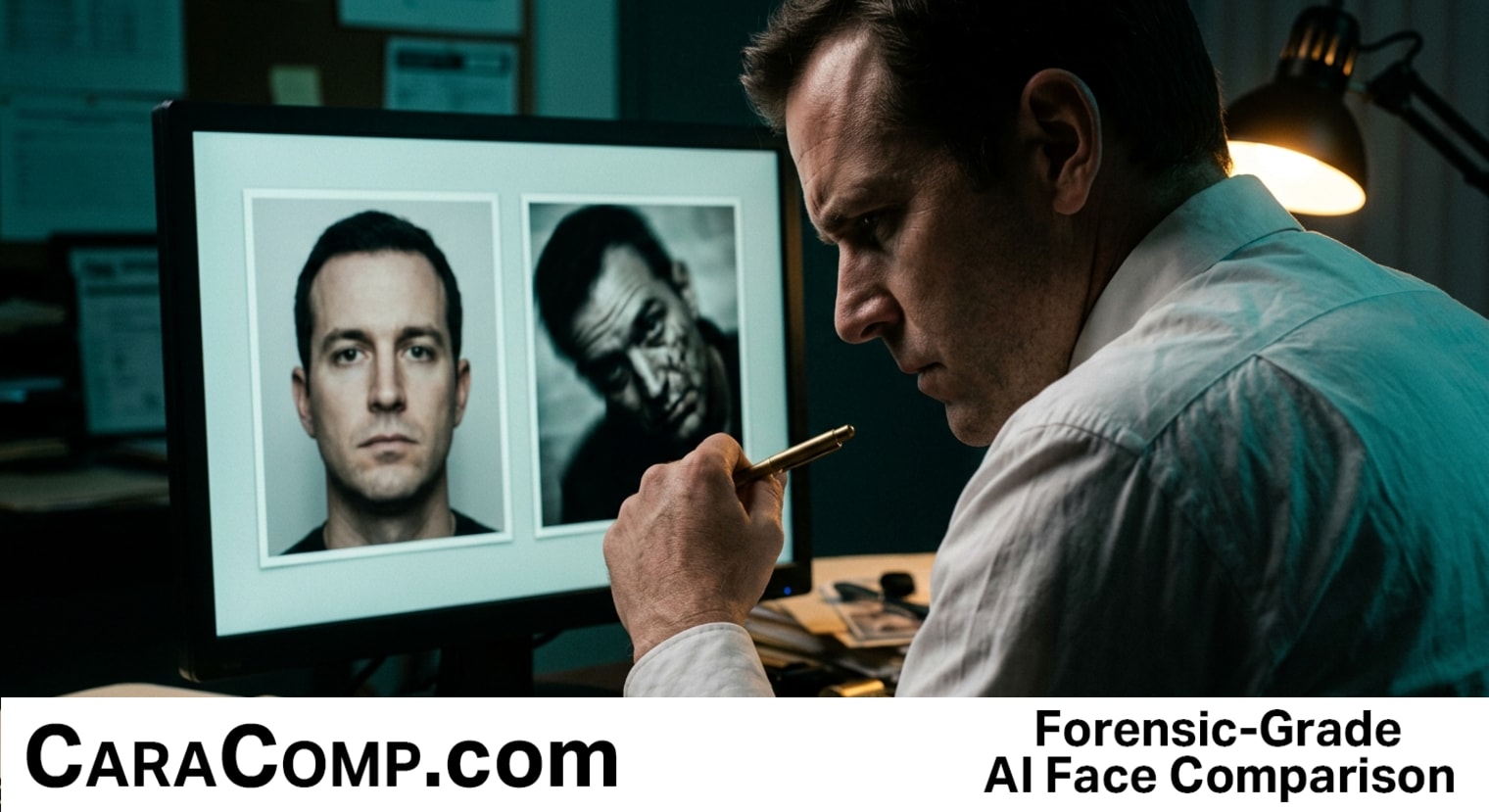
The Department of Homeland Security is quietly putting nearly half a billion dollars behind a reality most software vendors try to hide: the world’s most advanced facial algorithms are completely helpless against a bad camera angle. DHS's planned $440 million procurement spree focuses entirely on physical capture hardware—scanners, readers, and optical sensors—rather than code. When research reveals that error rates on identical algorithms more than double simply by swapping a clean mugshot for a standard webcam capture, the message to investigators is undeniable. Software cannot compare mathematical geometry that was never recorded in the first place.
Too many private investigators and OSINT analysts treat automated tools like digital magic wands, assuming machine learning will magically sharpen blurred pixels or reconstruct a jawline obscured by harsh backlighting. In real-world case analysis, automated confidence scores do not reflect absolute truth—they merely reflect mathematical probability based on whatever raw data was provided. If an investigator feeds a 45-degree angle crop into an engine, even sophisticated Euclidean distance analysis will stumble. The investigative industry's obsession with matching engines has blinded practitioners to the foundational truth of biometrics: garbage in guarantees garbage out.
This massive federal investment highlights several critical shifts every serious investigator must recognize:
- Hardware sets the ceiling for AI accuracy: DHS allocating $440 million to capture devices proves that algorithm refinement has hit diminishing returns; without standardized, high-fidelity capture, automated matches degrade rapidly.
- Angle and lighting dictate evidentiary value: Mathematical thresholds like the 30-degree pose limit are hard physical constraints, meaning low-quality input photos generate high-confidence false leads that collapse under cross-examination.
- Methodology matters more than blind automation: Professional investigators must shift from treating software as a magic oracle to executing disciplined, side-by-side facial comparison workflows built on verifiable geometric data.
Until investigators understand that capture quality dictates legal defensibility, high match scores will remain a liability rather than an asset.
Read the full article on CaraComp: Biometric Device Quality: DHS Bets $440M on Cameras


Comments
Post a Comment