Age verification device: Windows is now the machine
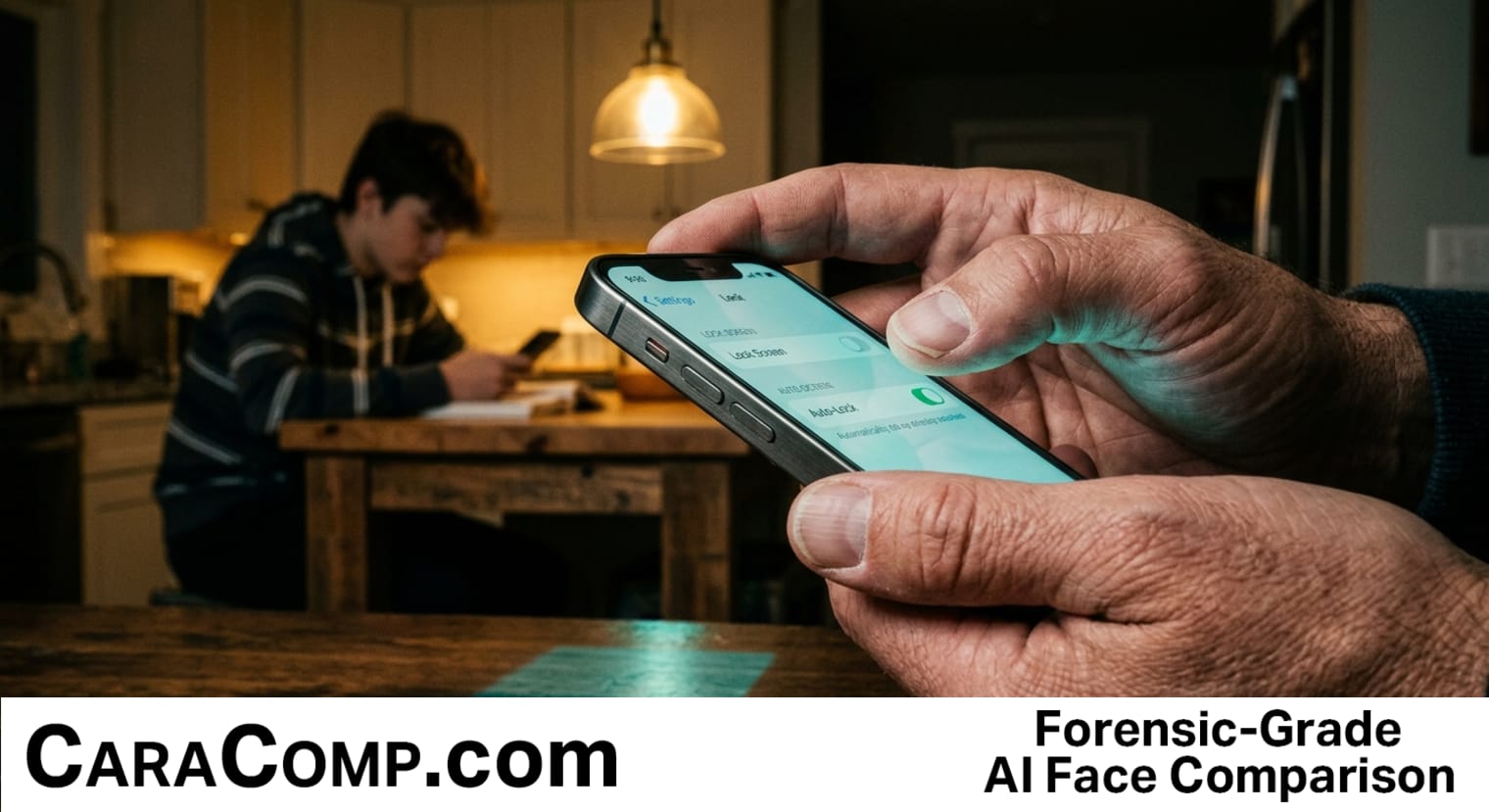
Your operating system is quietly becoming the judge, jury, and gatekeeper of digital identity. Driven by sweeping legislative mandates in states like California and New York, Microsoft has integrated a native Age API directly into Windows 11. Instead of individual platforms requesting birthdays, your device now hands apps a broad age bracket behind closed doors. On paper, it sounds like a win for data minimization. In reality, it consolidates gatekeeping power into three major tech giants while blurring the vital line between self-reported claims and genuine identity verification.
For investigators, fraud analysts, and OSINT researchers, this architectural shift presents a glaring problem: an honor-system checkbox is being sold to regulators as true identity assurance. When an operating system broadcasts a "declared" age range, it relies largely on whatever data was entered during initial setup. That is not biometric proof; it is digital hearsay. While consumer tech tries to automate trust through silent software handshakes, real investigative standards require objective mathematical certainty—such as Euclidean distance analysis in facial comparison—to establish whether a subject actually matches their purported identity records.
Key industry implications of this operating-system shift include:
- The Illusion of Verification: Regulators are demanding rigorous age assurance, yet OS-level APIs frequently pass along unconfirmed, user-declared data. Treating self-reported metadata as verified evidence creates massive vulnerabilities for compliance and fraud detection.
- Centralized Gatekeeping and Single Points of Failure: As operating systems become the primary identity arbiters, an inaccurate local profile instantly corrupts every connected application downstream, leaving fraud investigators with fewer direct application data trails.
- The Rising Necessity of Objective Case Analysis: As centralized systems lean on broad categories, professional investigators and compliance teams must rely on verifiable, court-ready facial comparison to validate subjects rather than trusting device-level declarations.
Passing off device-level metadata as true identity confirmation will inevitably collapse under forensic scrutiny. High-stakes investigations cannot stake their integrity on background API handshakes. Defending case outcomes will always demand defensible, empirical evidence over operating system assumptions.
Read the full article on CaraComp: Age verification device: Windows is now the machine


Comments
Post a Comment