Your Work Visa Renewal Just Got $4,000 More Expensive — and Nobody Told You
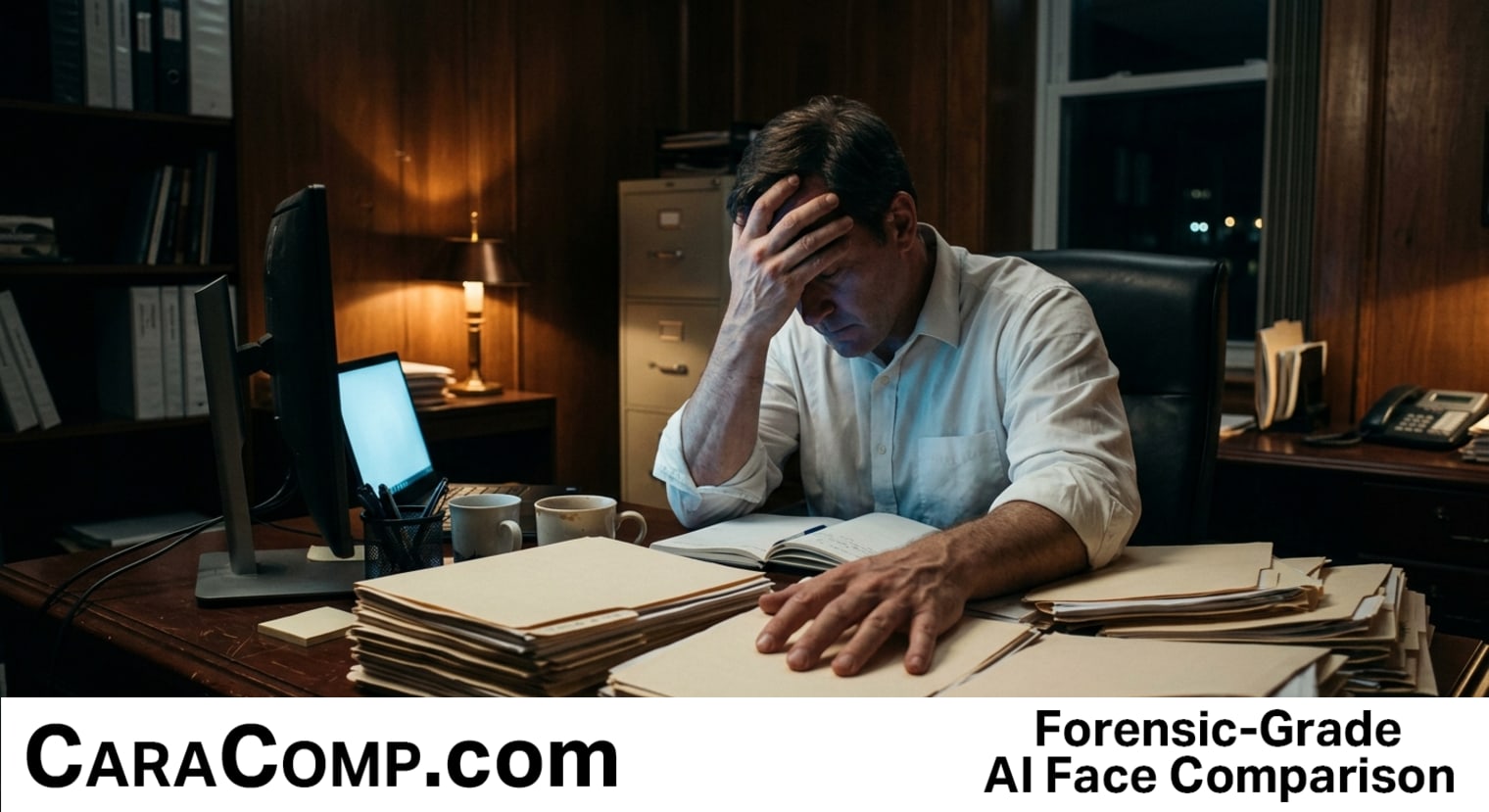
Your face just became a $4,000 revenue stream for the federal government, and they didn’t even send a "thank you" note. A quiet DHS rule change has just weaponized the cost of biometrics, expanding the 9-11 Response and Biometric Entry-Exit Fee to cover routine visa extensions for H-1B and L-1 workers. This isn't just an immigration story; it’s a massive signal about the rising "tax" on identity verification and the escalating value of facial data in professional environments.
While the government is busy reinterpreting old laws to extract thousands of dollars for a simple biometric update, the investigative community is left grappling with the fallout. For solo private investigators and OSINT professionals, this trend highlights a painful irony: the very technology used to identify and verify individuals is becoming a gatekept luxury. When DHS decides that a facial image update is worth $4,000, it reinforces the myth that professional-grade biometric analysis is only for those with massive, government-sized budgets.
At CaraComp, we see this for what it is: a cost-of-entry barrier that keeps smaller firms from playing in the big leagues. Whether you are tracking insurance fraud or conducting deep-web OSINT, the ability to perform high-level Euclidean distance analysis shouldn’t require a federal-sized checkbook. The DHS move proves that identity is the new currency, but it shouldn’t be a currency that bankrupts the investigators doing the real work on the ground. We believe every investigator deserves enterprise-grade analysis without the enterprise-level extortion.
- Identity as a Profit Center: The government is no longer just "verifying" identity; they are monetizing it, setting a precedent that body-based data is a high-value asset that agencies can charge a premium to process.
- The Budgetary Blindside: Firms that didn't account for these massive biometric fee hikes are finding their casework and renewals stalled, proving that staying ahead of tech-policy is now a survival requirement for any modern investigator.
- The Value of Comparison: As the "cost" of a face scan increases at the federal level, the demand for reliable, court-ready facial comparison tools at the private level will skyrocket, widening the gap between tech-savvy firms and those still using manual methods.
The message is clear: if you aren't leveraging affordable, cutting-edge facial comparison technology, you’re letting the gatekeepers win. It’s time for investigators to stop paying enterprise-level premiums for the tools they need to stay competitive in an increasingly expensive biometric landscape. If the government values your data at $4,000, it's time you start using tools that treat your case analysis with the same level of professional gravity.
Read the full article on CaraComp: Your Work Visa Renewal Just Got $4,000 More Expensive — and Nobody Told You


Comments
Post a Comment