Your Real ID Can Still Be Used to Steal $47 Billion — Here's the Check Almost Everyone Skips
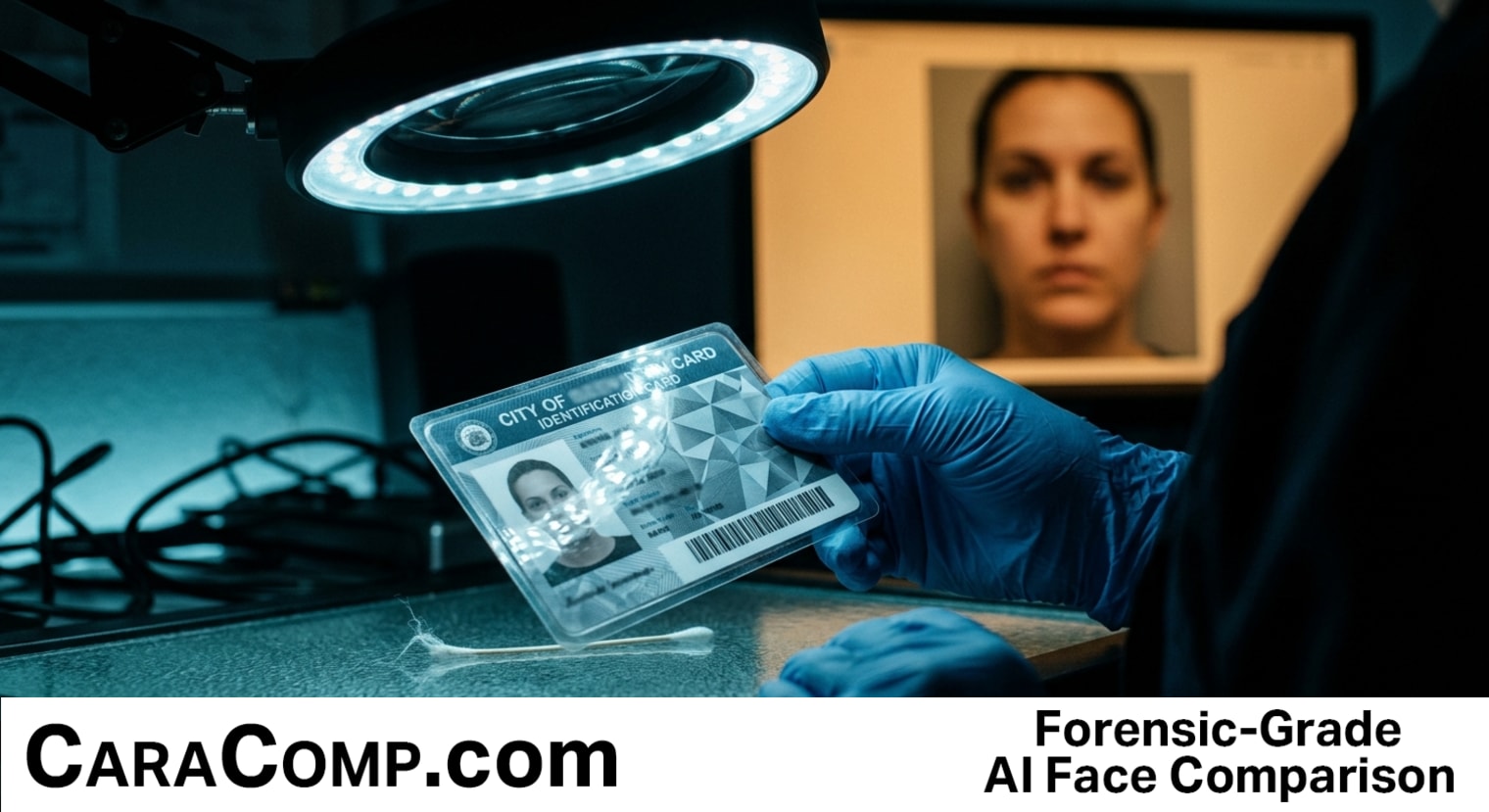
A fraudster can present a completely genuine, unaltered state ID, pass automated digital inspection, and walk away with stolen funds without raising a single red flag. That structural vulnerability is a primary reason identity fraud drained $47 billion from Americans in 2024 alone. The industry's fatal flaw is not sophisticated document forgery—it is the systemic failure to perform biometric binding.
For private investigators, insurance fraud teams, and forensic analysts, this reality exposes a massive operational blind spot. Most standard workflows conflate document authenticity with personal identity. Confirming that a credential possesses correct holograms, uncorrupted barcodes, and proper formatting answers only one question: Is this document genuine? It completely skips the decisive follow-up: Does this credential actually belong to the individual holding it?
Without objective, side-by-side facial comparison, verifying a piece of plastic provides zero proof of identity. Stolen, legitimate credentials regularly pass visual checks and basic onboarding filters because reviewers still rely on manual guesswork or shallow liveness checks. Real investigative precision requires mathematical rigor—pairing document forensics with Euclidean distance analysis to confirm identity matches across case files.
Here are the key takeaways reshaping modern investigation technology:
- Liveness checks create a dangerous illusion of security: Verifying a live human in front of a lens proves physical presence, but it says nothing about whether that person has the right to use the presented identity.
- Document verification is only half the equation: Spotting pixel anomalies, print artifacts, or altered dates protects document validity, but only 1:1 facial comparison conclusively links the subject to the record.
- Manual visual matching is a liability: Subjective photo comparisons leave investigations vulnerable to missed matches and inaccurate findings. Modern case analysis demands dedicated facial comparison software that delivers defensible, court-ready results.
Stopping identity fraud requires treating credentials and biological evidence as two distinct data points that must be mathematically bound. Until investigators deploy accessible, specialized facial comparison across their caseloads, legitimate IDs will remain the fraudster's most powerful weapon.
Read the full article on CaraComp: Your Real ID Can Still Be Used to Steal $47 Billion — Here's the Check Almost Everyone Skips


Comments
Post a Comment