Your Kid's School Is Scanning Their Face. No Law Says It Can.
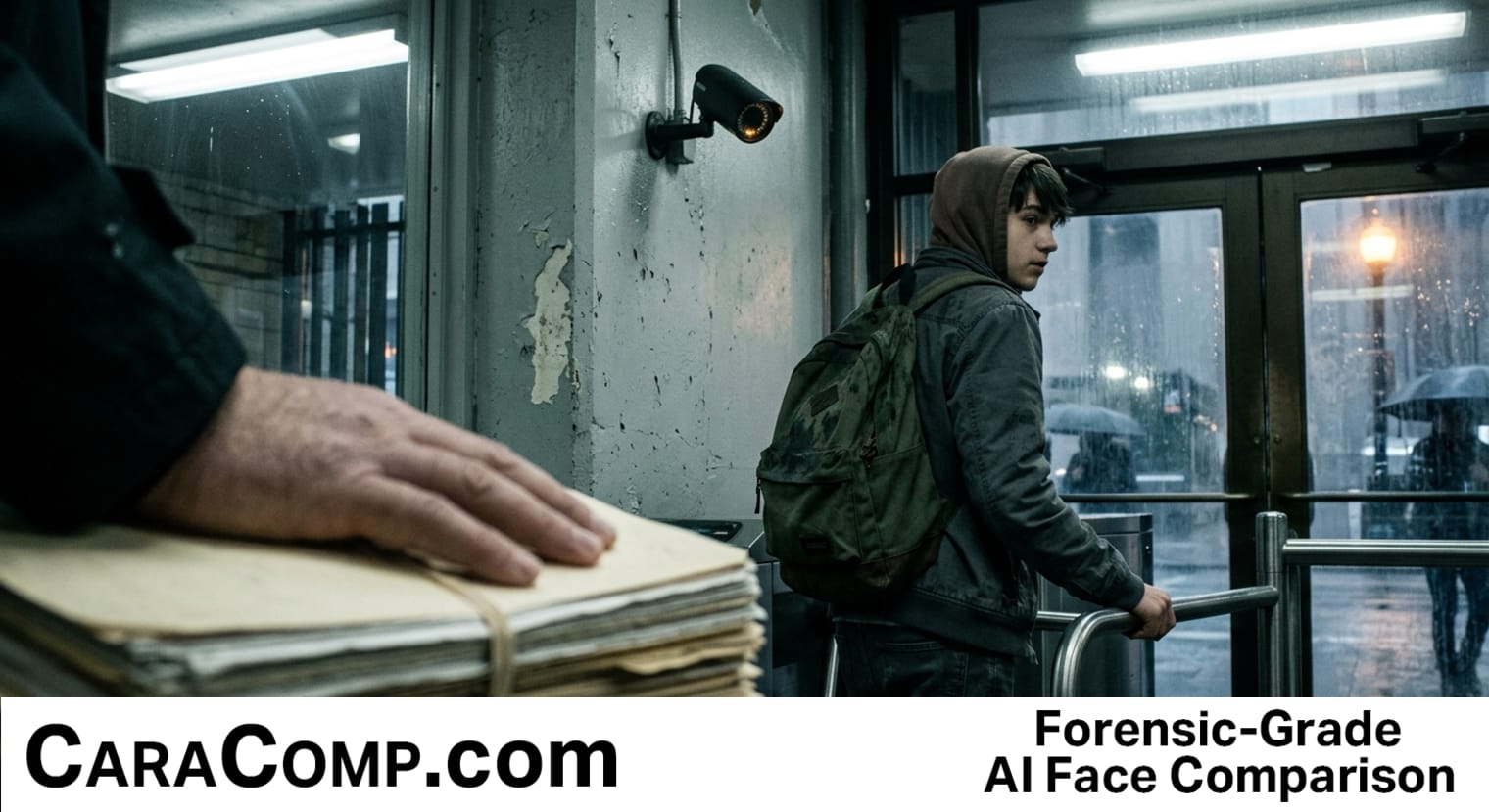
1,700 schools in Brazil are scanning children's faces every single day without a single law on the books to govern how that data is used. This isn't a glimpse into a sci-fi future; it’s a massive regulatory failure happening in real-time. While lawmakers scramble to draft Bill 1225-2026, the technology has already moved into the classroom, proving once again that innovation doesn't wait for a permission slip from the government.
For the professional investigator, this "wild west" deployment is a cautionary tale about the difference between mass scanning and professional facial comparison. There is a massive gulf between controversial crowd-monitoring and the legitimate, side-by-side analysis required for insurance fraud, OSINT, or criminal defense cases. While public agencies are getting heat for scanning children without consent, solo PIs and small firms are often left in the dark, stuck manually comparing case photos for hours because they think enterprise-grade tech is only for federal agencies with six-figure budgets.
This Brazil situation highlights why we need to move past the "surveillance" conversation and focus on investigation technology. When you use Euclidean distance analysis to compare faces in your own case files, you aren't "monitoring" anyone—you are verifying evidence. The problem in Brazil isn't the math; it's the lack of professional standards and human-in-the-loop methodology. As an investigator, your reputation relies on using tools that provide court-ready results, not unreliable consumer search engines that offer zero professional reporting.
- Regulatory lag is a professional liability. When technology outpaces the law, investigators who rely on unvetted, 'consumer-grade' tools risk their reputations on results that lack a scientific basis and won't hold up in a professional environment.
- The "Blocked in Europe, Deployed Abroad" strategy is a warning. If a tool is being used without safeguards, it isn't built for investigators; it's built for data collection. True investigative tools focus on comparison of specific case photos, not scanning every face in a hallway.
- Affordable enterprise tech is the only way forward. Solo PIs shouldn't have to choose between manual labor and $2,000-a-year software. Professional-grade Euclidean analysis must be accessible to the individuals actually closing the cases.
The lesson from Brazil is simple: tech is here, whether the laws are ready or not. If you aren't using professional-grade comparison tools with established analysis methods, you're just guessing. It’s time to stop the manual photo-staring and start using the same tech caliber as the big agencies, at a fraction of the cost.
Read the full article on CaraComp: Your Kid's School Is Scanning Their Face. No Law Says It Can.


Comments
Post a Comment