Your Kid's Fake Birthday Just Died. A Face Scan Is Taking Its Place.
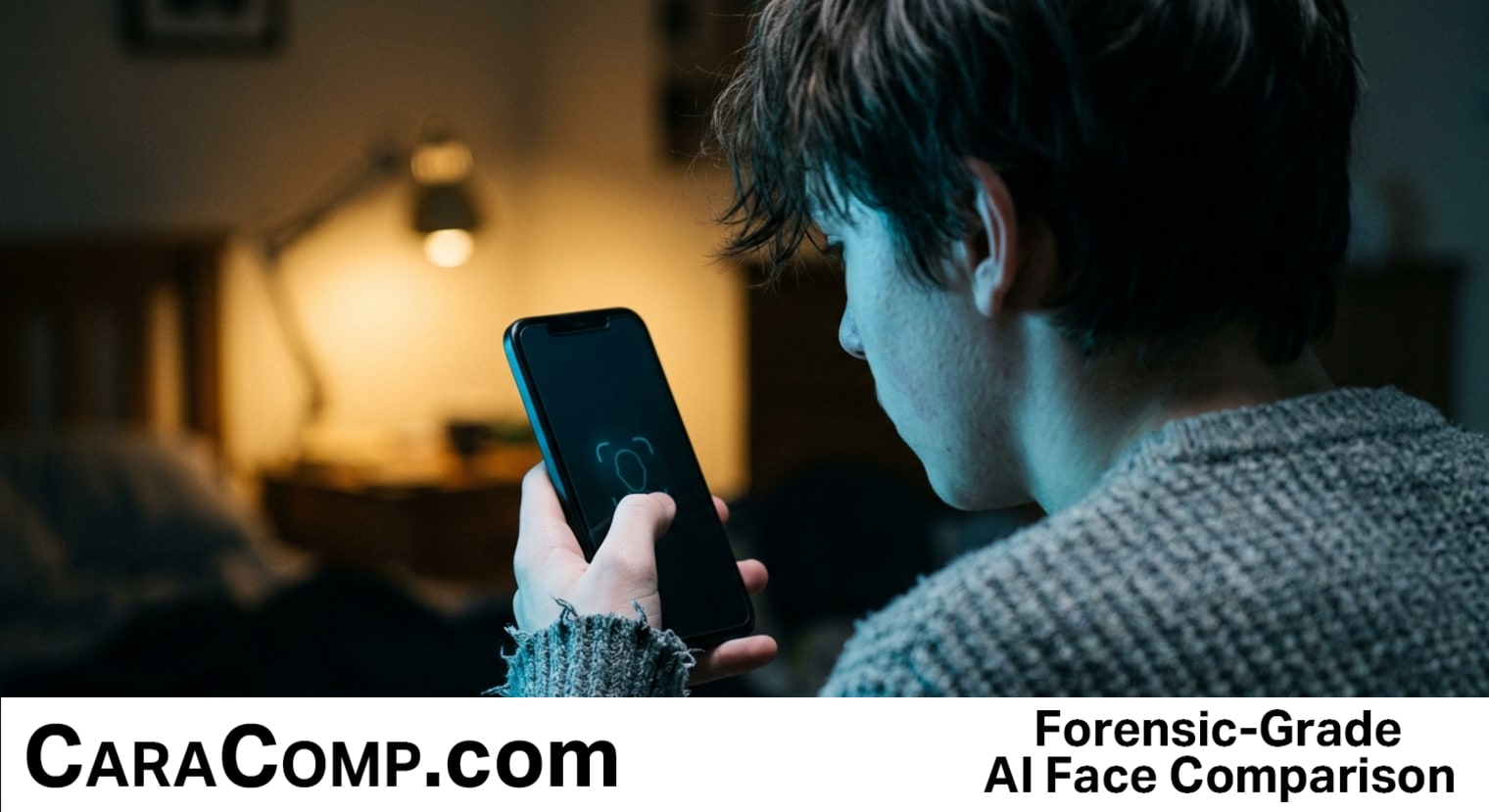
The classic dropdown menu that let teenagers fabricate their birth year for two decades is officially facing execution. TikTok’s staggering $400 million settlement with federal regulators has turned honor-system age verification into an unsustainable legal liability. In its place, major platforms are rapidly deploying biometric estimation—mandating live facial scans just to unlock basic feeds and digital spaces.
This abrupt shift exposes a glaring contradiction across consumer technology. Regulators are forcing companies recently penalized for mishandling minors' data to collect even more sensitive biometric data to prove compliance. But automated age estimation algorithms are notoriously blunt instruments. With average margins of error exceeding a full year around critical legal cutoffs like age 18, consumer apps are betting on probabilistic guesswork to satisfy federal auditors.
For investigators and biometrics professionals, this highlights the profound divide between superficial consumer algorithms and disciplined case analysis. While consumer tech leans on uncalibrated selfies and rough algorithmic guesses, genuine investigative methodology demands structured, 1:1 Euclidean distance facial comparison. Precision, verifiable data points, and evidentiary integrity are non-negotiable when real identities are on the line.
- Biometrics are replacing self-reporting overnight: Document-free facial verification surged 338% year-over-year as regulatory pressure forces platforms away from easily forged birth dates and high-liability government ID repositories.
- Algorithmic estimation carries severe accuracy flaws: Broad predictive models struggle at critical developmental thresholds, creating demographic disparities and reliability gaps that consumer platforms struggle to control.
- The crucial difference between estimation and comparison: While consumer apps rely on loose predictive age guessing, professional investigators depend on rigorous mathematical facial comparison to produce defensible, court-ready results.
As multi-year federal audit requirements take hold, biometric gatekeeping will soon become ubiquitous across digital platforms. The real question is no longer whether platforms will scan faces, but whether users and investigators can trust how that biometric data is processed, verified, and protected after the check is complete.
Read the full article on CaraComp: Your Kid's Fake Birthday Just Died. A Face Scan Is Taking Its Place.


Comments
Post a Comment