Your Face Just Became 512 Numbers — And the Store Doesn't Need Your Name
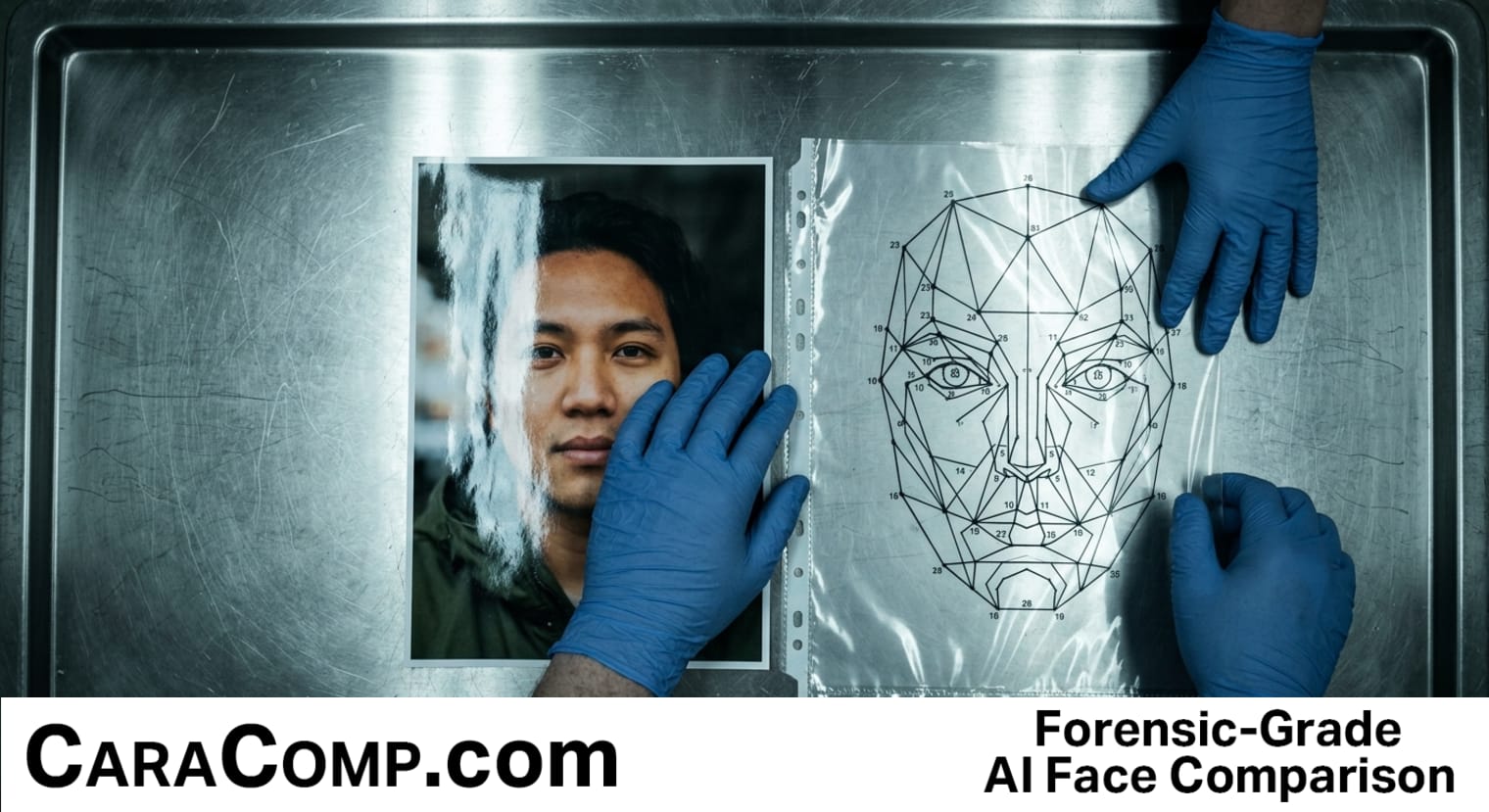
You might think walking into a retail store without showing an ID keeps you anonymous, but your face has already been boiled down to a 512-digit mathematical signature. Recent regulatory shifts in Australia have pulled back the curtain on a reality that seasoned investigators have known for years: a photograph is just a record, but a biometric template is a reusable key. For the modern investigator, this distinction isn't just a legal curiosity—it is the foundation of modern case analysis.
The transition from "looking at photos" to "analyzing Euclidean distance" is what separates the amateur from the elite OSINT professional. While retail giants use these 512-number vectors for loss prevention, the private investigation industry has often been left behind, priced out by enterprise tools that cost thousands of dollars a year. At CaraComp, we see this technological shift as an opportunity for the solo investigator to gain the same analytical upper hand as federal agencies, provided they use the right methodology.
The industry is moving away from simple visual recognition and toward sophisticated facial comparison. When you compare two faces using mathematical landmarks—the depth of a brow ridge or the geometry of a jawline—you aren't just "matching" faces; you are calculating probability. This level of precision is what makes evidence hold up in court and what allows a solo PI to process batch photos in seconds rather than hours.
- Math Replaces Manual Labor: The shift to 512-number templates means investigators can stop squinting at blurry surveillance footage and start relying on Euclidean distance analysis to confirm identities with mathematical certainty.
- The Comparison Standard: There is a critical difference between mass surveillance and professional facial comparison. Investigators who focus on side-by-side analysis of specific case photos avoid the "Big Brother" stigma while delivering higher-quality evidence.
- Enterprise Tech is Localizing: The same biometric precision used by major retailers is finally becoming accessible to small firms, allowing a single operative to handle the data load of an entire department.
For the sharp investigator, the message is clear: if you aren't using mathematical comparison, you're working with one hand tied behind your back. The tools to turn faces into data are no longer exclusive to the giants.
Read the full article on CaraComp: Your Face Just Became 512 Numbers — And the Store Doesn't Need Your Name


Comments
Post a Comment