Your Face, a $100 Drone, and the AI That Never Needed a Pilot
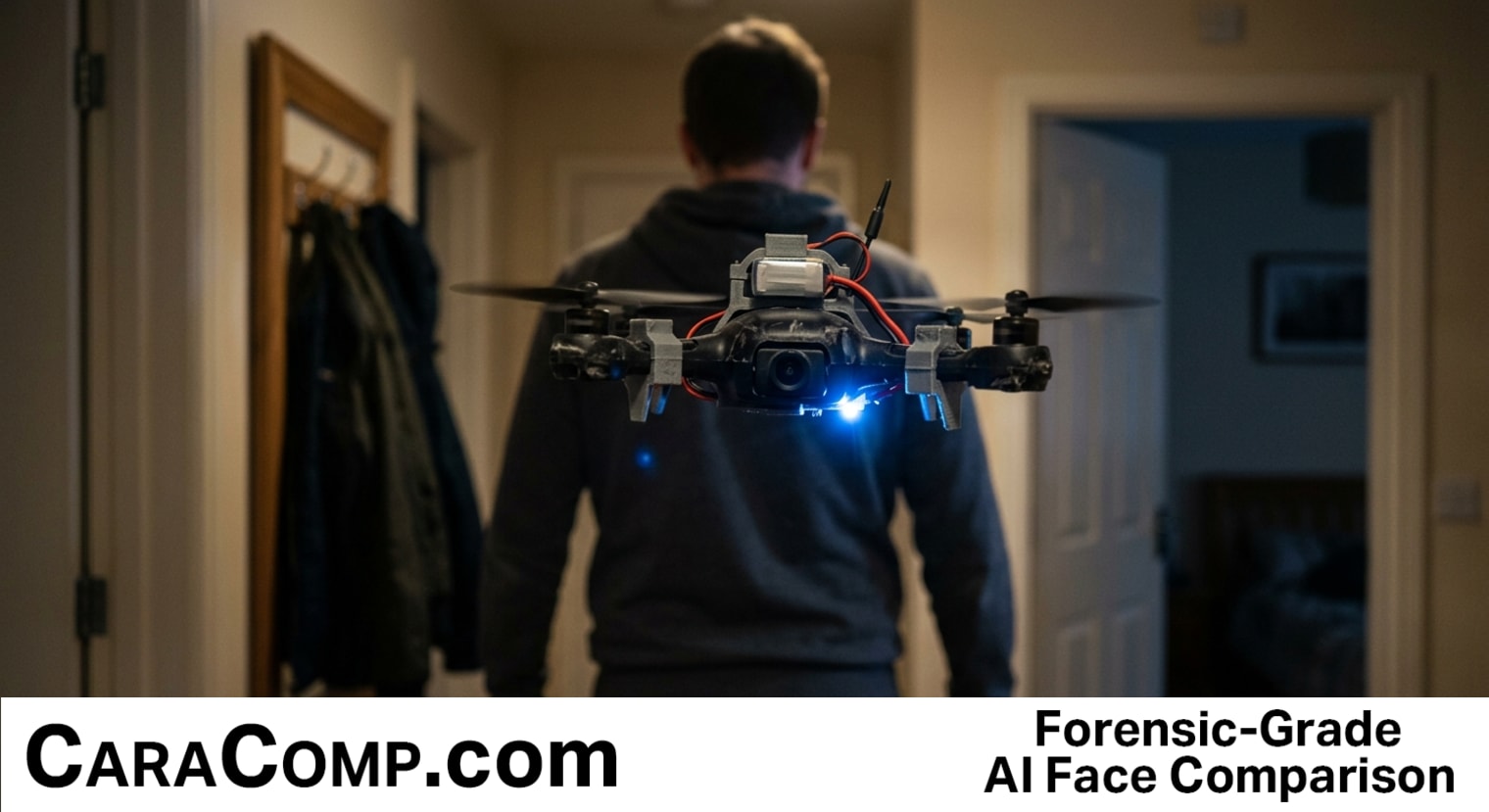
The gatekeepers of biometric technology just lost their keys to a $100 toy and a chatbot. When a consumer-grade drone can be programmed by a non-coder to autonomously follow a subject using facial comparison, the industry’s "expertise wall" hasn't just been cracked—it’s been demolished. For years, enterprise-level analysis was hidden behind five-figure contracts and government-only clearances. That period of exclusivity is officially over.
This isn't a story about hobbyist gadgets; it’s a wake-up call for every private investigator and OSINT professional still relying on manual methods. If a chatbot can generate code to facilitate high-stakes identification for a hundred bucks, there is no longer an excuse for solo investigators to spend three hours squinting at blurry photos. The same Euclidean distance analysis used by federal agencies is now accessible to anyone with a laptop, yet many in our field are still paying an "ignorance tax" by either overpaying for enterprise software or wasting billable hours on manual comparisons.
The shift we are seeing is the democratization of high-end investigation technology. We are moving away from a world where the best tools were reserved for those with the deepest pockets. However, with this accessibility comes a new responsibility. As autonomous identification becomes cheaper, the distinction between a hobbyist with a drone and a professional with a court-ready report becomes even more critical. Professionals need more than just a "match"; they need Euclidean distance analysis that holds up under scrutiny and reporting that looks the part.
- The "Expertise Tax" has officially expired. The barrier to entry for sophisticated facial comparison has hit zero. If you are still paying $2,000 a year for your tech stack, you are subsidizing a legacy model that no longer exists.
- Manual comparison is now a professional liability. When technology can analyze facial features in seconds with higher precision than the human eye, relying on manual "eyeballing" isn't just slow—it's a risk to your reputation.
- Investigation technology must prioritize professional reporting. As these tools become widespread, the value of the investigator shifts from "having the tech" to "interpreting the data" and presenting it in a professional, admissible format.
The playing field has been leveled. The only question left is whether you will lead this shift or be left behind by a $100 drone and a better-equipped competitor. The future of investigation isn't about who has the biggest budget—it's about who has the most efficient workflow.
Read the full article on CaraComp: Your Face, a $100 Drone, and the AI That Never Needed a Pilot


Comments
Post a Comment