You Said Yes to Voice Cloning. Here Are the 4 Words That Actually Protect You.
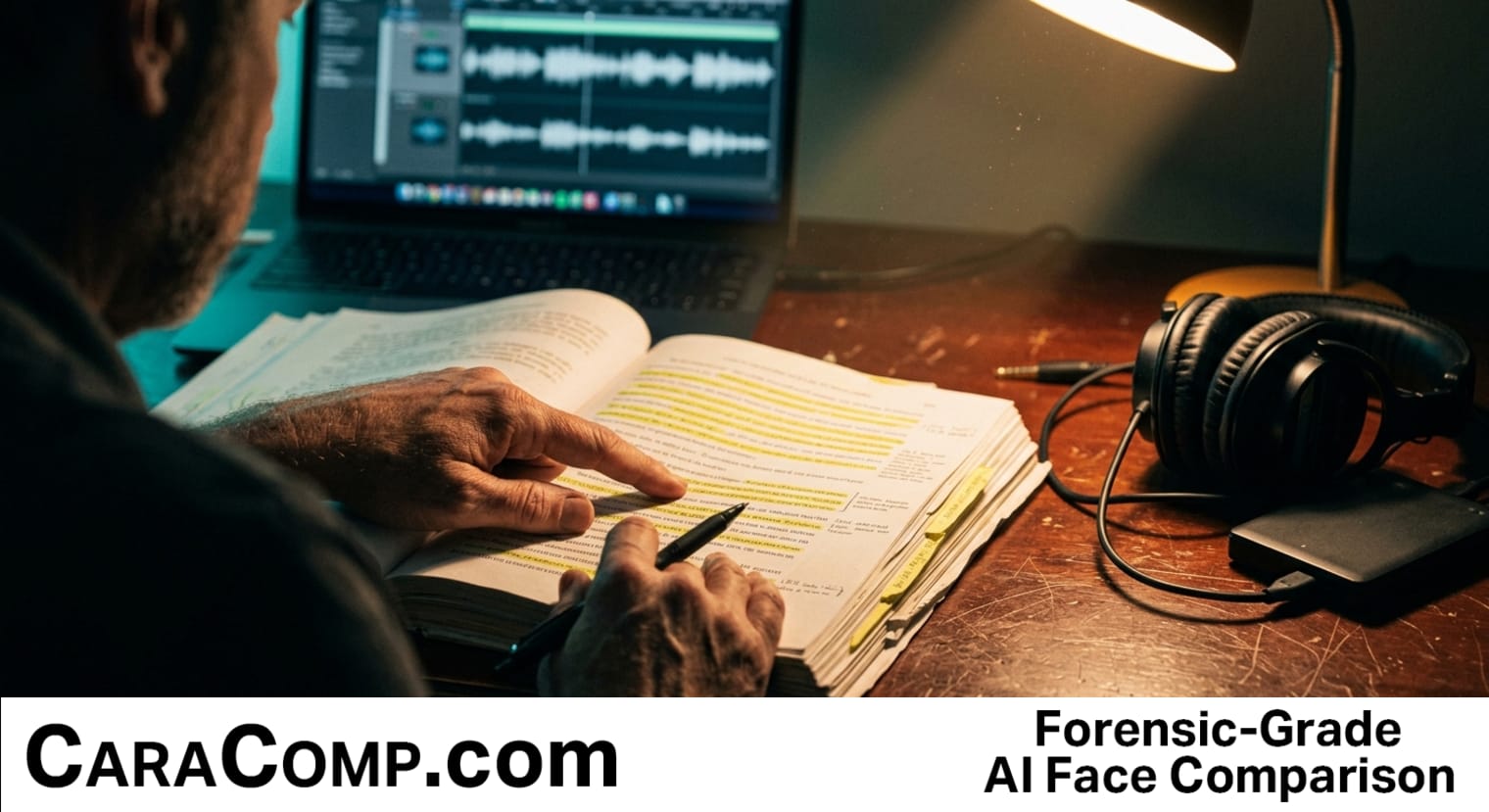
You could hand over the rights to your identity today and spend the next decade trying to buy it back from people you’ve never met. The terrifying reality of AI voice cloning isn’t just the technology itself—it’s the "yes" that never expires. When you consent to a biometric clone without a fence around it, you aren't just signing a contract; you are releasing a digital ghost of yourself into the wild that can work, sell, and speak long after you’ve changed your mind.
For investigators in the OSINT and private investigation space, this isn't just a legal curiosity; it is a preview of the next battlefield in biometric evidence. We’ve seen this script before. Whether it’s a cloned voice or a facial profile, the gap between "I agreed to this" and "I am being exploited" is where modern identity theft lives. As professionals, we have to be the ones who distinguish between the ethical use of technology and the reckless abandonment of biometric boundaries.
At CaraComp, we view this through the lens of facial comparison. The industry often confuses "scanning" with "analysis." Just as voice cloning needs specific "who, where, and how long" limits, facial comparison must be about side-by-side analysis of specific evidence—not the uncontrolled surveillance of the public. The debate over voice consent proves that the market is finally waking up to a truth we’ve championed for years: biometric data requires precise, professional handling, not blanket permissions and enterprise-level price gouging.
- Biometric data is a license, not a waiver: Consent must be treated like a high-stakes real estate lease. If you don't define the scope—specifically the market, platform, and duration—you are essentially giving away your most personal asset for free.
- The "Comparison vs. Recognition" divide is the new ethical line: Investigators must pivot toward tools that focus on Euclidean distance analysis of specific case photos. This mirrors the "specific consent" model in voice cloning by keeping the data tethered to a specific investigative purpose rather than a broad, uncontrolled database.
- Affordability is a protection: When professional-grade biometric tools are locked behind $2,000/year enterprise contracts, solo PIs are forced to use unreliable consumer tools that offer zero reporting or legal standing, further muddying the waters of digital consent.
If you aren't defining the boundaries of your digital self, someone else is already building the walls for you. For the sharp investigator, the goal isn't just to use the latest tech—it’s to use the tech that keeps the evidence clean and the identity protected.
Read the full article on CaraComp: You Said Yes to Voice Cloning. Here Are the 4 Words That Actually Protect You.


Comments
Post a Comment