What Is Digital Identity Verification: 3 Checks, Not One
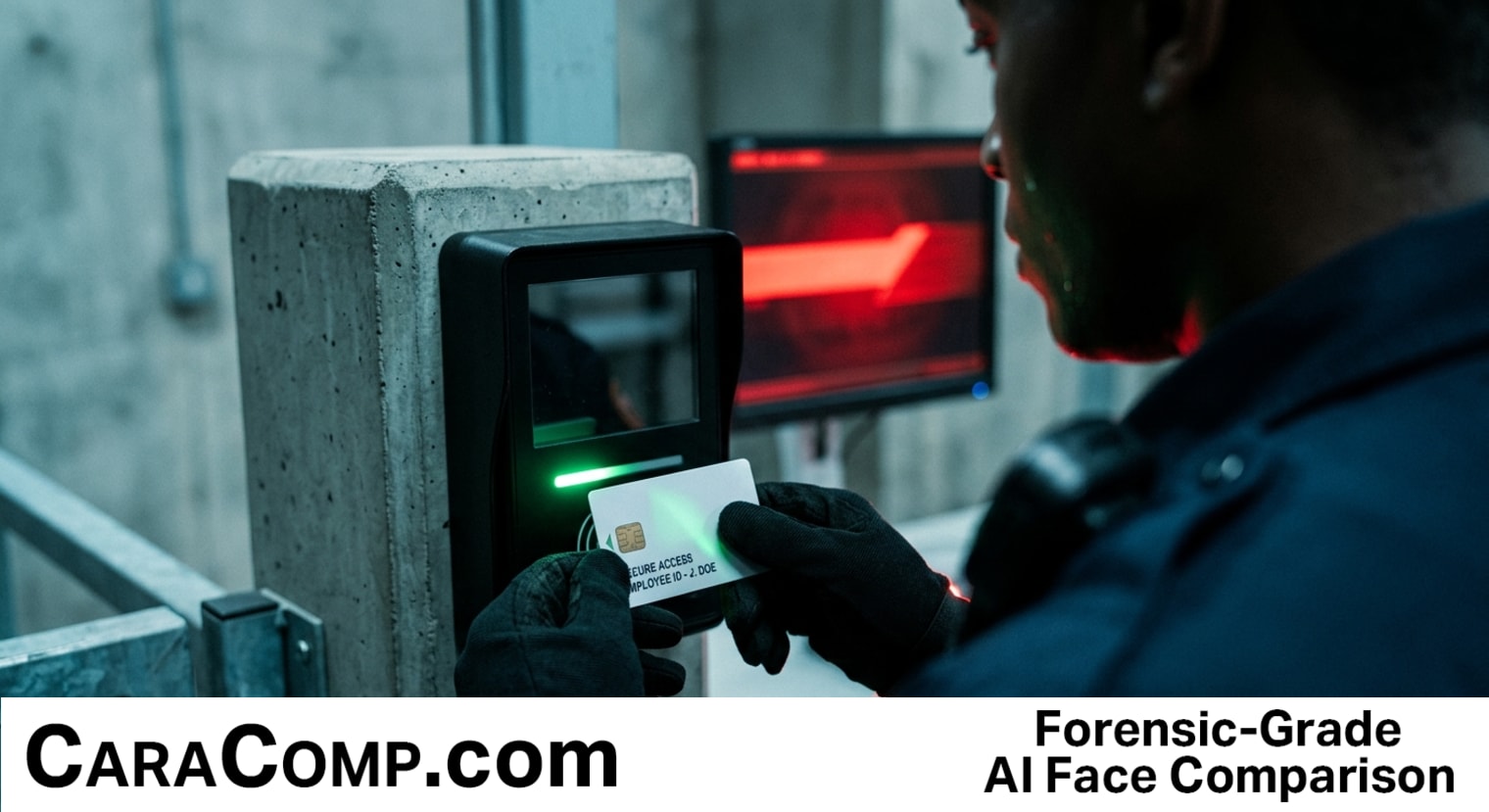
A green checkmark on a screen has fooled the entire security sector into confusing cryptographic validity with actual human truth. A digital credential can boast unbreakable encryption, flawless digital signatures, and genuine issuing authority, yet still represent outright fraud if the person holding it is an impostor. The industry has treated digital identity verification as a single binary switch, ignoring the reality that true verification is a fragile, multi-link trust chain requiring issuer validation, active status checks, and genuine holder authentication.
For private investigators, OSINT researchers, and fraud analysts, the structural flaws exposed across modern verification systems represent a massive operational blind spot. When consumer-grade apps and enterprise onboarding portals cut corners to save time, they conflate a fast document read with verified identity. Facial matching at enrollment only answers whether a face resembles a photo in that exact split second; it does not validate ongoing authority, detect post-issuance revocation, or replace rigorous case analysis.
- Cryptographic strength does not equal rightful identity: An unaltered digital ID proves the document was created legitimately, but without precise, continuous facial comparison, it never proves who is actively using it.
- The origination gap invalidates downstream trust: When credentials are issued through weak verification channels, fraudulent identities become permanently baked into the system, producing false confidence across automated platforms.
- Investigative evidence demands objective comparison: Relying on superficial verification badges in legal proceedings is a massive liability; professional investigations require verifiable, mathematical facial comparison to establish court-ready identity links.
Real investigative integrity does not rely on passive trust chains or black-box verification claims. Modern case work requires moving beyond surface-level checkmarks and applying robust Euclidean distance analysis to compare case photos directly. Until the broader security landscape treats identity verification as a rigorous, multi-layered discipline rather than a convenience feature, investigators must continue independently verifying every piece of visual evidence before presenting findings to clients or courts.
Read the full article on CaraComp: What Is Digital Identity Verification: 3 Checks, Not One


Comments
Post a Comment