"Verify Your Age" Is About to Become the Internet's Most Dangerous Scam
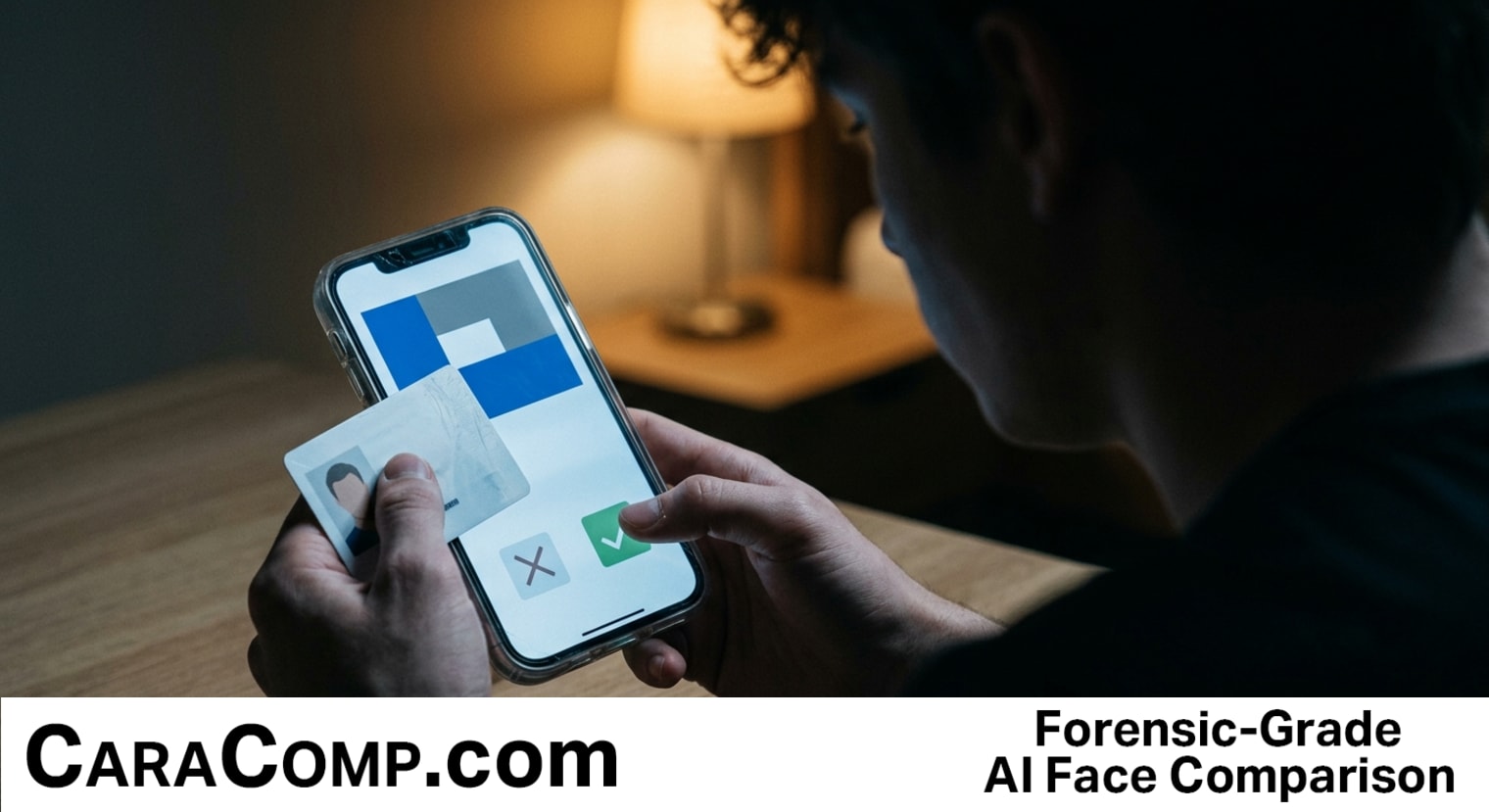
The "click here if you're 18" button is officially dead, and its successor—biometric age verification—is about to become the most lucrative phishing hook in history. As platforms like WhatsApp and global regulators push for mandatory ID uploads and "video selfies" to prove age, we are conditioning users to hand over their most sensitive biometric data without a second thought. For the private investigator and OSINT community, this isn't just a privacy shift; it's a looming explosion in sophisticated identity fraud and profile spoofing.
From the perspective of a tech-savvy investigator, the normalization of these prompts is a double-edged sword. While it purports to protect minors, it simultaneously builds a massive, unregulated "biometric harvest" for bad actors. Once a user is comfortable uploading their face to a routine "verification" screen, the gate is wide open for scammers to collect high-resolution source imagery for deepfakes and account takeovers. We are moving toward a world where a stolen password is a minor inconvenience, but a stolen facial template is a permanent, irreparable compromise.
Solo investigators and small firms are already feeling the heat of this tech shift. When a case involves a suspicious profile, relying on manual photo comparison or unreliable consumer search tools is a professional death sentence. As the "verify your age" wave hits, the amount of "noise" and fake-but-credible digital evidence will skyrocket. Investigators can no longer afford to spend three hours manually squinting at photos. They need to leverage the same mathematical rigor—Euclidean distance analysis—that federal agencies use, but at a price point that doesn't bankrupt a solo practice.
- The Normalization Trap: When biometric prompts become routine, skepticism vanishes, making "face-phishing" the primary method for high-level identity theft and insurance fraud.
- The Evidence Crisis: As scammers harvest more authentic-looking facial data, investigators will need professional-grade facial comparison to distinguish between legitimate subjects and spoofed identities for court-ready reporting.
- Regulatory Backfire: Well-intentioned laws are creating a standardized UI for theft, essentially providing a blueprint for scammers to build perfectly credible fake verification screens that bypass the "gut feeling" of even cautious users.
At CaraComp, we know that as the internet gets more dangerous, the ability to perform precise facial comparison becomes a requirement, not a luxury. The difference between a closed case and a liability often comes down to the math behind the image. Don't let your investigation rely on a "maybe" when enterprise-grade analysis is finally affordable.
Read the full article on CaraComp: "Verify Your Age" Is About to Become the Internet's Most Dangerous Scam


Comments
Post a Comment