TSA's Face Scanner Is "Optional" — But Only 1% of Travelers Are Told
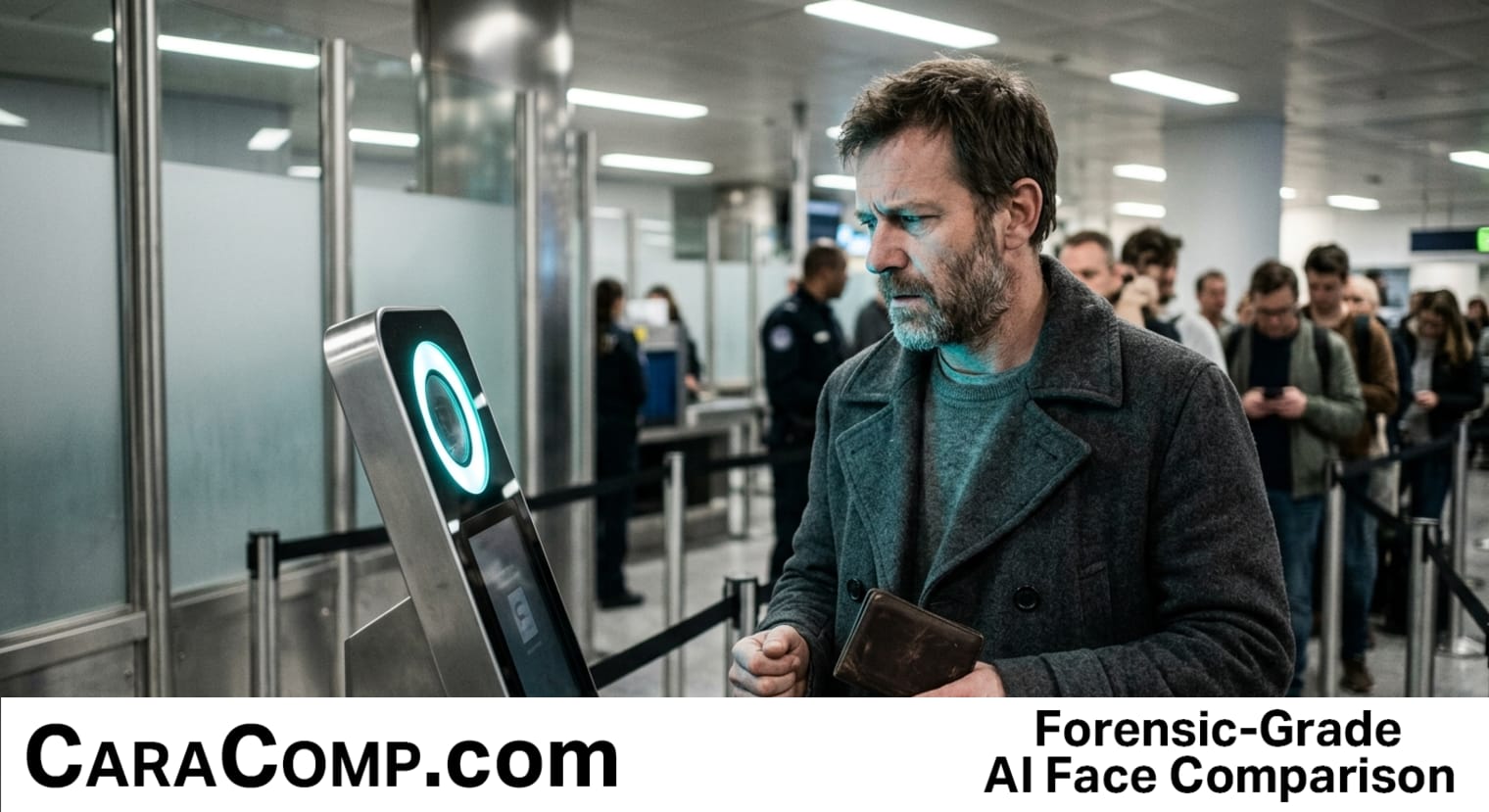
Your face is being harvested at 65+ airports nationwide, and the TSA is betting that you are too tired to ask questions. While the agency maintains that its facial scans are "optional," the reality is that only 1% of travelers are ever verbally informed they can say no. This isn’t a technical glitch; it’s a design choice that prioritizes throughput over informed consent, turning a voluntary biometric program into a default mandate for the exhausted public.
For those of us in the investigation technology field, this lack of transparency is a warning sign. There is a massive difference between mass biometric collection at a checkpoint and the precise facial comparison used by private investigators and OSINT professionals. One is a broad net cast over the public; the other is a forensic tool used to verify identity within a specific case analysis. When the line between these two becomes blurred by government agencies, it creates a "tech fatigue" that makes the public wary of even the most legitimate investigative tools.
As professionals, we rely on Euclidean distance analysis to provide court-ready evidence. We don't need to scan crowds; we need to compare two images to determine if they represent the same individual with scientific certainty. The TSA’s current rollout, however, risks poisoning the well for the entire industry. By failing to disclose the "optional" nature of their scans, they are training the public to view biometrics as an unavoidable intrusion rather than a powerful tool for verification and fraud prevention.
- The normalization of mandatory biometrics: Today’s "optional" scan is the foundation for tomorrow’s requirement. Investigators must be prepared for a future where biometric data is ubiquitous, making high-fidelity facial comparison tools even more critical for filtering through the noise.
- Reliability and reputation: Mass-market government tools have historically shown higher error rates for certain demographics. For a solo investigator, relying on flawed mass-analysis results can ruin a reputation; this is why professional-grade, side-by-side comparison remains the industry gold standard.
- The transparency gap: The failure to inform travelers creates a distrust that investigators must overcome. Using tools that produce professional, transparent reports is the only way to maintain client trust in an era of quiet data collection.
The transition from manual ID checks to automated scans is inevitable, but it shouldn't happen in the shadows. As investigators, we know that the best evidence is gathered with precision and presented with clarity—not harvested from a line of people who didn't know they could walk away.
Read the full article on CaraComp: TSA's Face Scanner Is "Optional" — But Only 1% of Travelers Are Told


Comments
Post a Comment