That Video of Your Boss Asking for Money Won't Glitch Anymore
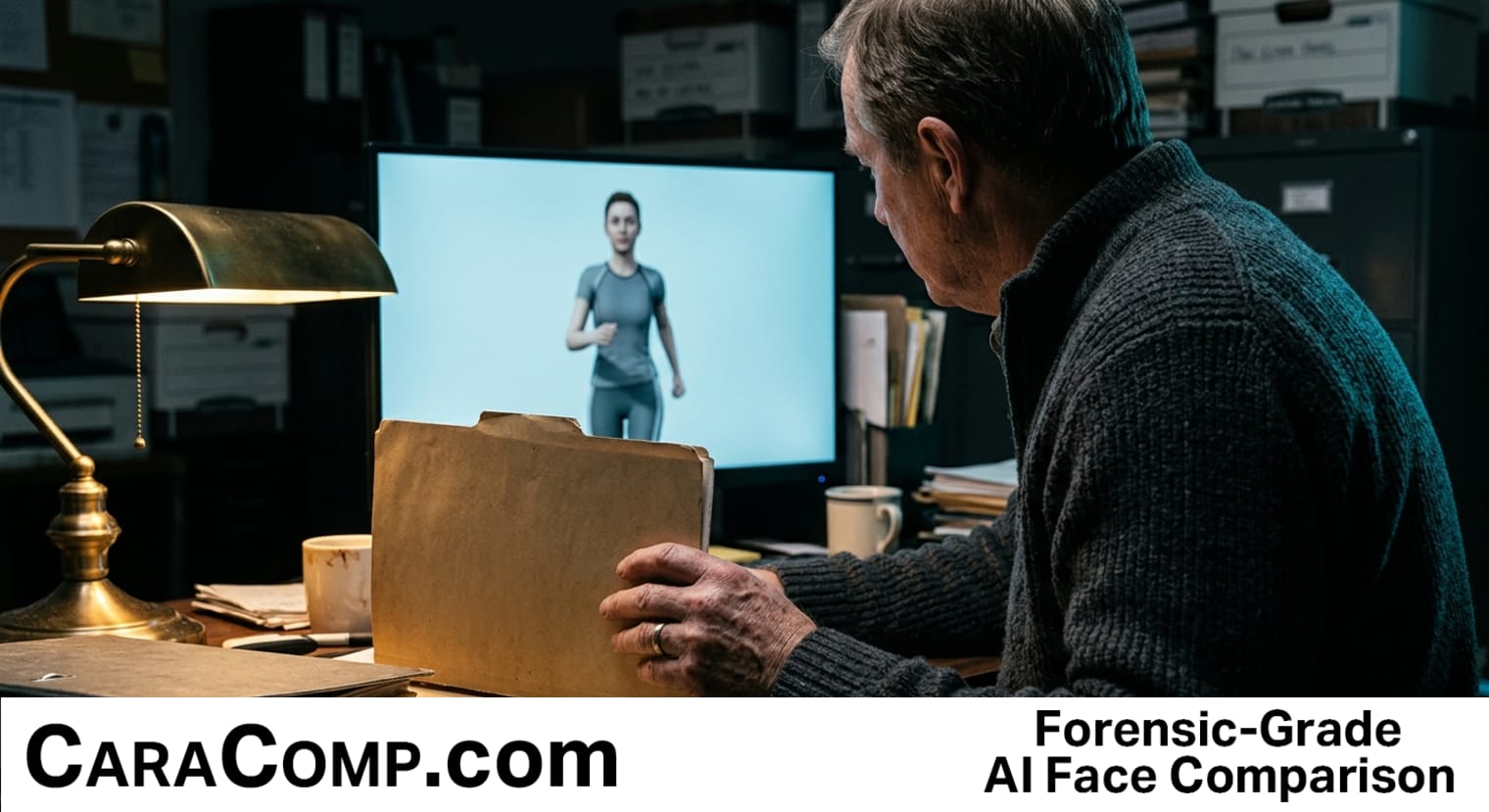
The "eyeball test" for spotting deepfakes just officially died. If your investigative strategy still relies on hunting for telltale visual glitches—warped hands, unnatural blinks, or jittery frame transitions—you are operating on obsolete assumptions.
New continuous video generation architectures like LiveAnimate maintain a persistent memory bank of reference poses, generating smooth, full-body motion in real time without the seams that once gave fakes away. For private investigators, fraud analysts, and OSINT professionals, this is a critical turning point. Visual polish is no longer evidence of authenticity; it is simply proof that someone had access to modern generative tools. When synthetic media volume expands exponentially—surging sixteen-fold in just two years—the human eye becomes an active liability in evidence evaluation.
Investigators cannot counter automated, seamless synthetic generation with casual observation. Navigating this shift requires an immediate upgrade in forensic standards:
- Subjective visual review is now a professional risk: When generative models eliminate drift and frame degradation entirely, relying on human perception to verify video evidence leaves case files dangerously exposed to sophisticated manipulation.
- Mathematical facial comparison must replace visual estimation: Investigators must deploy precise Euclidean distance analysis to compare facial structures against verified source photos rather than trusting video playback at face value.
- Casework requires independent provenance: Surface-level visual inspection proves nothing. Verifiable investigations demand corroborating identity through independent, uncompromised channels and standardized comparison workflows.
The era of treating video as self-authenticating evidence is over. Enterprise-caliber mathematical verification can no longer remain a luxury reserved for government labs with massive budgets. With synthetic deception becoming cheap and accessible, solo investigators and small firms must adopt rigorous, objective facial comparison tools to protect their clients, build court-ready files, and stay ahead of modern fraud.
Read the full article on CaraComp: That Video of Your Boss Asking for Money Won't Glitch Anymore


Comments
Post a Comment