That "Quick Selfie" Verifying Your ID? It's Three Secret Tests — and Most Apps Skip One
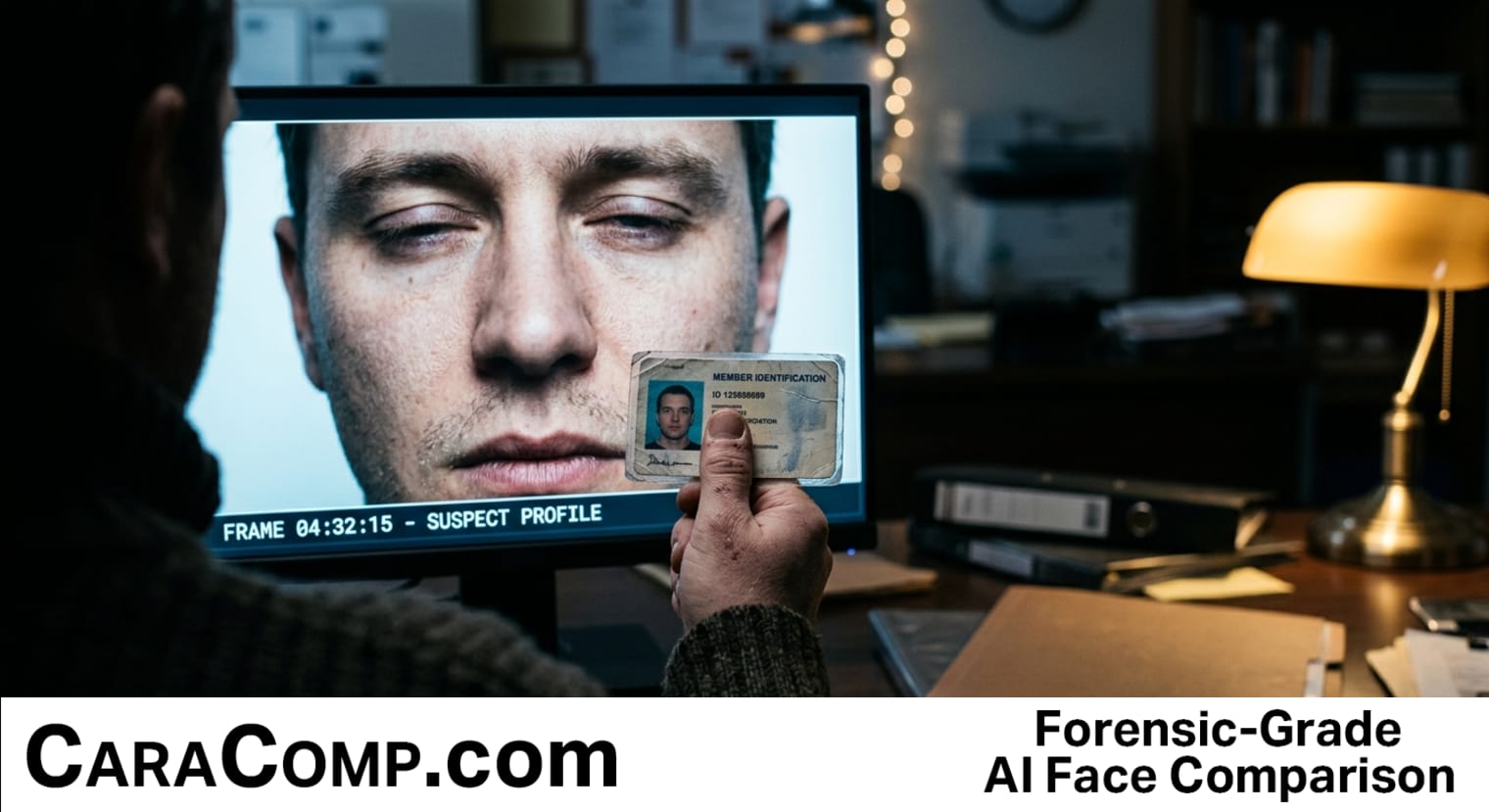
A single financial institution faced over 8,000 deepfake injection attempts in just eight months—proof that the "quick selfie" identity check is currently under industrial-scale siege. While most users think uploading an ID and a photo is a single security gate, it is actually a flawed three-layer process that savvy fraudsters are now circumventing with ease. For the private investigator or OSINT professional, this isn't just a tech trend; it’s a warning that manual visual checks are no longer enough to protect your reputation or your clients' interests.
The gap between a document being "valid" and a person being "real" is where modern insurance fraud and identity theft thrive. Most verification apps focus on document authenticity and basic face matching, but they often stumble on "liveness"—proving that a breathing human is actually behind the lens. When a bank can be hit thousands of times by AI-generated videos, solo investigators can no longer rely on their naked eye or unreliable consumer tools to verify subjects. You need the same Euclidean distance analysis used by enterprise-grade systems to ensure your facial comparison holds up under scrutiny.
The industry is moving toward a future where "looking like" a person isn't the same as "being" that person. As deepfakes become a standard tool for bad actors, the burden of proof for investigators has shifted. You aren't just looking for a match; you are looking for forensic-level certainty that can be presented in a court-ready report. Relying on manual methods or $2,400-a-year enterprise contracts is a choice between inefficiency and bankruptcy.
- The "Selfie Loophole" is the new front line for fraud: Document validity and face matching are easily bypassed by sophisticated AI if liveness detection is weak or absent.
- Manual comparison is a liability: With 8,000+ deepfake attempts at single institutions, human intuition cannot keep pace with synthetic media; investigators need mathematical Euclidean distance analysis to stay credible.
- Affordable tech is mandatory, not optional: High-stakes verification shouldn't require a federal budget. Small firms must adopt professional comparison tools to provide the same caliber of evidence as major agencies.
As the digital identity landscape evolves, the investigators who survive will be those who bridge the gap between "manual guessing" and "algorithmic certainty." Don't let a deepfake be the reason you miss a critical match or lose a case.
Read the full article on CaraComp: That "Quick Selfie" Verifying Your ID? It's Three Secret Tests — and Most Apps Skip One


Comments
Post a Comment