That "Prove You're 18" Pop-Up Is About to Be Everywhere — And Fakes Are Coming for Your Kid's ID
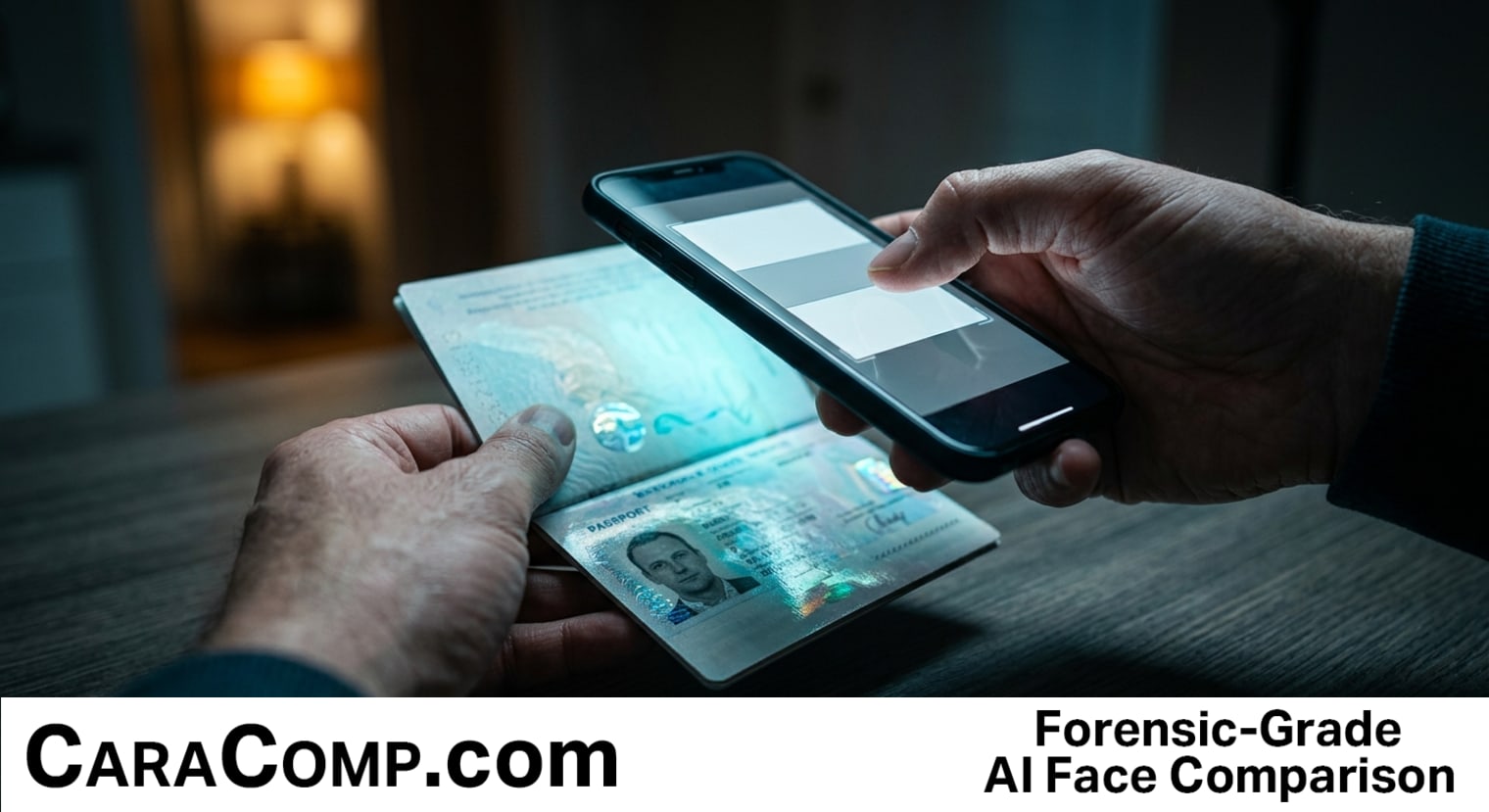
Normalizing digital checkpoints is handing fraudsters the ultimate social engineering playbook on a silver platter. Europe’s rollout of a privacy-preserving age verification app may be engineered with noble intent, but it establishes a dangerous psychological precedent: uncritical user compliance with identity prompts. Once uploading credentials or submitting to biometric checks feels routine, copycat phishing portals and fraudulent verification traps will exploit authority bias at unprecedented scale.
For private investigators, OSINT specialists, and insurance fraud analysts, this shift marks the start of an aggressive new vector in synthetic identity fraud. While legitimate frameworks send minimal cryptographic confirmations, rogue actors will harvest high-resolution document scans, government IDs, and selfie imagery to build weaponized fraud profiles.
When harvested biometric data and counterfeit identification flood digital channels, investigators cannot rely on casual visual inspection or unreliable consumer search tools. Unraveling sophisticated impersonation rings requires objective, mathematical verification. Structured facial comparison—anchored in precise Euclidean distance analysis between authentic records and disputed images—becomes the decisive standard for confirming identity and building court-ready case files.
- Authority bias fuels biometric harvesting: As official age verification prompts become universal, users will instinctively surrender sensitive personal photos and identity documents to fraudulent replica sites without hesitation.
- Caseloads for fraud investigators will spike: Stolen ID credentials paired with harvested biometric images will power advanced identity theft schemes, requiring private investigators to dismantle increasingly complex digital disguises.
- Precision facial comparison is mandatory: Fighting modern identity fraud demands scientific, side-by-side image comparison to definitively confirm or eliminate suspect identities across case evidence rather than relying on manual guesswork.
The line between legitimate verification protocols and predatory harvesting schemes is blurring fast. As illicit operations exploit the appearance of routine compliance, investigators must deploy rigorous analytical tools to separate authentic subjects from identity thieves before compromised credentials cause irreversible damage.
Read the full article on CaraComp: That "Prove You're 18" Pop-Up Is About to Be Everywhere — And Fakes Are Coming for Your Kid's ID


Comments
Post a Comment