That Job Form Asked About Your Mom's Health. In Illinois, That's a $15,000 Question.
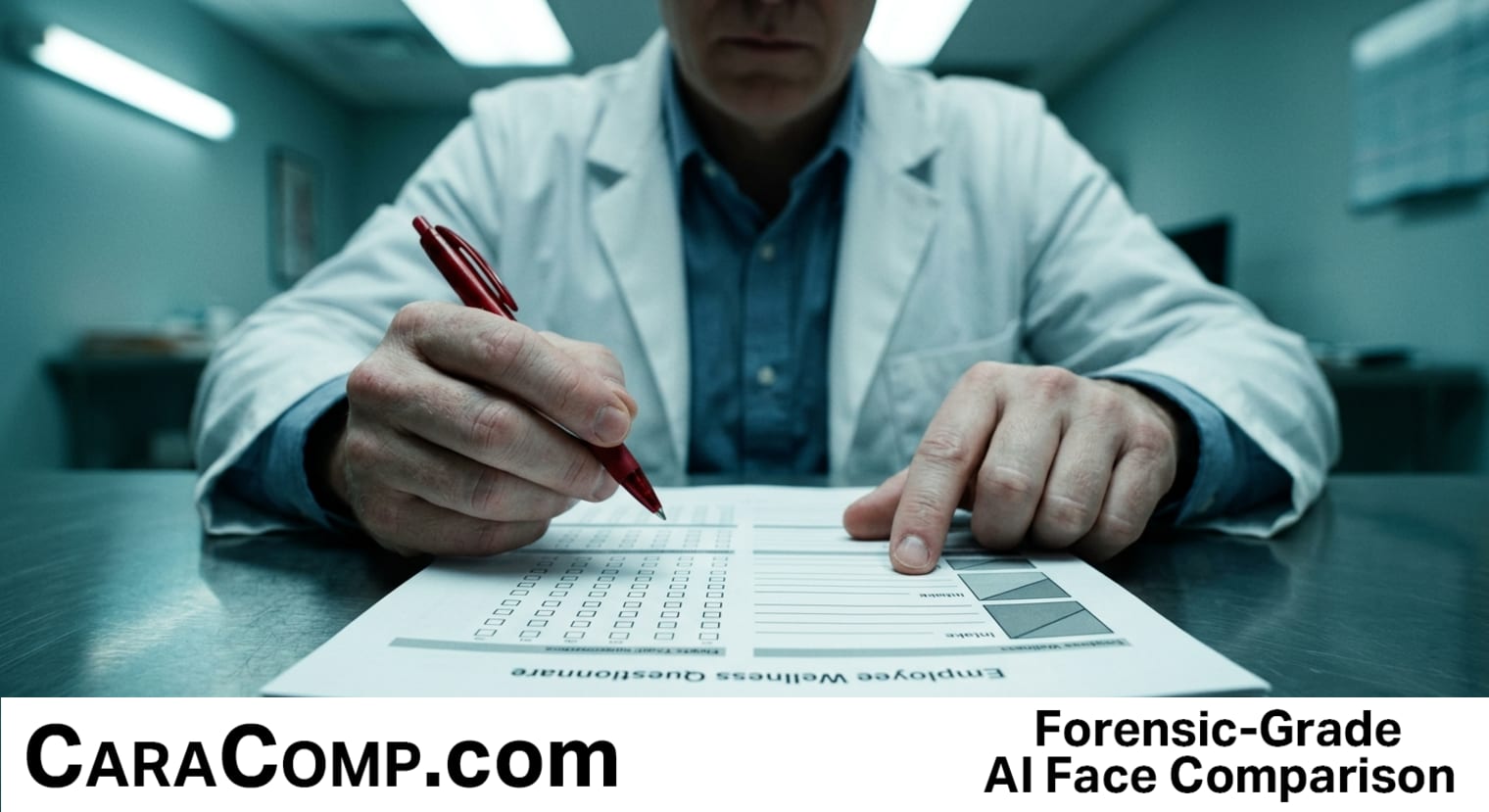
A routine checkbox on a standard job application could cost an employer up to $15,000 per applicant—even if no candidate suffered actual financial harm. As plaintiffs' attorneys shift their crosshairs from biometric fingerprint clocks to Illinois’s Genetic Information Privacy Act (GIPA), corporate compliance is facing another costly reckoning. Asking about a parent’s medical history during routine onboarding is no longer harmless HR administrative paperwork; it is massive statutory liability waiting to explode.
For private investigators, risk analysts, and corporate intelligence professionals, this litigation surge carries an unmistakable lesson: the legal framework governing personal identifiers, biometrics, and sensitive health records has permanently shifted. When statutory penalties reach $2,500 for negligent inquiries and $15,000 for reckless violations without requiring proof of direct injury, every piece of personal data handled across an organization becomes a potential courtroom exhibit.
The sudden enforcement wave surrounding genetic and biometric information reveals critical realities for modern investigations:
- Statutory liability eliminates the need to prove damage: Similar to biometric privacy laws, GIPA claims do not require proof of workplace discrimination or actual loss. Simply collecting, requesting, or improperly managing protected personal data triggers instant per-violation penalties across entire employee classes.
- The line between broad data collection and case-specific analysis is hardening: Courts and regulators are penalizing passive, indiscriminate data harvesting. Professional investigation workflows must maintain strict boundaries, emphasizing controlled, case-relevant datasets over broad-scale information gathering.
- Defensible documentation is mandatory for case survival: As privacy litigation expands beyond Illinois into nationwide courtrooms, investigators examining fraud and corporate misconduct must generate transparent, court-admissible records that withstand intense statutory scrutiny.
The legal liabilities that caught employers flat-footed over biometric time clocks are rapidly migrating into broader privacy domains. Relying on outdated data handling procedures or unchecked intake forms is a liability no serious firm can afford.
Read the full article on CaraComp: That Job Form Asked About Your Mom's Health. In Illinois, That's a $15,000 Question.


Comments
Post a Comment