That Green "Verified" Checkmark? Some Accounts Opened With Just One Letter
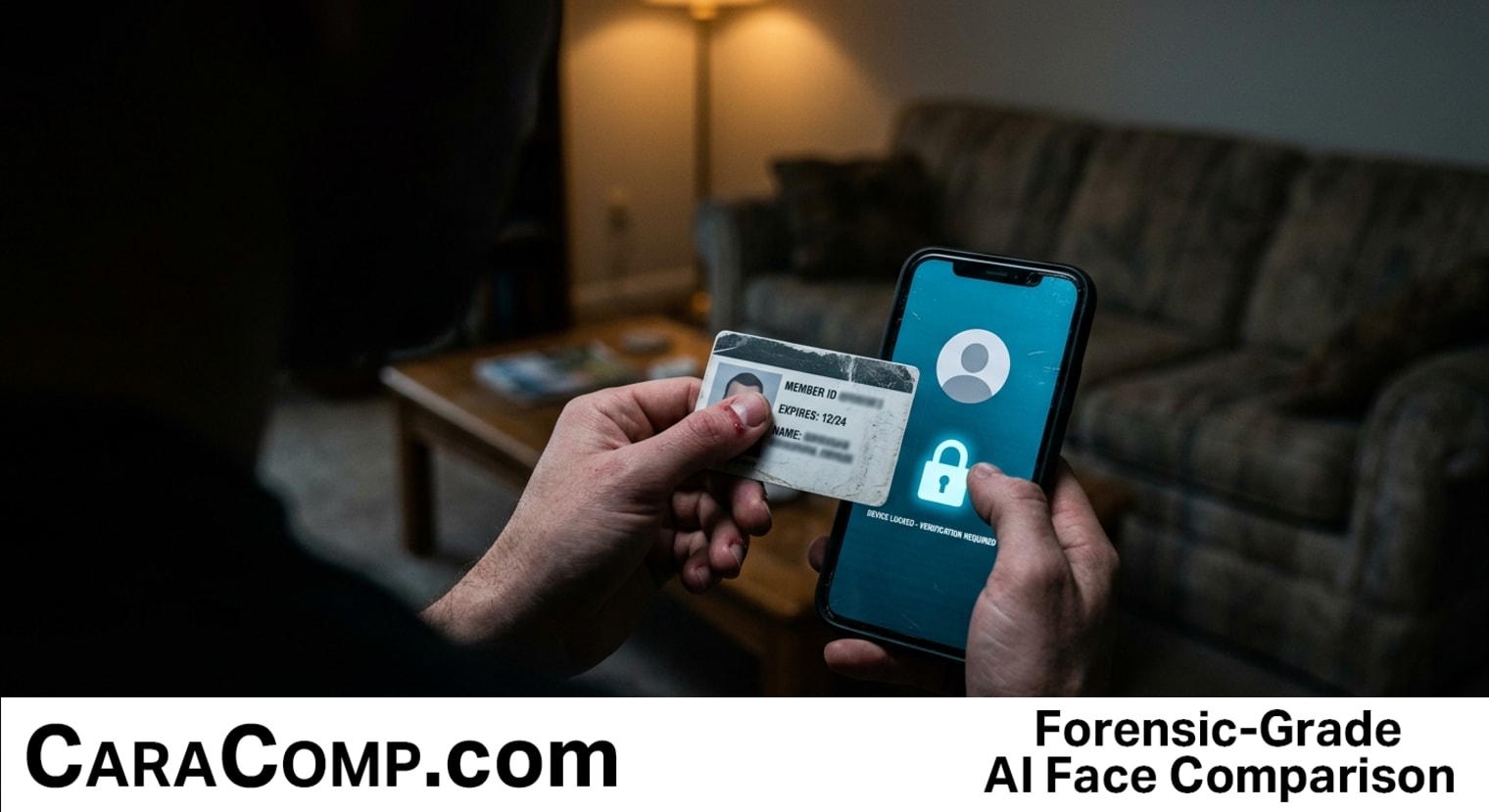
A single initial and an office building address were all it took to get a "verified" badge on platforms handling millions in deposits. When the UK Gambling Commission audited financial risk records, they exposed an open secret: platforms have been quietly accepting nicknames, single letters, and commercial addresses at sign-up, relying on loose "fuzzy matching" algorithms just to keep onboarding frictionless. More than 25% of all complaints to the regulator now stem directly from these identity verification failures.
For private investigators, OSINT analysts, and fraud specialists, this is a glaring confirmation of what practitioners have known for years: alphanumeric identity verification is fundamentally broken. When platforms prioritize onboarding speed over verification integrity, they leave a massive paper trail of synthetic profiles and identity gaps that investigators are inevitably hired to untangle.
Text fields are trivial to manipulate. Anyone can submit a misspelled name or an unverified address to bypass text filters. True verification cannot rely on digital checkmarks issued by third-party onboarding forms. In modern fraud and financial crime cases, building an airtight investigation requires rigorous visual case analysis. Establishing whether a subject is truly who they claim to be demands objective tools—such as Euclidean distance analysis to compare submitted IDs against real-world photo evidence side by side.
Here is what this regulatory breakdown means for modern case investigations:
- "Verified" status is no longer credible evidence: Front-end platforms routinely compromise identity checks for convenience. Investigators cannot take third-party verification at face value and must independently verify subjects.
- Visual evidence outweighs digital paper trails: Text-based data can be faked across multiple accounts, but objective facial comparison provides the mathematical certainty needed to tie disparate accounts to a single individual.
- Court-ready analysis requires higher standards: As regulatory scrutiny mounts over sloppy identity checks, investigators who utilize precise, repeatable facial comparison methodology will deliver far more defensible results in court.
Read the full article on CaraComp: That Green "Verified" Checkmark? Some Accounts Opened With Just One Letter


Comments
Post a Comment