That Annoying "Verify Again" Text? It's Catching Fraudsters Using Real ID Numbers
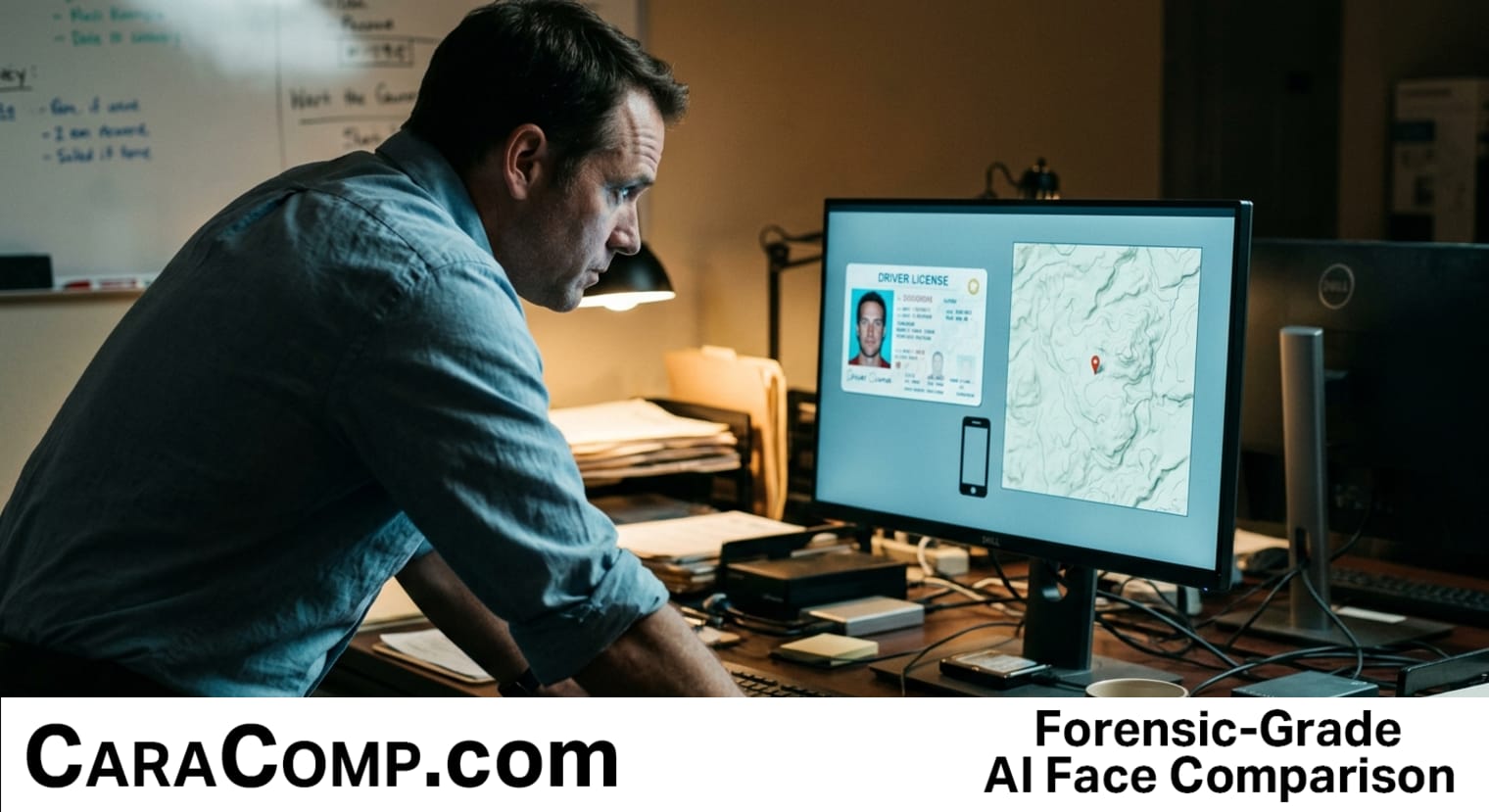
Nearly a quarter of synthetic identity fraud schemes do not even bother forging government ID numbers—they use real, legitimate credentials stapled to fabricated personas. When 23% of synthetic profiles carry genuine government documentation, the old model of asking "does this ID document look real?" is officially dead. Fraudsters have weaponized generative tools, turning standard visual checks into an easy gateway for illicit activity.
For private investigators, insurance SIU teams, and detectives, this shift alters the entire investigative landscape. With deepfakes already penetrating single-layer security checks at a 14% rate, relying on manual photo eyeballing or basic document verification is an enormous operational risk. When synthetic profiles carry authentic numbers, superficial visual reviews cannot protect your clients or your professional reputation.
The industry's rapid move from static checks to continuous identity intelligence highlights several critical implications for modern case analysis:
- Single-point verification has collapsed: Fraud rings routinely exploit static, one-time checks. Modern investigations require continuous identity analysis and cross-referencing multiple data points across an entire case file rather than trusting a single document.
- Objective facial comparison is essential: Eyeballing faces across case photos manually wastes hours and invites critical errors. Investigators need precise Euclidean distance analysis to mathematically establish undeniable biometric links between disparate case photos.
- Layered intelligence creates court-ready proof: A visual match is just one piece of the puzzle. Combining rigorous, batch facial comparison data with contextual case evidence provides the professional documentation judges and clients demand.
The reality is clear: fraud has evolved into an AI-driven enterprise, and investigative methodology must evolve alongside it. Investigators who rely on manual comparison techniques risk missing critical matches and falling behind tech-forward peers. Adopting accessible, enterprise-grade facial comparison software is no longer a luxury—it is the baseline for closing cases quickly and accurately.
Read the full article on CaraComp: That Annoying "Verify Again" Text? It's Catching Fraudsters Using Real ID Numbers


Comments
Post a Comment