Texas Deepfake Law: One School Photo Is Now Enough
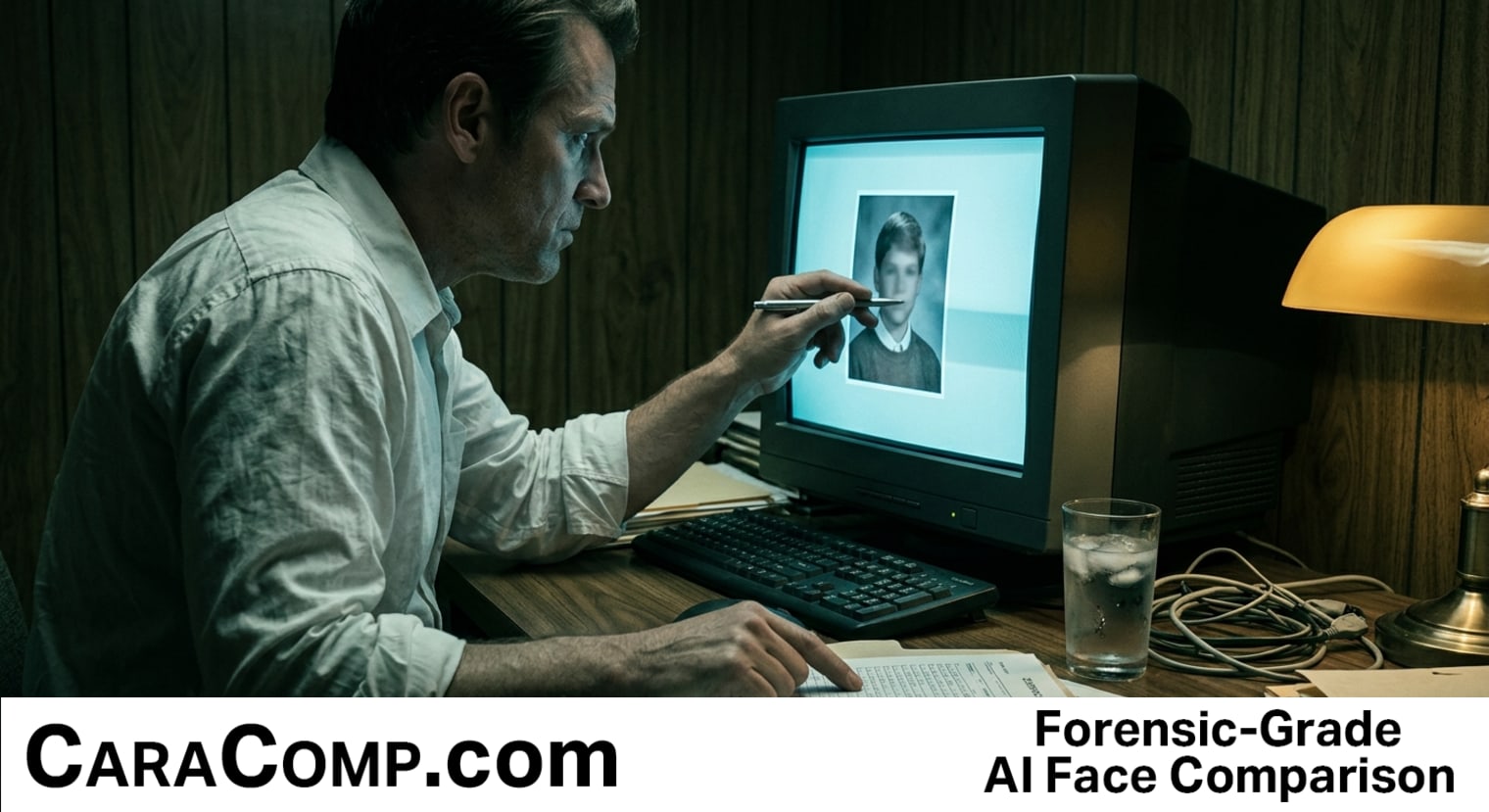
"It felt like X-ray vision." When an accused perpetrator in a student deepfake trial casually explained to police how he turned ordinary school photos into manipulated media, he laid bare the reality confronting digital forensics: bad actors need nothing more than a single public yearbook picture to manufacture synthetic content in seconds.
The legal framework is moving rapidly to close the gap. Texas deepfake law and emerging statutes worldwide are establishing that intentionally creating or distributing AI-generated sexual material using a real person's likeness is a serious offense—regardless of whether a physical incident ever occurred. But while lawmakers draft new penalties, the real operational challenge has moved directly into the courtroom.
Judges are already rejecting vague assertions that digital evidence "might be an AI fake." Legal teams and investigators must substantiate claims with rigorous, objective documentation. This shift changes the evidentiary baseline for private investigators, digital forensics experts, and case analysts handling sensitive image data.
- The barrier to weaponization has dropped to zero: A standard school portrait or athletic roster now provides sufficient input for generative models, rendering manual visual inspection unreliable for authenticating contested media.
- Court admissibility demands mathematical verification: Proving or disproving whether a specific individual appears in compromised media requires verifiable Euclidean distance analysis, establishing precise geometric facial comparisons rather than subjective human guesswork.
- Chain of custody and structured reporting decide case outcomes: Because synthetic generation often strips or falsifies file metadata, investigators must rely on professional, court-ready facial comparison reports that document side-by-side biometric metrics under scrutiny.
The days of relying on manual photo comparison or unreliable consumer search engines are over. As statutory protections expand across multiple states, investigators equipped with precise, repeatable facial comparison methodology will set the standard for digital evidence in modern litigation.
Read the full article on CaraComp: Texas Deepfake Law: One School Photo Is Now Enough


Comments
Post a Comment