Scanner Says No: The Voting Nightmare Nobody's Planning For
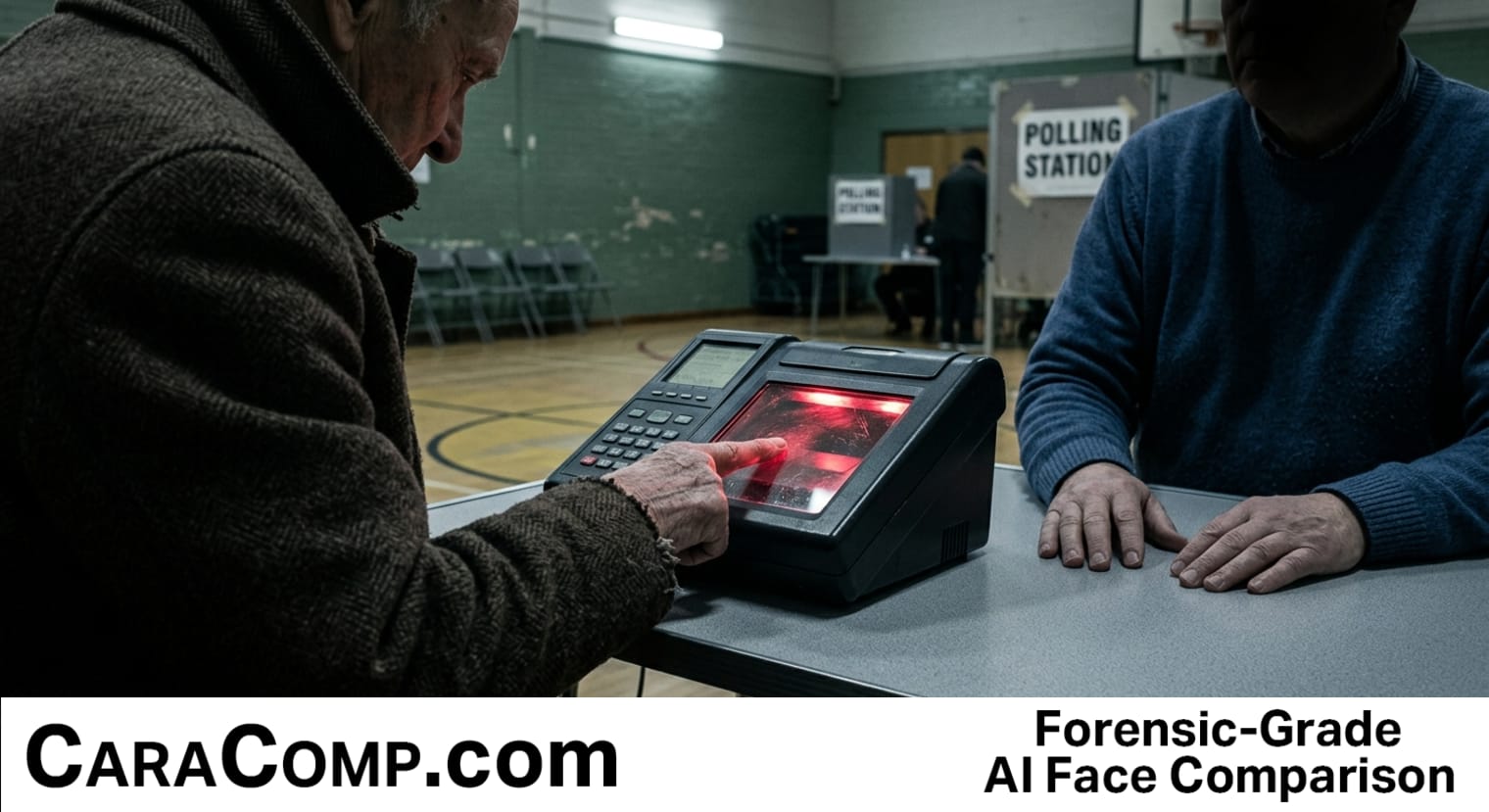
Bosnia is betting the integrity of its democracy on biometric hardware scheduled to arrive just twelve days before the polls open. For any investigator who has ever staked a case on a facial match, this isn't just a logistical hurdle—it’s a catastrophic failure of methodology waiting to happen. While election officials chase the "modernization" dragon, they are ignoring the one metric that actually matters: the false reject rate.
In the world of professional investigation, we know that technology is only as good as its fallback. Historical data from similar biometric rollouts in Ghana showed verification machines breaking down in nearly 20% of polling stations. When a scanner fails to recognize a legitimate voter due to lighting, humidity, or hardware fatigue, it isn't just a technical glitch; it is a denial of a fundamental right. For solo private investigators and OSINT professionals, this scenario mirrors the danger of relying on "black box" consumer tools that offer zero transparency in their comparison logic.
At CaraComp, we distinguish between scanning crowds and professional facial comparison. The former, as seen in the Bosnian election model, is often a rushed, enterprise-level experiment prone to high error rates. The latter is a precise investigative process using Euclidean distance analysis to compare known images under controlled conditions. When governments rush biometrics, they often skip the "civic education" and human-fallback protocols that ensure accuracy. If your investigative tool has a 2.4/5 reliability rating or lacks court-ready reporting, you are effectively running a Bosnian-style election with your client's budget—guessing rather than proving.
Key implications for the biometric and investigative industry:
- Rushed deployments are a liability: Implementing biometric identification without a rigorous, months-long testing phase leads to "false rejects," which can destroy public trust in AI-driven identification systems.
- The "Fallback" is the real product: Any biometric system—whether for voting or insurance fraud investigation—is only as strong as its manual verification process. High-stakes identification requires professional-grade Euclidean distance metrics, not just "yes/no" scanner logic.
- Accuracy over novelty: For investigators, the lesson is clear: enterprise-grade analysis must be accessible and reliable. Relying on unvetted scanners or consumer-grade apps creates "compound problems" that are impossible to defend in a professional setting.
The Bosnian experiment serves as a warning. Whether you are verifying a voter or identifying a subject in a fraud case, the tool you use must provide more than just a scan; it must provide a defensible, professional-grade comparison that holds up when the "system" inevitably goes down.
Read the full article on CaraComp: Scanner Says No: The Voting Nightmare Nobody's Planning For


Comments
Post a Comment