One Password Now Unlocks Your Taxes, Health Records, and Vote. What Happens When It's Stolen?
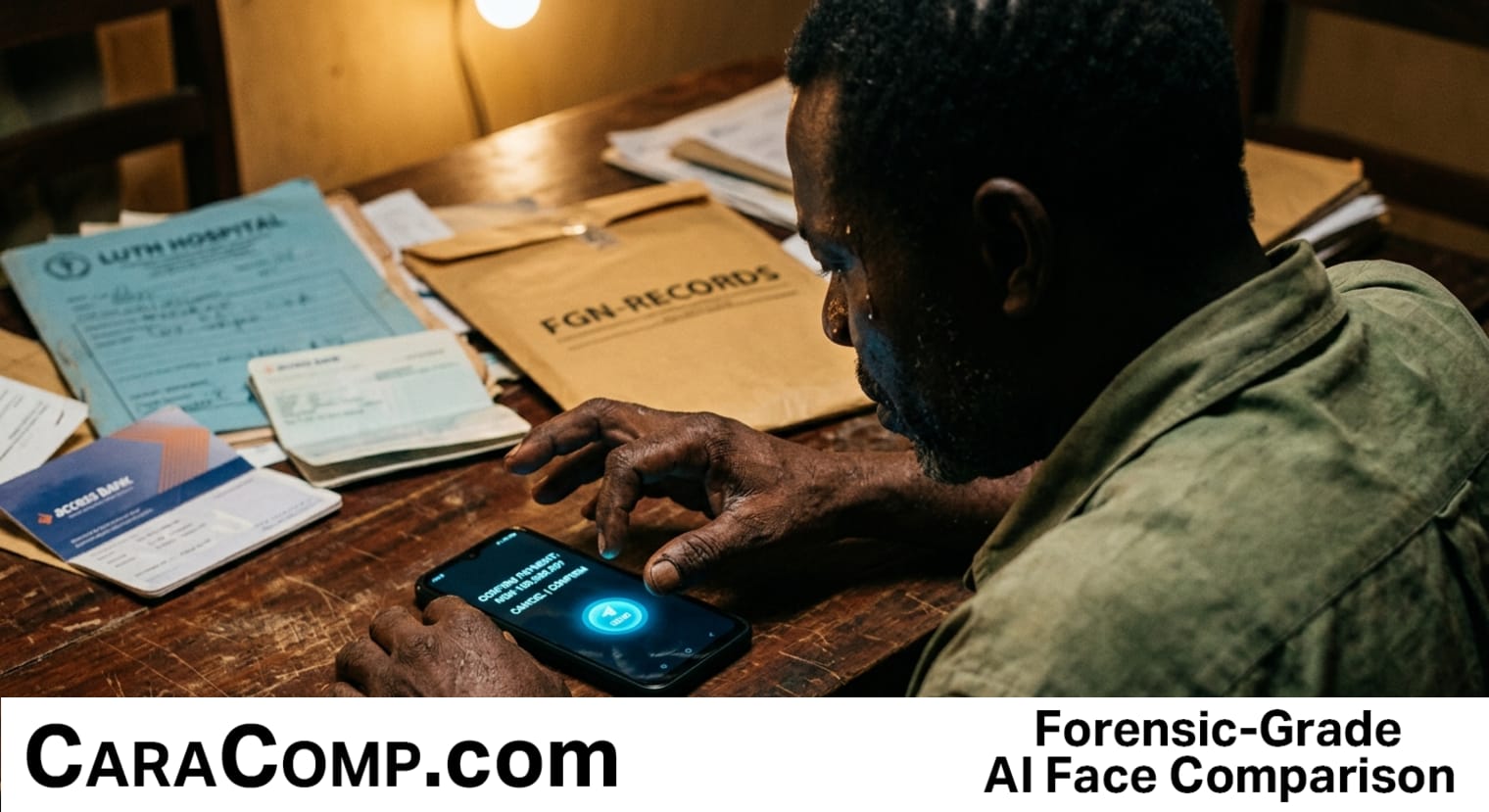
Nigeria is handing out a master key to 180 million people, and every investigator on the planet should be watching what happens when that key is duplicated.
The launch of a unified Government Service Portal—merging taxes, health records, and voting into one biometric-backed login—is the ultimate honeypot for identity fraud. For the solo private investigator or OSINT researcher, this represents a fundamental shift in the investigative landscape. When a single digital credential controls a person's entire legal and social existence, the incentive for sophisticated spoofing and identity takeover skyrockets. We aren't just looking at stolen passwords anymore; we’re looking at the systemic theft of a citizen's entire digital life.
For those of us in the field, this consolidation means manual verification methods are officially obsolete. If you are still spending hours manually comparing faces across case photos to confirm an identity, you are already behind the curve. In a world of unified digital identities, fraudsters move at the speed of an API. Investigators must move faster. This is why Euclidean distance analysis is no longer a luxury reserved for federal agencies—it is a baseline requirement for any professional handling insurance fraud, background checks, or missing persons cases.
The gap between enterprise-level tools and the average PI’s budget has historically been a chasm. While government agencies drop thousands on software, the solo investigator has been left with unreliable consumer search engines or grueling manual labor. But as digital identity becomes more centralized and dangerous, that gap has to close. At CaraComp, we bridge that exact divide, offering high-caliber facial comparison tech at 1/23rd the price of traditional enterprise contracts. It’s about giving the boots-on-the-ground professional the same caliber of technology as a federal agency without the six-figure price tag or complex contract.
- The Master Key Vulnerability: Consolidating biometrics and government services creates a "single point of failure" where one compromised account grants total access to a subject's life, requiring investigators to adopt much more rigorous verification standards.
- The Death of Manual Comparison: As digital IDs become more complex and fraud more frequent, investigators can no longer rely on subjective visual checks; they need court-ready, Euclidean distance-based reporting to survive cross-examination.
- Democratization of Tech: High-stakes investigations now require enterprise-grade comparison tools that are affordable enough for solo practitioners to use on every single case without blowing their margins.
Read the full article on CaraComp: One Password Now Unlocks Your Taxes, Health Records, and Vote. What Happens When It's Stolen?


Comments
Post a Comment