One Login Broke. 20 Million People Couldn't Access Their Own Money.
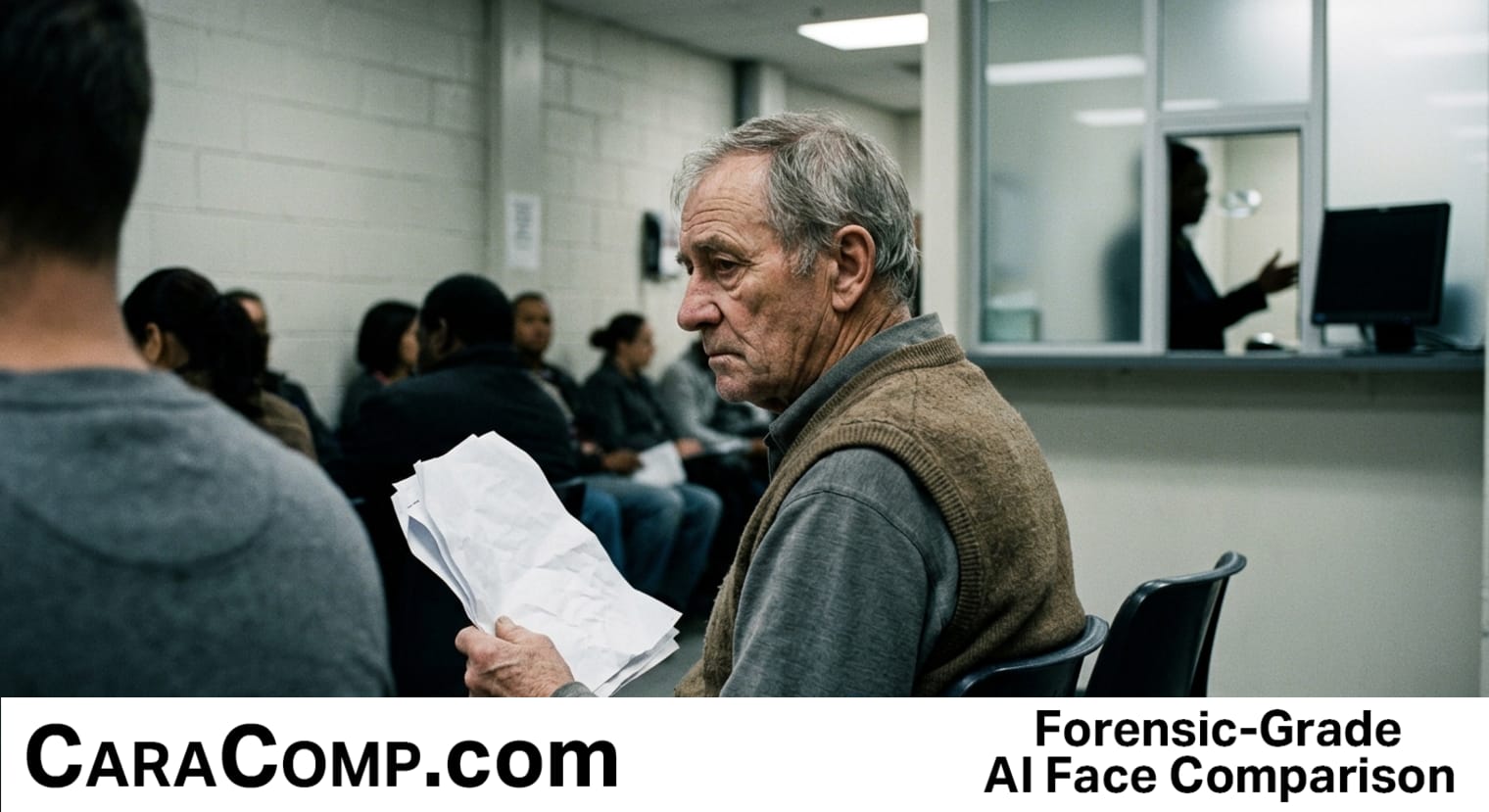
Your face is supposed to be your most secure credential, not a digital prison cell. Yet, for 20 million people in Nepal, a single technical failure in a centralized biometric database turned their own identities into a barrier. When the national ID system went dark, it didn’t just glitch—it effectively erased the ability of an entire population to access banking, passports, and tax services. This is the nightmare scenario of "single point of failure" architecture, and it’s a wake-up call for everyone in the investigative and security sectors.
As professionals who rely on facial comparison to close cases, we have to look past the headlines. This wasn't a failure of biometric technology itself, but a failure of centralized management. While governments chase "Big Brother" style mass-identification databases, they often lack the technical infrastructure to maintain them. For the private investigator or OSINT researcher, the lesson is clear: relying on massive, government-controlled or enterprise-exclusive systems is a massive liability. The industry is shifting away from these lumbering giants toward agile, localized tools that put the power of Euclidean distance analysis directly into the hands of the person working the case.
At CaraComp, we see this as a pivot point for investigative methodology. We don't need more centralized surveillance; we need better comparison tools. The difference is critical. Recognition is about scanning the masses—and as we saw in Nepal, it breaks under its own weight. Comparison is about the specific case sitting on your desk. It’s about taking two photos and using math to prove a match, regardless of whether a government server in Kathmandu or D.C. is having a bad day.
The key implications for the investigative community are staggering:
- Centralization is the enemy of reliability. When you rely on a single massive API or a government gatekeeper for identity verification, your entire investigation is one "server not found" error away from a total standstill.
- Comparison vs. Recognition is the new frontline. The future belongs to tools that analyze the geometry of the face (Euclidean distance) for specific case files, rather than tools that attempt to index the entire world.
- Professional-grade tech must be democratized. If 20 million people can be locked out of their lives by a single agency’s incompetence, investigators must maintain their own independent toolkits that don't require $2,000/year enterprise contracts to function.
The Nepal crisis proves that identity technology is only as good as its uptime. For the solo PI or the small firm, the goal shouldn't be to get access to these fragile, bloated systems. The goal is to own the tech that allows you to perform enterprise-grade analysis on your own terms, offline or online, without a single point of failure standing between you and the truth.
Read the full article on CaraComp: One Login Broke. 20 Million People Couldn't Access Their Own Money.


Comments
Post a Comment