"Old Enough?" App Cracked in 2 Minutes — Now They Want Your Whole ID
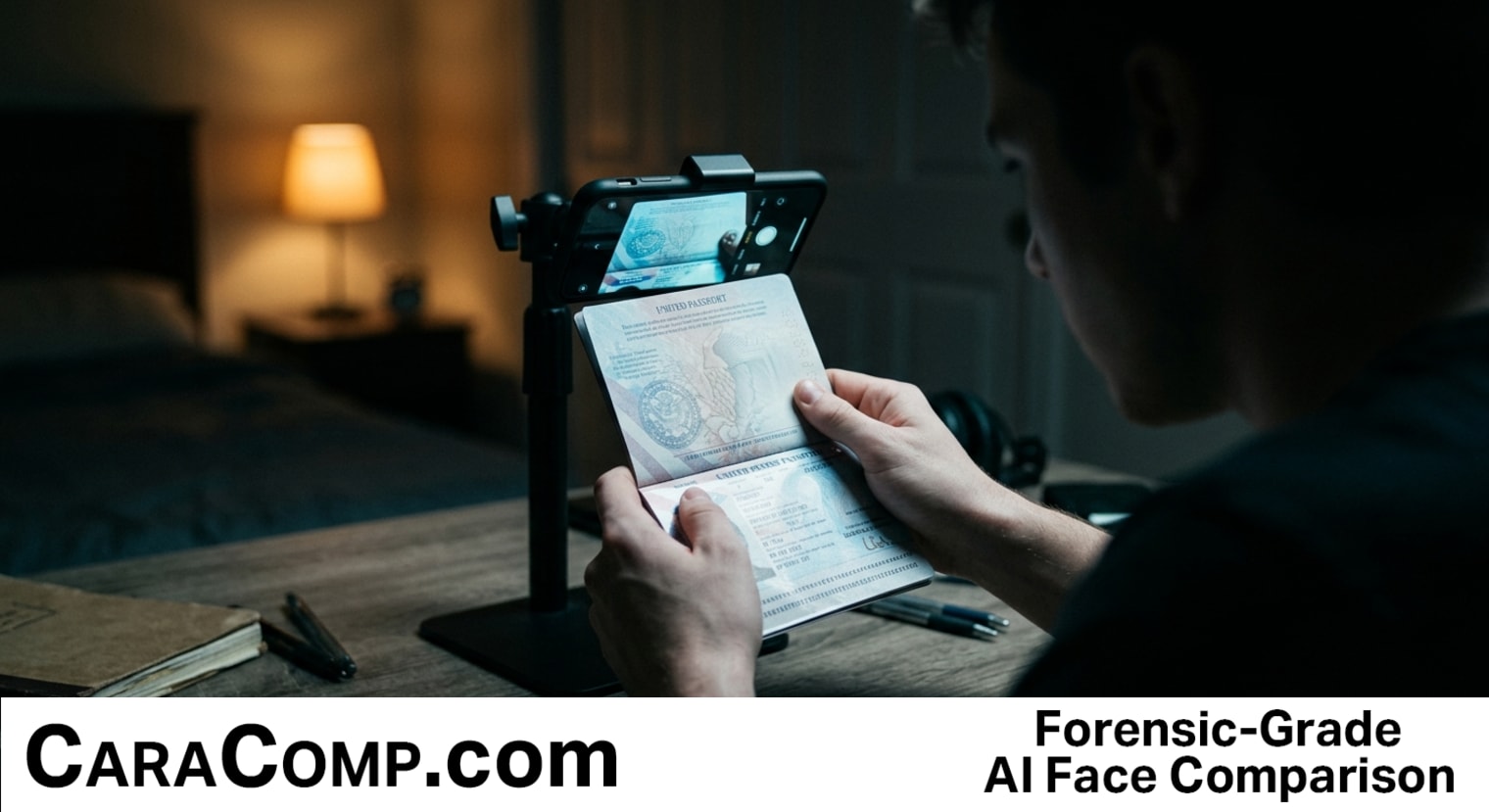
The EU spent millions on a "privacy-first" age-verification app that a security researcher dismantled in less time than it takes to brew a pot of coffee. By editing a single plain-text configuration file, the entire security protocol was bypassed, proving that "good enough" technology is a luxury professional investigators simply cannot afford. For those of us in the OSINT and private investigation fields, this isn't just another tech failure—it’s a warning shot about the gap between consumer-grade gimmicks and professional-grade forensic tools.
When an app designed to protect identity fails this spectacularly, it creates a "ratchet effect." Regulators, stung by the embarrassment of a two-minute hack, rarely pivot to better technology; instead, they demand more intrusive data. We are seeing a shift where the failure of "anonymous" checks becomes the justification for capturing your entire identity. For investigators, the lesson is clear: if you aren’t using tools built on rigorous Euclidean distance analysis and verifiable methodology, you are building your case on a foundation of sand.
At CaraComp, we see this dilemma constantly. Many solo investigators are still relying on manual comparisons or unreliable consumer search tools that lack court-ready reporting. They do this because they think enterprise-grade analysis is reserved for federal agencies with six-figure budgets. But as the EU hack proves, relying on unverified or "lite" versions of biometric tech is a liability. You need the same caliber of analysis used in high-stakes environments, but without the enterprise price tag or the surveillance-heavy baggage of crowd-scanning tools.
- The Reliability Crisis: Consumer-grade tools and "privacy" apps often prioritize a smooth UI over structural integrity. In a professional investigation, a false positive or an easily bypassed check doesn't just lose a lead—it destroys your credibility in court.
- The Data Trap: Failed attempts at "minimum data" collection often lead to "maximum surveillance" mandates. Investigators must adopt comparison tools that focus on specific case photos rather than contributing to massive, centralized identity databases.
The "Old Enough?" failure demonstrates that true facial comparison requires more than a simple "pass/fail" algorithm. It requires precision that can withstand scrutiny. If a researcher can crack a government-backed app in two minutes, imagine how quickly a defense attorney could dismantle a report based on a 2.4/5 rated consumer search tool.
Read the full article on CaraComp: "Old Enough?" App Cracked in 2 Minutes — Now They Want Your Whole ID


Comments
Post a Comment