MIT Just Wired 500 AI Cameras That Read Your Kid's Face From 35 Feet
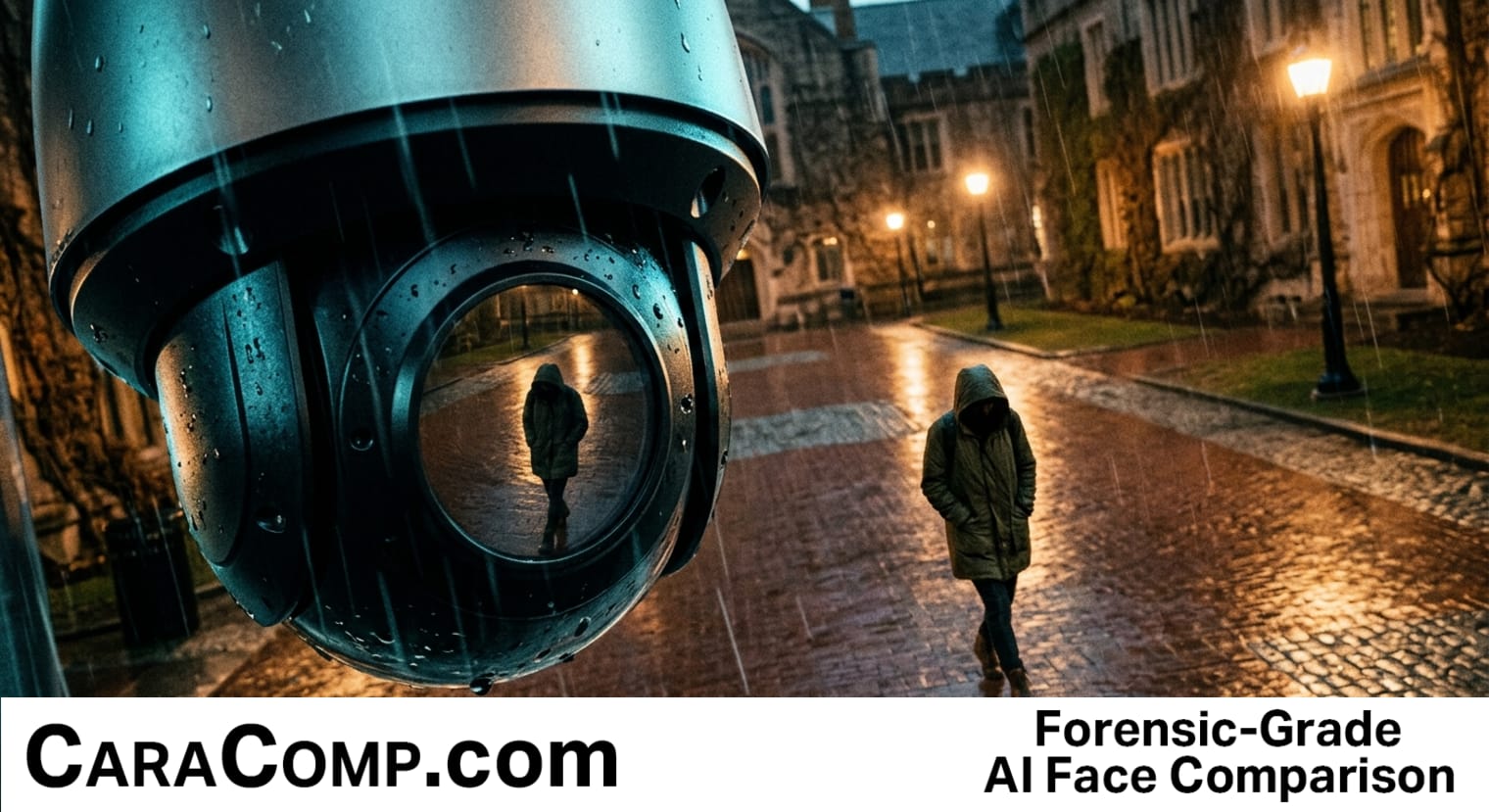
MIT just dropped $3 million to turn its campus into a biometric testing ground, proving once again that the biggest institutions in tech still don't understand the fundamental difference between mass surveillance and professional investigation. By installing 500 AI-powered cameras capable of reading a face from 35 feet away, the university is blurring the lines between safety and overreach, and they’re doing it without a clear policy on how that data is actually analyzed.
For those of us in the investigative field, this news is a double-edged sword. On one hand, it validates the incredible power of modern biometrics. On the other, it highlights a dangerous trend: the "black box" approach to facial tech. MIT’s system is designed for recognition—scanning crowds and flagging movement—which is worlds apart from the precise facial comparison methods used by professional investigators. While the university focuses on wide-net monitoring, the real challenge for OSINT professionals and private investigators remains the same: how to take two specific images and prove, with mathematical certainty, that they are the same person.
The gap here isn't just about ethics; it's about the tools. Most investigators are still stuck choosing between unreliable consumer search engines and enterprise contracts that cost more than a new car. You don't need a $3 million campus-wide grid to perform elite-level analysis. You need Euclidean distance analysis—the same math used by federal agencies—delivered in a way that’s affordable for a solo PI. The future of this industry isn't about watching everyone at all times; it’s about having the tech to close specific cases faster with court-ready results.
- The "Surveillance vs. Comparison" distinction is the next legal battleground. Institutions are deploying recognition systems (scanning crowds) while investigators require comparison tools (analyzing specific photos). Mixing the two leads to the exact privacy "mission creep" students are currently protesting.
- The high cost of entry for enterprise-grade biometrics is finally collapsing. You no longer need a university budget or a federal contract to access high-accuracy analysis that outperforms manual comparison.
- Court-admissible reporting is becoming the standard. As AI becomes more prevalent, "I think it's him" won't hold up. Investigators need professional-grade reports that quantify similarities through objective metrics.
If you’re still spending three hours manually squinting at low-res photos to find a match, you’re already behind the curve. The tech exists to do it in seconds, and it doesn't require a $3 million investment or a PhD from MIT to master.
Read the full article on CaraComp: MIT Just Wired 500 AI Cameras That Read Your Kid's Face From 35 Feet


Comments
Post a Comment