How to Spot a Deepfake: 1 School Photo Is All It Takes
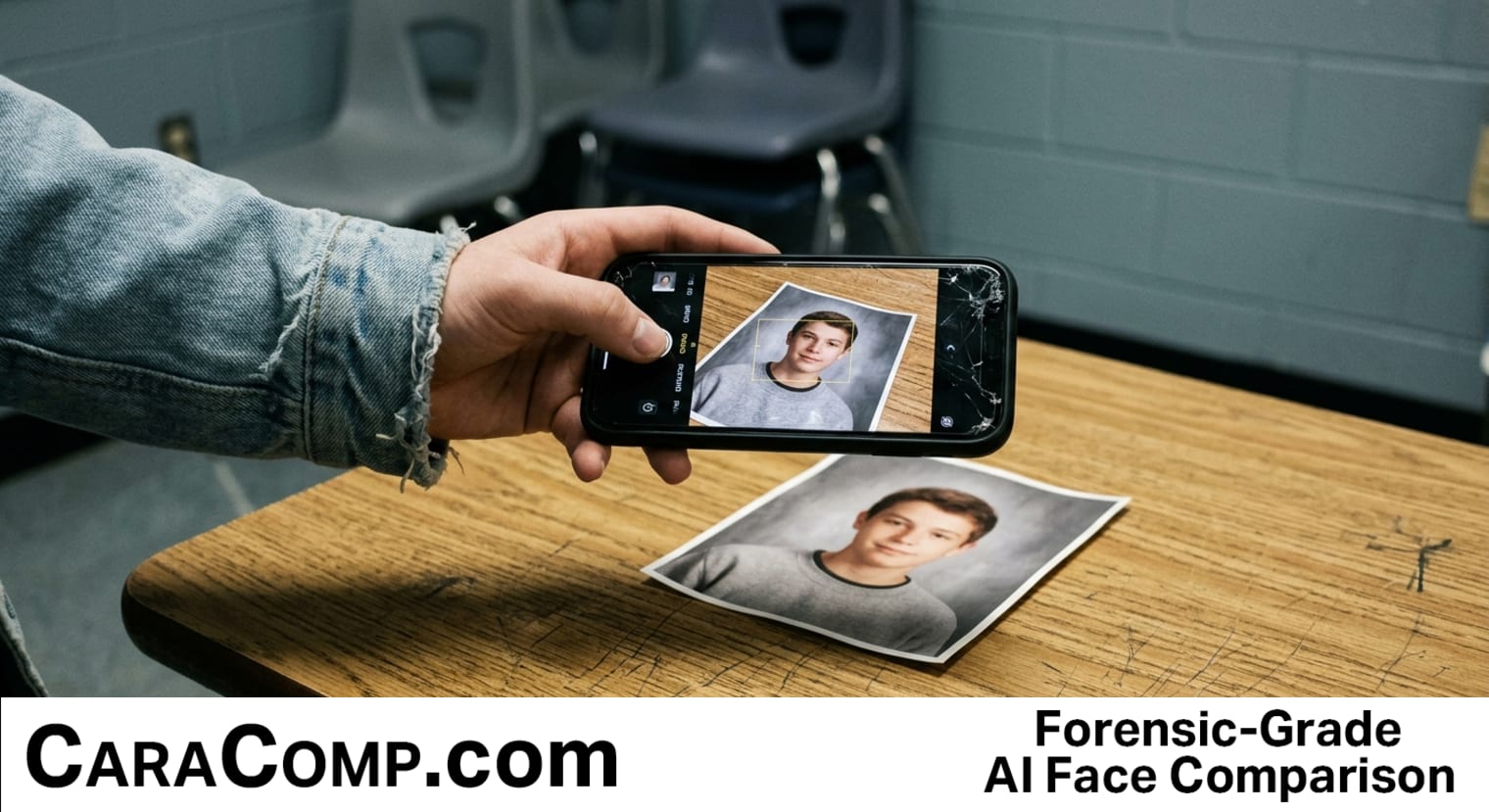
A single yearbook portrait is now enough raw material to fabricate devastating synthetic imagery before first-period algebra begins. We have crossed a dangerous threshold where deepfake generation no longer requires high-end rendering rigs or extensive data scrapers—just one publicly accessible school photo and an off-the-shelf mobile app. For private investigators, digital forensics experts, and institutions, the traditional visual "sniff test" is officially obsolete.
The explosive rise in non-consensual AI-generated media exposes a massive structural blind spot in modern case analysis. As consumer generative apps rapidly correct telltale artifacts—smoothing edge blending around hair, correcting ear geometry, and matching complex lighting—relying on human eyesight to determine photo authenticity has become a massive liability. Eyeballing anomalies across contested case files leaves investigators vulnerable to false conclusions when reputations and legal liabilities are on the line.
This crisis underscores why modern investigation technology must pivot to mathematically verifiable analysis. Subjective observation cannot compete with machine-generated manipulation. By deploying precise facial comparison methodology—measuring facial landmarks and structural geometry via Euclidean distance analysis against verified baseline imagery—investigators can objectively demonstrate whether an image has been synthesized, manipulated, or mapped from an authentic source photo. When digital fabrications can be generated in seconds, investigators cannot afford to spend hours manually squinting at pixels or relying on guesswork.
As synthetic content floods digital channels, several key realities are reshaping the investigative landscape:
- Visual intuition cannot replace biometric verification: Modern generative algorithms have eliminated traditional visual tells. Defensible case analysis requires objective, mathematical facial comparison to establish evidence integrity.
- Forensic verification must happen immediately: Downstream takedown laws do nothing to halt real-time circulation. Investigators need rapid, court-ready reporting tools to authenticate or debunk manipulated media the moment a case lands on their desk.
- Structured comparison protocols are mandatory: Institutions and investigators must establish repeatable, standardized workflows that evaluate source data against suspect images rather than treating digital files as self-authenticating evidence.
Read the full article on CaraComp: How to Spot a Deepfake: 1 School Photo Is All It Takes


Comments
Post a Comment