His Face Sold Them a Sure Thing. It Cost Them R1 Billion — and He Never Said a Word.
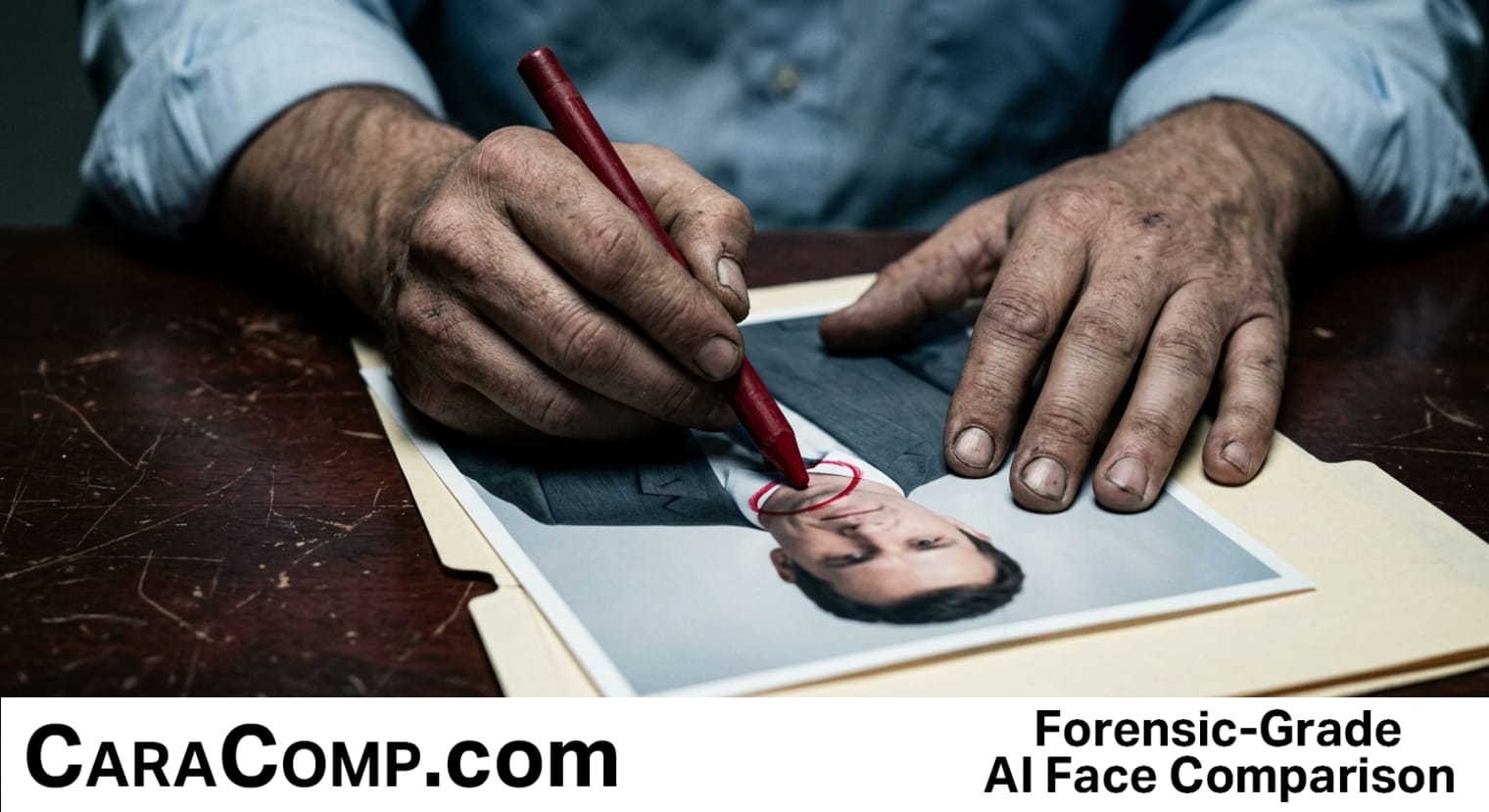
A single synthetic video campaign just drained R1 billion from investors without a single network being hacked. When AI-generated footage impersonating high-profile billionaires can systematically bypass human skepticism at an industrial scale, the traditional investigative standard of trusting what you see is officially dead.
South Africa’s financial regulator sent shockwaves through the industry with a R2 billion fine and 30-year director bans after deepfake ads featuring Johann Rupert and Elon Musk funneled victims into massive investment schemes. But regulatory enforcement is always retrospective; the capital was drained long before the penalties arrived. For private investigators, insurance fraud specialists, and OSINT researchers, this case represents a definitive tipping point. Manual photo comparisons and subjective eyeball reviews are no longer just inefficient—they expose your entire investigation to catastrophic error.
When synthetic media can replicate facial geometry convincingly enough to deceive millions, modern case analysis demands scientific validation. Here is what this shift means for the investigative profession:
- Subjective visual analysis is no longer defensible: Human perception is hardwired to fall for authority bias. Building credible case files now requires objective facial comparison powered by mathematical Euclidean distance analysis to evaluate suspect frames against verified reference images.
- Regulatory response is too slow for synthetic speed: Government agencies took months to intervene after thousands of victims were compromised. Solo practitioners and small firms need fast, direct investigation technology to batch-verify visual assets in seconds, not hours.
- Litigation requires court-ready biometric proof: As synthetic fraud cases head to trial, subjective witness opinions will quickly collapse under cross-examination. Investigators must back their findings with documented, professional comparison reports that establish definitive mathematical measurements.
Investigators who still rely on manual photo analysis or consumer-grade apps are running high-stakes cases with one hand tied behind their backs. Upgrading to precise, reliable facial comparison is no longer an optional luxury—it is the modern benchmark for closing cases with speed and authority.
Read the full article on CaraComp: His Face Sold Them a Sure Thing. It Cost Them R1 Billion — and He Never Said a Word.


Comments
Post a Comment