Deepfake Scams: One Fake Video Call Cost Her $287,000
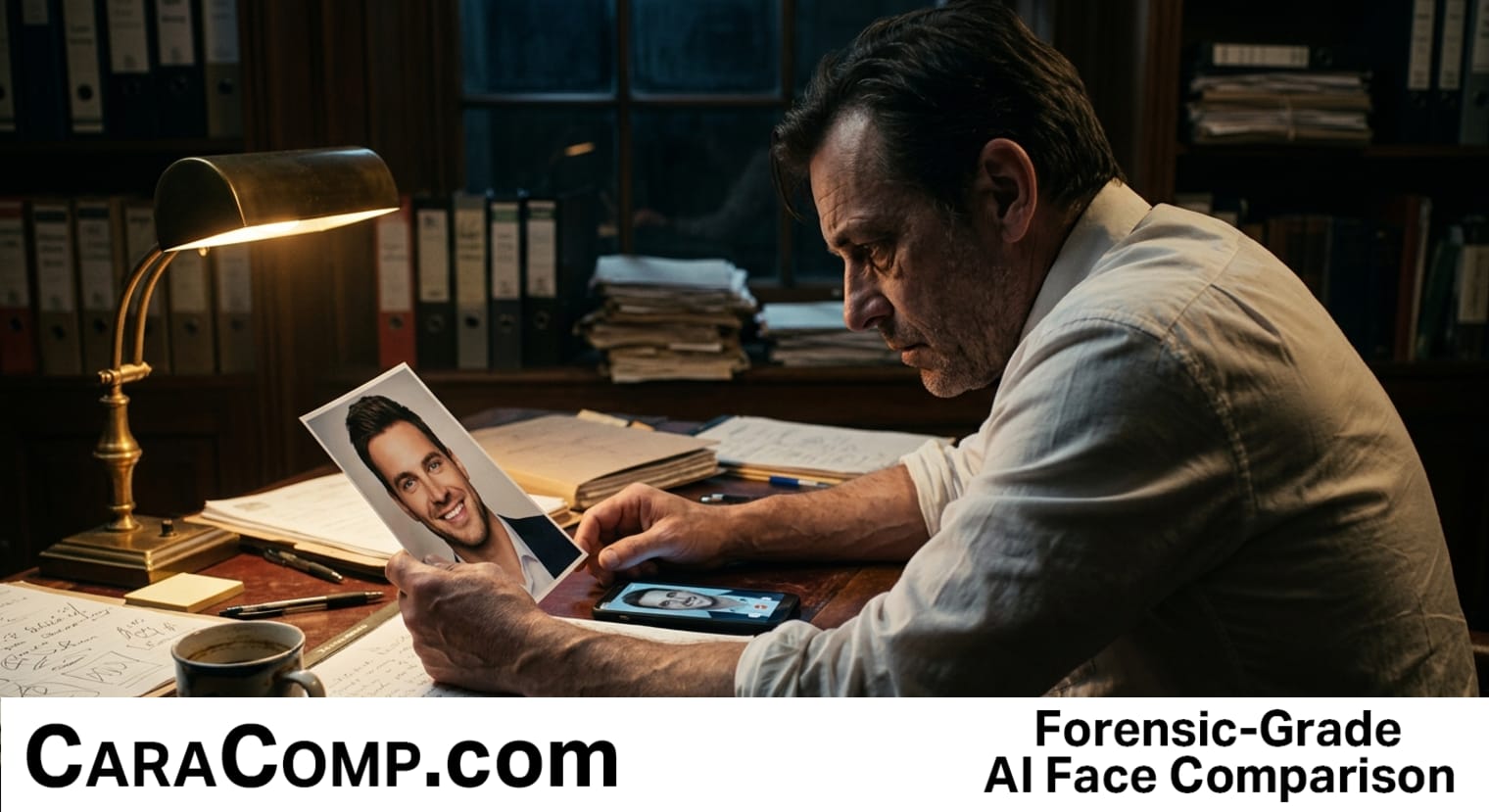
The classic reverse image search is officially obsolete for modern fraud investigations. When a California victim recently lost $287,000 to a synthetic video caller, she was not duped by a stolen stock headshot. She was targeted by a bespoke, AI-generated persona built pixel-by-pixel—a digital ghost that never existed on the public web before the call was initiated.
With annual global losses tied to deepfake-enabled scams skyrocketing past $1.1 billion, digital deception has shifted from mass-phishing schemes to hyper-targeted, precision fraud. Bad actors now generate responsive synthetic faces capable of matching conversational cadence, eye contact, and emotional cues in real time. For private investigators, insurance fraud specialists, and OSINT analysts, this marks a dangerous operational turning point: relying on manual visual observation to assess subject authenticity is no longer viable.
When an engineered profile has no prior online history, traditional search databases return zero hits. The only defensible method to authenticate evidence, trace inconsistencies across video frames, and prove identity fraud is objective investigation technology. By applying mathematical facial comparison and Euclidean distance analysis directly to captured case photos and video stills, investigators can cut through synthetic noise and evaluate structural facial landmarks with scientific precision.
- Visual verification is dead: The human eye can no longer reliably detect live-rendered synthetic video on standard digital displays, making unassisted visual analysis a major liability.
- Public web indexing fails against generated faces: Because synthetic identities possess zero digital history, case analysis must focus on structural 1-to-1 and batch facial comparison across available case files.
- Forensic precision is required in court: Successfully exposing high-dollar fraud requires verifiable, metric-driven reporting rather than subjective investigator opinion.
The battleground between synthetic identity creation and professional fraud investigation is widening fast. Practitioners who incorporate objective facial comparison into their routine workflow will continue to close complex cases; those who rely on outdated manual checks will be left chasing digital phantoms.
Read the full article on CaraComp: Deepfake Scams: One Fake Video Call Cost Her $287,000


Comments
Post a Comment