Bots Are Paying Strangers to Make Fake Nudes of Your Kid's School Photo
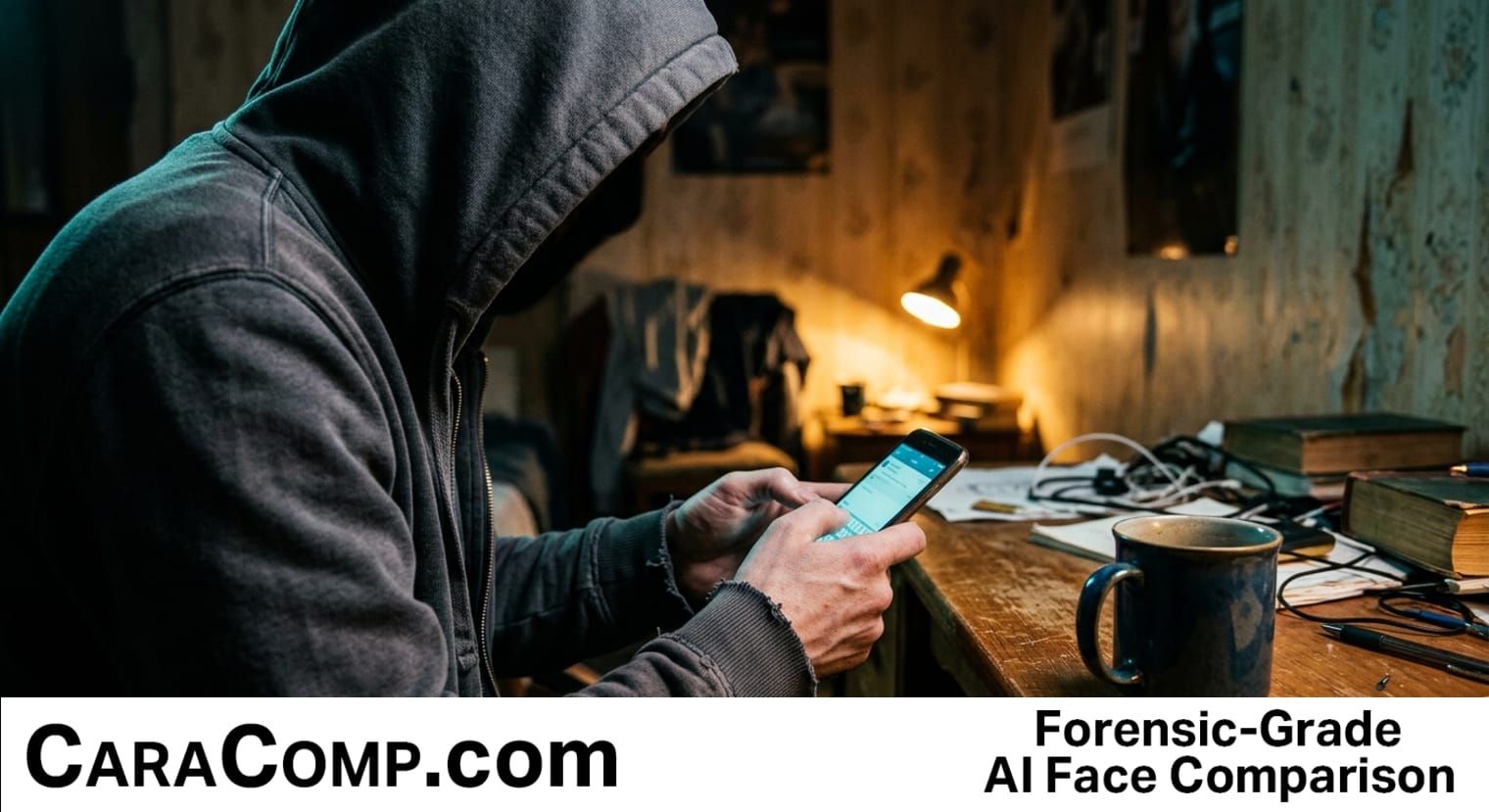
Someone engineered a loyalty rewards program where the prize is generating synthetic abuse imagery from ordinary school and social media portraits. Automated bots across messaging networks are actively rewarding users with referral credits, premium tiers, and cloneable distribution tools to mass-produce non-consensual deepfakes. This is no longer isolated fringe behavior; it is an industrialized, gamified pipeline designed to turn everyday facial photographs into instruments of extortion.
For private investigators, OSINT specialists, and forensic analysts, this development changes the stakes of modern case analysis. When synthetic media can be spun up in seconds through automated referral loops, relying on manual visual inspection to verify identities or validate digital evidence is a liability. The human eye cannot reliably separate structural biometric truth from algorithmic manipulation when reviewing complex digital assets.
Defending clients against extortion or establishing evidentiary ground truth requires moving beyond subjective guesswork. The industry must lean into rigorous facial comparison technology—anchored in verifiable Euclidean distance analysis—to evaluate spatial facial geometry against authentic source material. The battle against weaponized synthetic media is won with measurable data, not intuition.
The operational implications for modern investigators are clear:
- Synthetic generation is an evidentiary crisis: As automated platforms lower the barrier to generating convincing fakes, investigators need objective facial comparison workflows to separate authentic evidence from fabricated assets with mathematical precision.
- Blackmail and identity manipulation cases are surging: Gamified bot networks are driving a massive wave of digital extortion, requiring solo practitioners and boutique firms to handle high-volume photo verification rapidly.
- Court-admissible documentation is mandatory: Speculation about manipulated media will not hold up in legal proceedings; investigators require standardized, defensible reporting that demonstrates whether facial geometry matches verified reference files.
As bad actors scale up automated generation, investigative professionals must adopt the exact analytical tools required to dismantle false claims and protect client reputations.
Read the full article on CaraComp: Bots Are Paying Strangers to Make Fake Nudes of Your Kid's School Photo


Comments
Post a Comment