Biometric Verification: Why India Killed Its Face Database
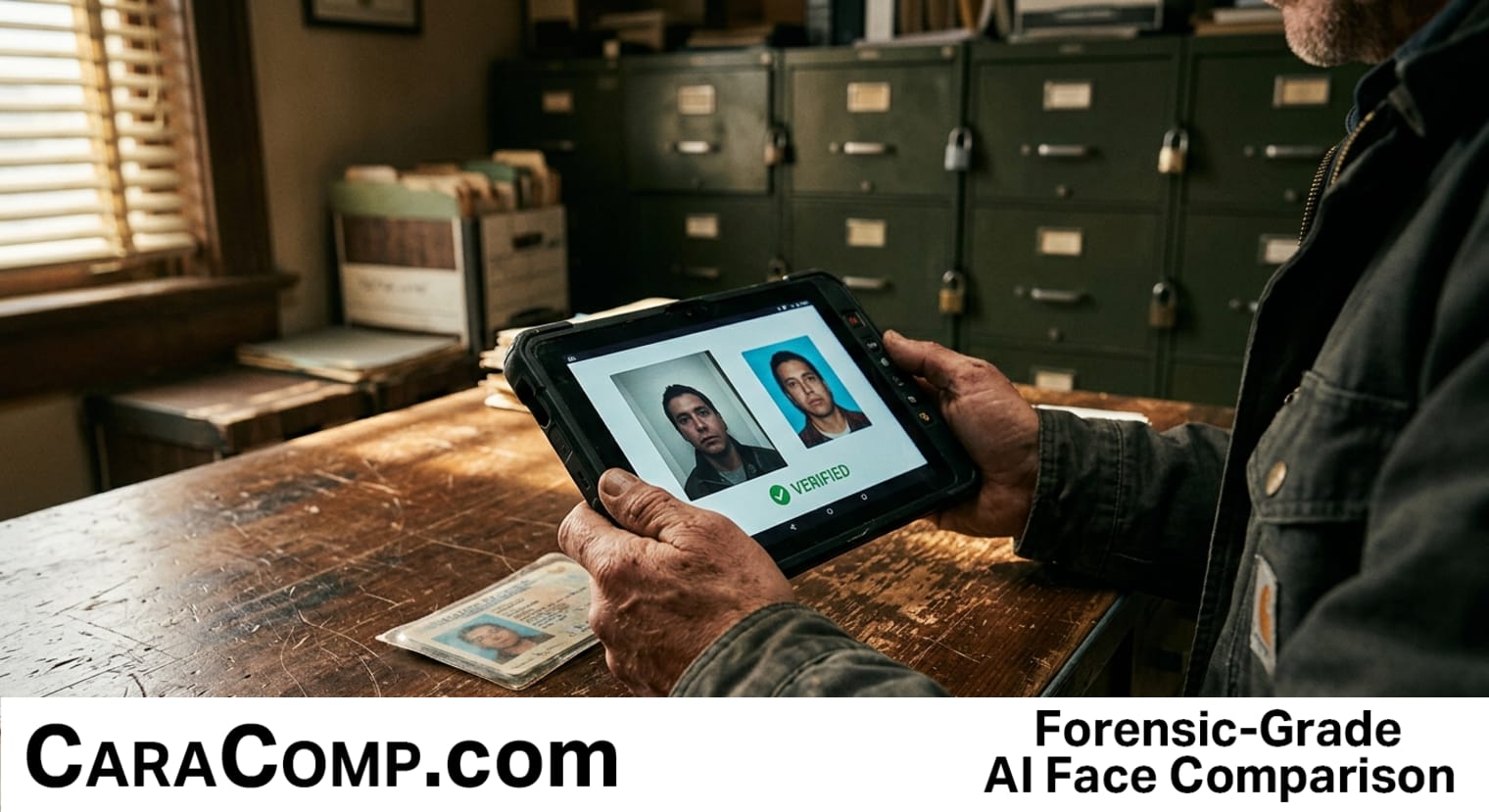
India just drew a definitive line in the sand that every private investigator, fraud specialist, and biometrics professional needs to examine closely: regulators officially scrapped a sweeping plan to pool telecom biometric records into a single shared database, yet kept individual biometric verification checks strictly mandatory.
To outside observers, killing the database while mandating the face check looks like bureaucratic contradiction. To industry insiders, it represents a watershed policy decision that confirms what forward-looking analysts have known all along: the operational risk is never the mathematical comparison itself—it is the centralized pooling of personal data.
The underlying math of Euclidean distance analysis—mapping facial geometry to compare two photos side by side—remains the gold standard for reliable identity confirmation. What alarmed security analysts was the prospect of cross-referencing hundreds of millions of permanent records across unrelated third parties. By shutting down the centralized repository, India validated targeted, purpose-built case analysis while rejecting uncontrolled data aggregation.
This policy shift signals a massive turning point for modern investigation technology and identity workflows:
- Architecture dictates risk over algorithm accuracy: Verifying a subject against a specific case photo or ID document delivers immediate evidentiary value without the severe liability of maintaining centralized honeypots.
- Decentralized comparison is the future of investigation: Professional investigators do not require bloated government-style data lakes; they require fast, accurate 1-to-1 facial comparison that keeps case files contained and client data secure.
- Regulatory scrutiny will penalize data hoarding: Legal frameworks worldwide are rapidly targeting platforms that store, cross-reference, and retain query histories, giving a sharp advantage to closed-loop, transaction-based comparison workflows.
The market is clearly rejecting permanent, sprawling databases in favor of precise, contained tools. For modern investigators handling complex fraud and OSINT files, the takeaway is clear: the most defensible, court-ready methodology isn't relying on massive data pools—it is executing precise, side-by-side facial comparison on your own case evidence.
Read the full article on CaraComp: Biometric Verification: Why India Killed Its Face Database


Comments
Post a Comment