Biometric Access: 250 Florida Agencies, One Contractor
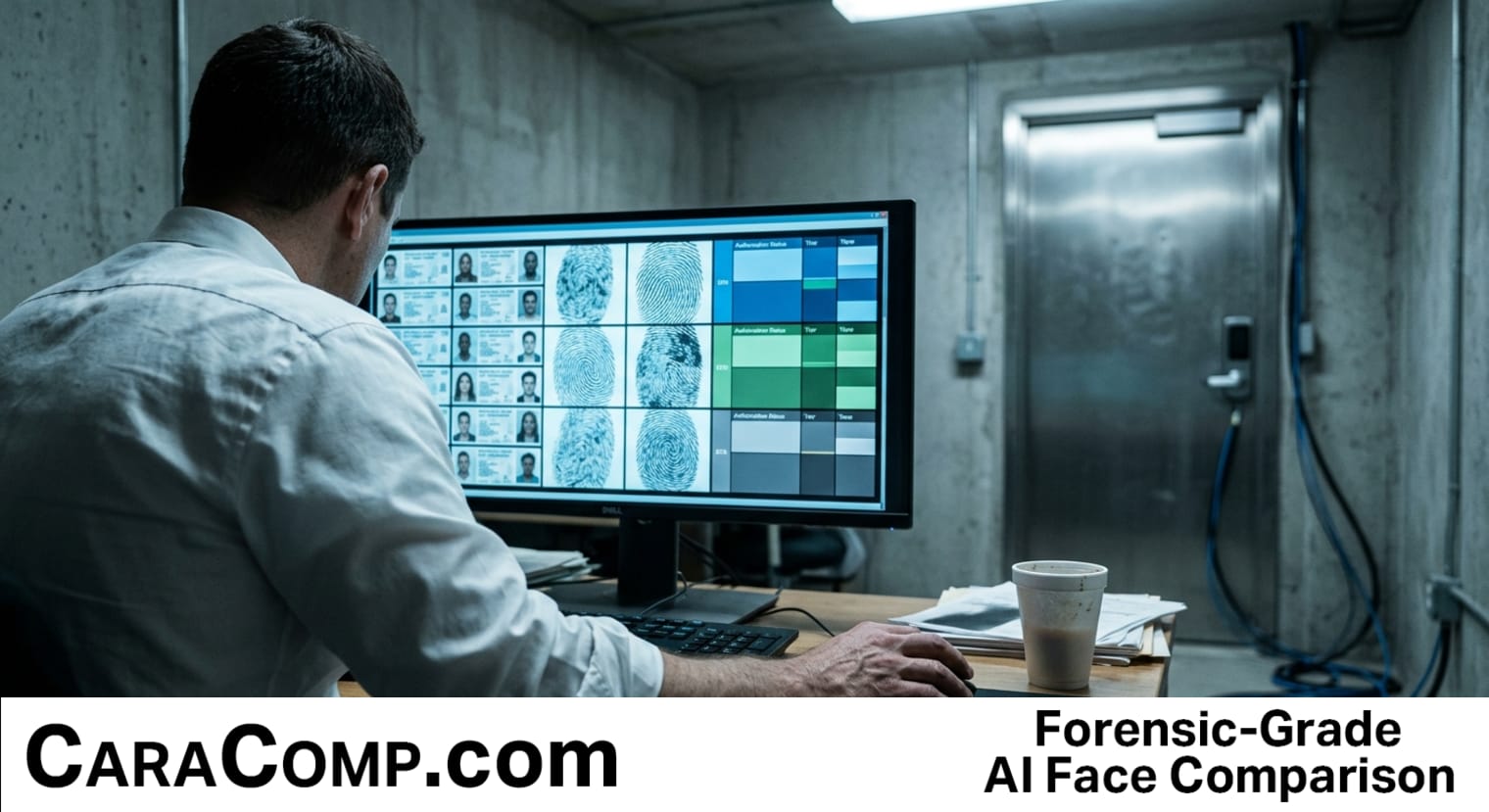
Florida just handed the operational keys of its biometric back office to a single private contractor, granting over 250 separate agencies access to a centralized system containing millions of fingerprint, palm, and facial records. With federal entities already able to search more than 641 million driver's license photos across dozens of states, this consolidation marks a critical shift in how biometrics are managed, accessed, and audited across modern investigative pipelines.
When hundreds of distinct agencies share a single back-end gateway, the conversation moves beyond matching accuracy to access governance. Most observers assume encryption is the primary benchmark of biometric security. It is not. Encryption protects data from outside intruders, but it does nothing to regulate internal credentials or record how authorized users handle sensitive identification data. If permission structures are loose or audit logging is inconsistent, the entire framework becomes vulnerable to administrative overreach.
For private investigators, OSINT specialists, and fraud analysts, this massive vendor deal exposes the growing divide between bloated government database systems and practical investigation technology. Real investigative work does not require sprawling biometric back offices or multi-million-dollar agency contracts. It demands precise, rigorous facial comparison—measuring Euclidean distance analysis across case photos to verify identity with transparent, court-admissible methodology.
Here are the key takeaways from Florida's centralized biometric contract:
- Governance matters more than encryption: The core vulnerability in multi-agency biometric systems is not the underlying matching algorithm, but whether every single search query generates an immutable audit log that proves who accessed the record and why.
- Targeted comparison beats centralized data sprawl: Independent investigators achieve higher evidentiary standards by performing direct, side-by-side facial comparison on case evidence rather than relying on sprawling third-party infrastructure.
- Enterprise capability must become accessible: While states invest fortunes into complex contractor ecosystems, modern investigative teams need streamlined tools that provide the exact same mathematical precision without enterprise complexity or prohibitive cost.
Read the full article on CaraComp: Biometric Access: 250 Florida Agencies, One Contractor


Comments
Post a Comment