Behavioral Biometrics: Kansas County Stops 2 Home Thefts
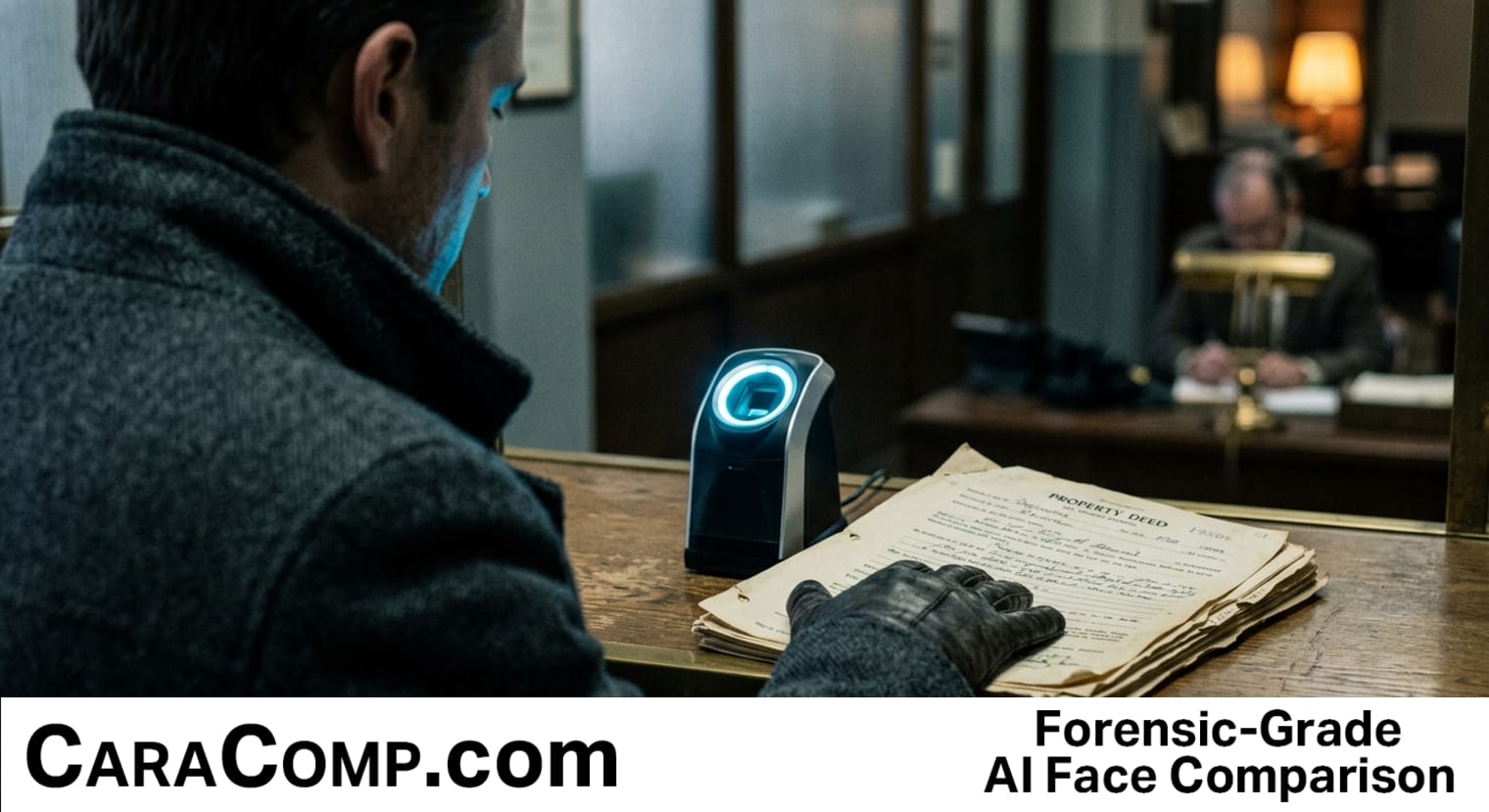
A criminal can legally steal a home without ever setting foot on the property, picking a lock, or speaking to the owner. All it takes is a forged signature and an antiquated county records system designed to check procedural formatting rather than actual human identity. When Leavenworth County, Kansas thwarted two separate property deed theft attempts in just ninety days using an opt-in biometric lien lock, it exposed a critical reality: our legal infrastructure is running on nineteenth-century paper verification against sophisticated identity fraudsters.
For decades, property theft remained an almost risk-free remote enterprise. A fraudster could manipulate public records from thousands of miles away, relying on the fact that clerks review document seals, not the individuals behind them. By introducing a mandatory face-matching checkpoint before deed modifications are processed, the county fundamentally altered the risk calculus. Fraudsters can no longer hide behind falsified paperwork when they are forced to produce an authentic biometric match.
For private investigators, insurance fraud analysts, and OSINT researchers, this milestone highlights several critical shifts in identity verification:
- Document authentication is no longer sufficient: Fraudsters easily exploit static paperwork and forged notary stamps. Real fraud prevention requires objective facial comparison that anchors legal transactions directly to verified human identity.
- Mathematical comparison outpaces visual guesswork: Relying on human intuition or outdated manual reviews leaves massive blind spots. Precise Euclidean distance analysis and live comparison algorithms turn invisible, silent fraud into immediate, actionable flags.
- Investigation methodology must adapt to proactive verification: The traditional posture of discovering title or identity fraud months after closing is untenable. Modern investigators need fast, reliable comparison tools to validate subjects and build court-ready evidence before the damage is permanent.
The success in Kansas demonstrates that identity integrity is not about passive observation—it is about rigorous, side-by-side comparison that leaves zero room for impostors. As identity manipulation becomes more accessible, reliable facial comparison technology has transitioned from an optional enterprise capability into standard investigative necessity.
Read the full article on CaraComp: Behavioral Biometrics: Kansas County Stops 2 Home Thefts


Comments
Post a Comment