AI Deepfake Images: 200+ Charges for Kids' Photographer
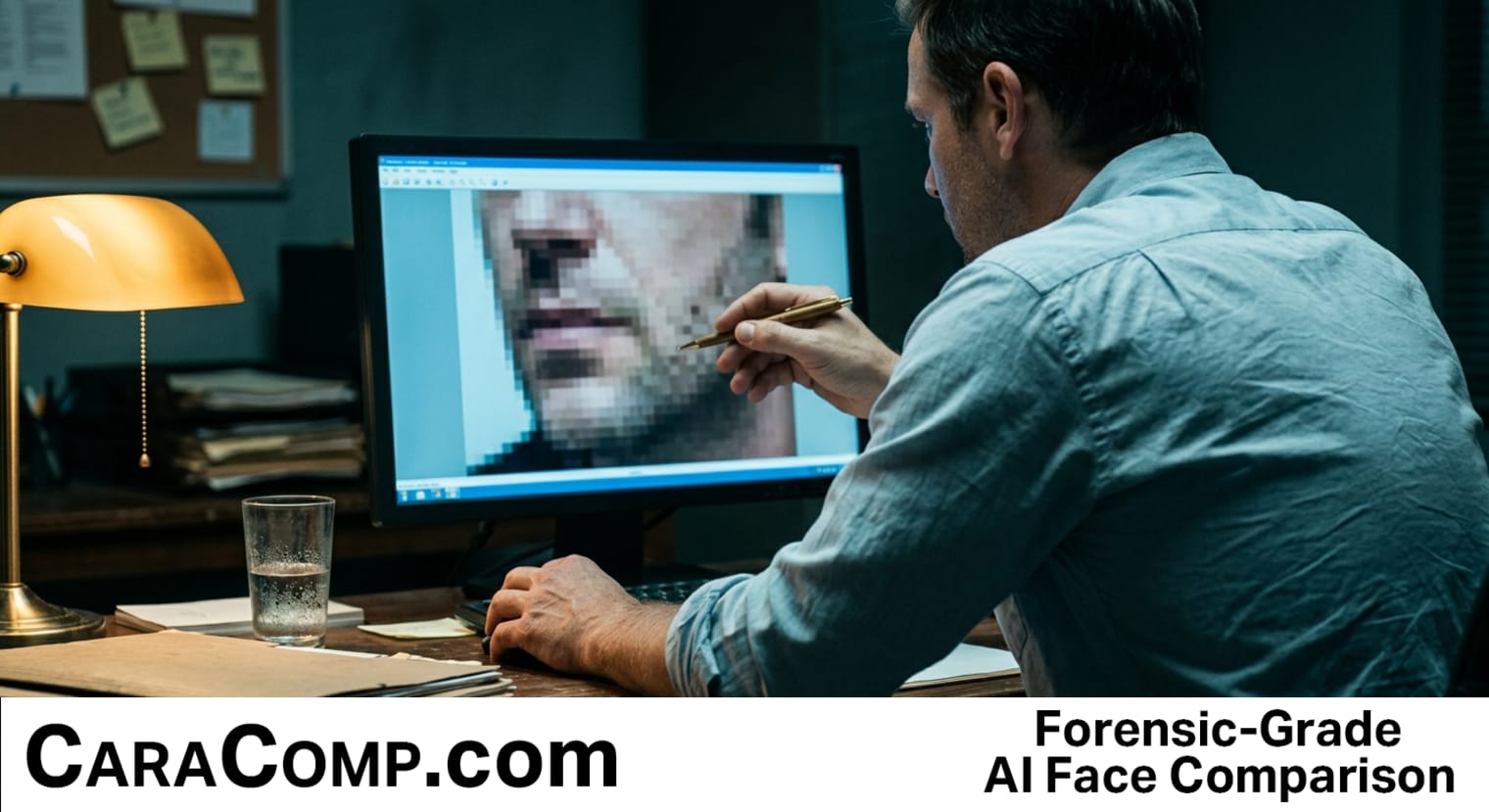
Over 200 criminal charges against an Arkansas family photographer have exposed the sharpest fracture yet in modern evidence management: lawful, high-resolution client portraits were allegedly fed directly into mainstream generative tools to manufacture synthetic visual abuse. The terrifying reality for the justice system is not just how accessible generative technology has become, but how utterly obsolete human perception is when trying to separate authentic source captures from manipulated biometric assets.
For private investigators, digital forensics experts, and law enforcement detectives, this case represents a permanent operational shift. The casual eyeball test is dead. When commercial AI engines can manipulate skin tone, facial contours, and background context while retaining core facial geometry, field investigators cannot rely on gut feeling or consumer web searches. Establishing whether an image represents a real capture, a synthetic composite, or an altered derivative requires objective, mathematical facial comparison that stands up under rigorous judicial cross-examination.
- Visual intuition is dead as an investigative standard: Generative models now clone subtle facial structures convincingly enough that manual observation cannot determine image provenance. True verification demands objective metric analysis across facial landmarks.
- Mathematical comparison separates seed images from synthetic iterations: Precision casework requires side-by-side Euclidean distance analysis to scientifically map suspect media against documented original source files.
- Prosecution hinges on court-ready documentation: Modern statutory charges require demonstrating exactly how altered content originated from authentic client files, making transparent reporting and chain-of-custody documentation essential.
As state legislation rapidly evolves to criminalize synthetic media exploitation, the burden lands squarely on investigators to substantiate claims with hard data rather than assumptions. The future of digital case analysis belongs to professionals equipped with precise, accessible facial comparison technology capable of cutting through synthetic deception and delivering verifiable truth to the courtroom.
Read the full article on CaraComp: AI Deepfake Images: 200+ Charges for Kids' Photographer


Comments
Post a Comment