A Computer Said His Face Matched. He Lost 17 Months of His Life.
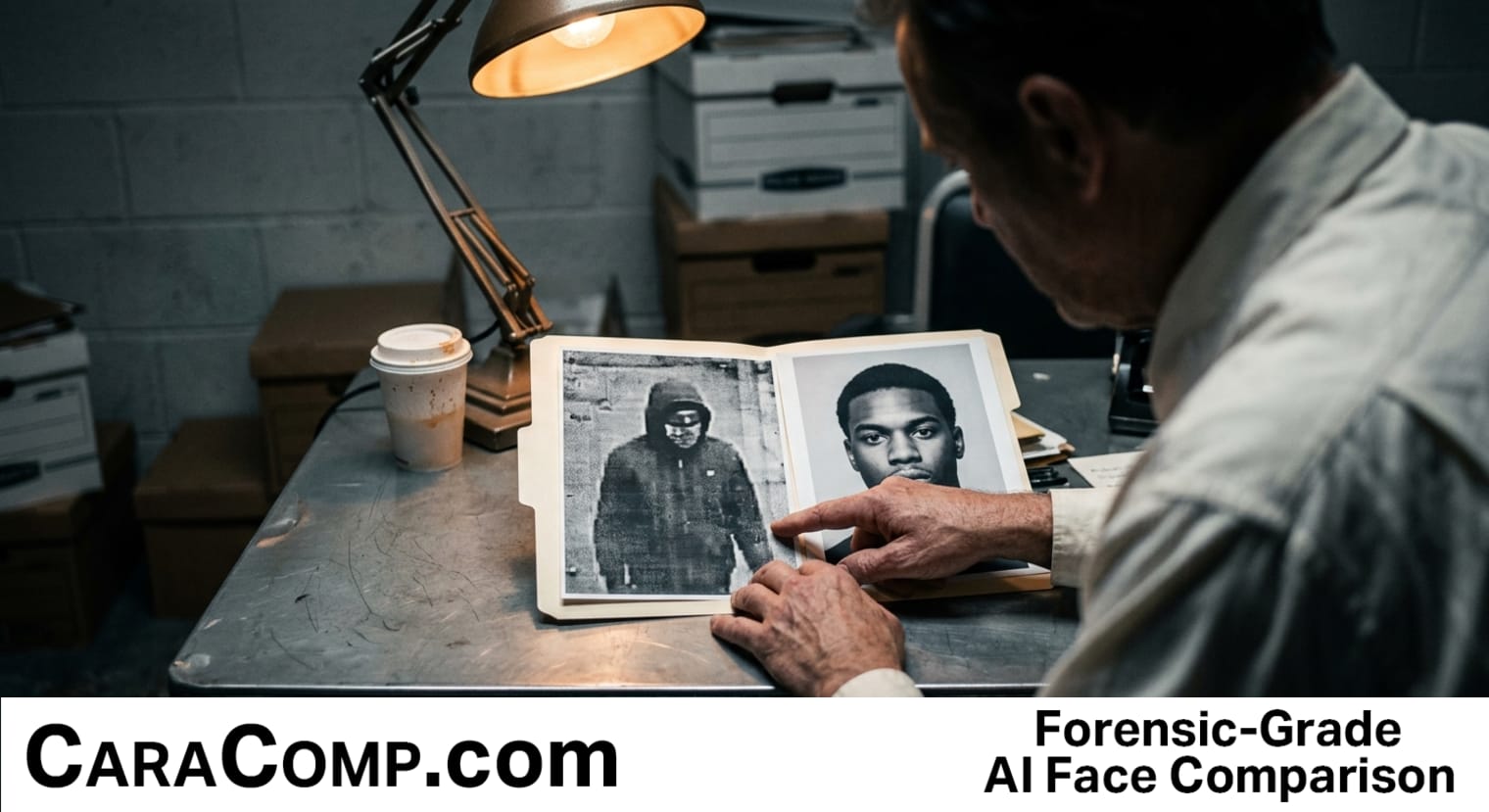
Seventeen months in a jail cell because an algorithm mistook a grainy, low-resolution photo for definitive truth. When a computer spits out a high confidence score, human investigators have a dangerous habit of turning off their critical thinking. That is the devastating reality behind the latest high-profile false arrest lawsuit in St. Louis, and it exposes an urgent fault line in how modern investigation technology is deployed.
The core issue is the catastrophic confusion between an automated lead and conclusive evidence. High-end automated systems boast low error rates on pristine, studio-lit mugshots, but the moment you feed them real-world, degraded footage, error rates surge dramatically. Yet, investigators repeatedly confuse mass automated matching with rigorous, verifiable case analysis.
Professional case work demands mathematical precision—specifically objective Euclidean distance analysis between verified case photos—not opaque algorithms making probabilistic leaps across massive databases. A similarity score is never a conviction; it is merely an analytical baseline that requires manual verification, transparent metrics, and court-ready documentation before any life-altering decision is made.
This landmark case sends three critical warnings to the investigative community:
- Confidence scores are starting points, not verdicts: A high percentage reflects mathematical proximity within a specific dataset, not absolute guilt. Sound investigative methodology requires independent corroborating evidence before taking action.
- Degraded imagery demands strict comparison standards: Bad lighting, poor angles, and occluded faces severely undermine algorithmic accuracy, making side-by-side facial comparison and verifiable measurement non-negotiable.
- Liability is shifting toward the tools and their operators: When investigators outsource critical judgment to black-box software without independent verification, agencies and practitioners face unprecedented legal and reputational fallout.
The industry must draw a firm line between automated guesswork and disciplined facial comparison. For private investigators, detectives, and fraud analysts, maintaining credibility means using reliable tools that provide transparent, repeatable measurements rather than relying on blind machine confidence.
Read the full article on CaraComp: A Computer Said His Face Matched. He Lost 17 Months of His Life.


Comments
Post a Comment