Your Friend's Doorbell Just Scanned Your Face — And You Can't Take It Back
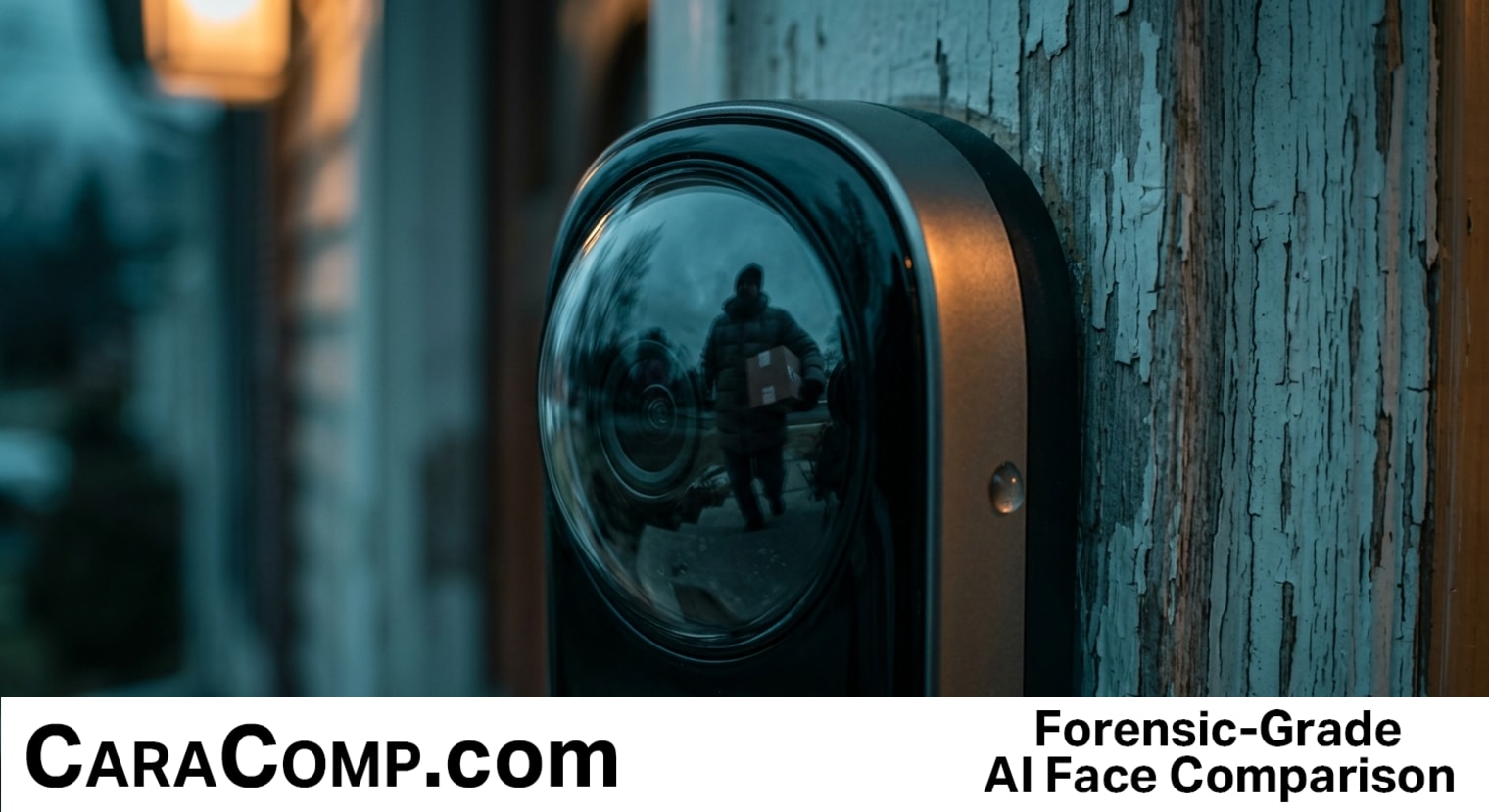
Your neighbor’s doorbell just turned into a legal landmine, and it is about to change how the public perceives every tool in your investigative arsenal. The massive class-action lawsuits currently hitting the headlines aren't just about "creepy" tech; they are a fundamental reckoning over "faceprints" being harvested from millions of people who never signed a consent form. While consumer tech giants scramble to defend their mass data collection, professional investigators are caught in the crossfire of a public that no longer knows who to trust.
As industry insiders, we have to be the adults in the room. There is a massive legal and ethical chasm between surveillance—scanning every random passerby to build a searchable database—and facial comparison—using specific, case-related photos to confirm an identity through Euclidean distance analysis. The doorbell lawsuits are targeting the former, but the fallout will affect anyone using biometrics to close cases. If you aren't clearly distinguishing your professional methodology from "Big Brother" style monitoring, your evidence is going to face a wall of skepticism in court.
The reality is that solo private investigators and OSINT professionals don't need a national database of delivery drivers. We need mathematical precision to prove that the person in a grainy surveillance clip is the same person in a social media profile. The problem with consumer-grade doorbell tech is that it prioritizes "convenience" over professional standards, leading to the exact type of "immutable biometric" theft that legislators are now salivating to regulate.
Key implications for the investigative community:
- The regulatory hammer will be broad and heavy. As courts define who "owns" a faceprint, expect new compliance hurdles for any tool that handles biometric data. Professionals must use software that focuses on side-by-side comparison rather than mass-scanning.
- Methodology is your best defense. Investigators need tools that provide court-ready, professional reporting. When a client or a judge asks how a match was made, "the AI said so" won't cut it—you need Euclidean distance data that stands up to scrutiny.
- Privacy backlash will drive clients toward vetted pros. As the public grows wary of automated scanning, they will seek out investigators who use surgical, case-specific tech rather than unreliable consumer search engines.
The doorbell era of "scan everyone and sort it out later" is dying. For the sharp investigator, this is an opportunity to lead with better tech and better ethics. Stop relying on tools that treat facial data like a free-for-all and start using comparison technology built for the bench, not the doorbell.
Read the full article on CaraComp: Your Friend's Doorbell Just Scanned Your Face — And You Can't Take It Back


Comments
Post a Comment